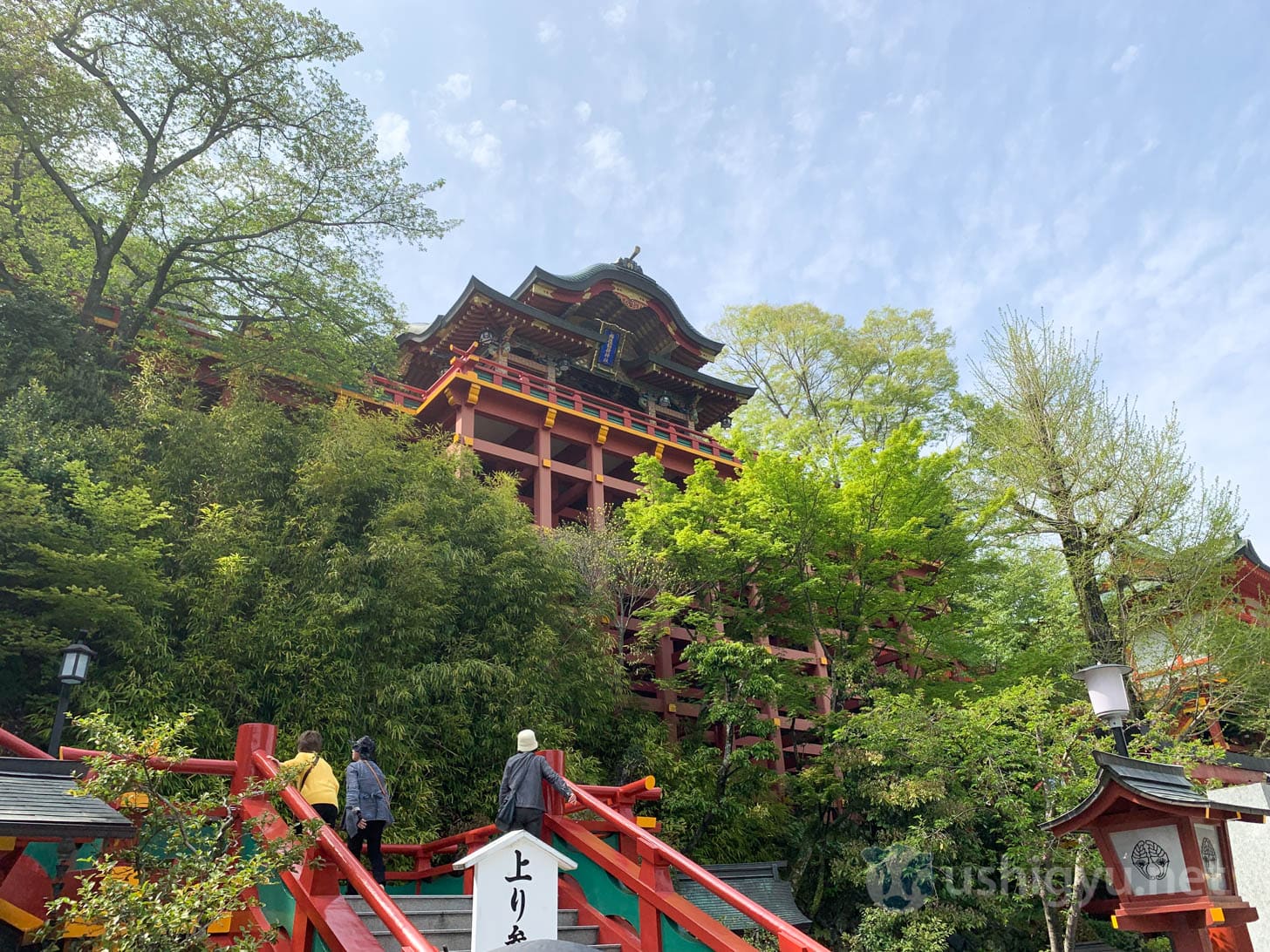
While planning a trip to Saga Prefecture, I decided to research tourist attractions near our accommodation. That’s when I stumbled upon Yutoku Inari Shrine (Yutoku Inari Jinja).
It’s one of Japan’s Three Great Inari Shrines, along with Fushimi Inari Taisha in Kyoto and Kasama Inari Shrine in Ibaraki. From the photos, it looked impressively grand.
Embarrassingly, despite being from Nagasaki and living in Fukuoka, this was the first time I’d heard of it. My apologies…
Counted as one of Japan’s Three Great Inari Shrines, it receives endless prayers for business prosperity, family fortune, abundant catches, traffic safety, and various other wishes, attracting about 3 million visitors annually. The main hall, kagura hall, tower gate, and other structures are all finished in lacquer with brilliant colors, creating a magnificent and splendid appearance known as the “Nikko of Western Japan,” adding a unique touch to the tourist route.
About Yutoku Inari Shrine | Yutoku Inari Shrine
The large red shrine buildings rising against the backdrop of green trees are truly fantastic—simply put, they’re incredibly cool.
The grounds include a Japanese garden, and when I visited, peonies were blooming beautifully. Across from the shrine is the Yutoku Museum, displaying excavated treasures and historical materials, surrounded by the beautiful flowers of Higashiyama Park.
I couldn’t help thinking that people in Saga should promote this shrine more! Though it’s worth noting that it already ranks second in Kyushu for visitor numbers, so perhaps I was just the one who didn’t know about it.
Yutoku Inari Shrine: Red Main Hall Against Green Trees
Upon arrival, I was amazed by its scale beyond imagination. I had no idea Yutoku Inari Shrine was such a magnificent shrine!
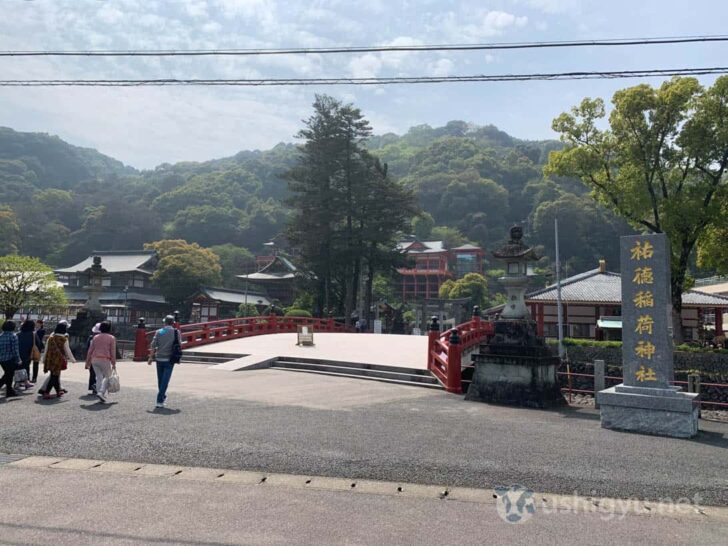
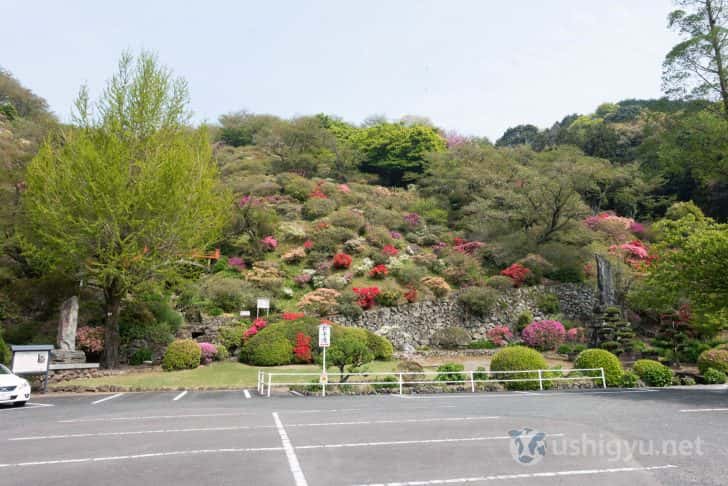
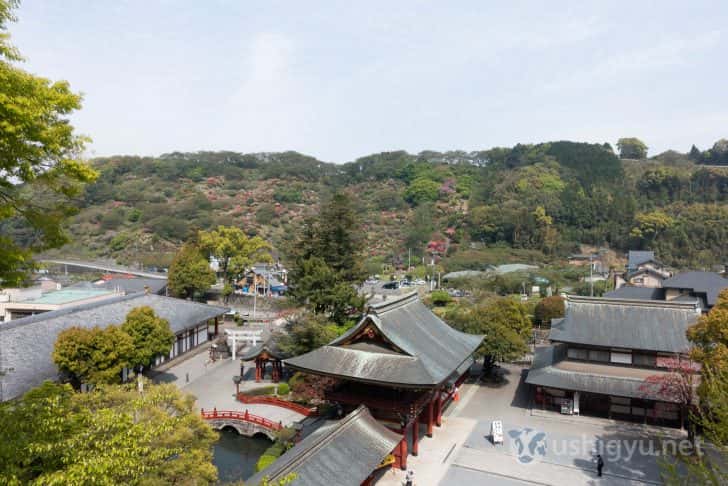
Across from the shrine, next to the parking lot, is Higashiyama Park with blooming azaleas.
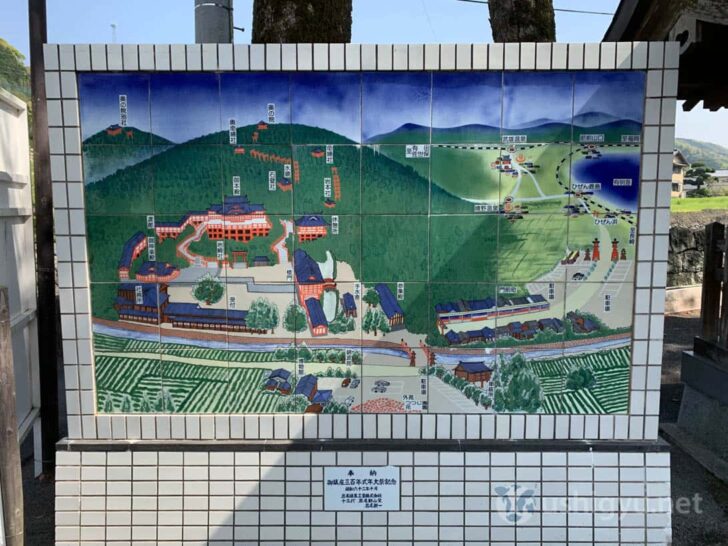
Like Fushimi Inari, it has expansive grounds extending not just around the main hall but all the way to the inner shrine near the mountain peak.
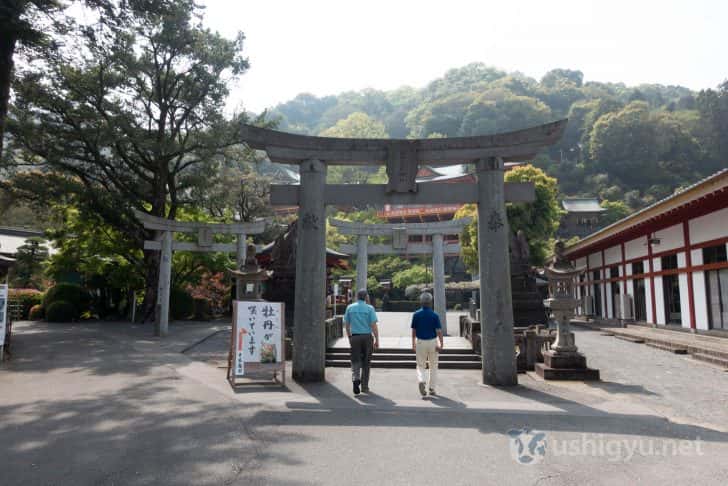
We passed through the stone torii gate and proceeded deeper into the grounds.
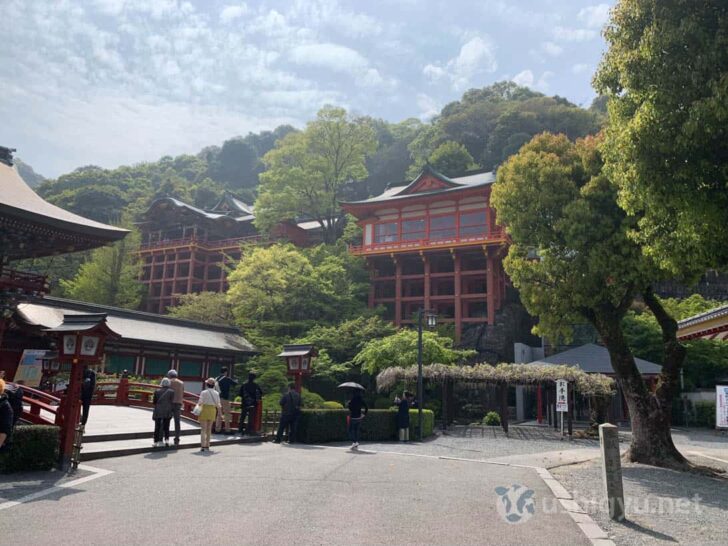
Then the main hall, surrounded by trees, came into view. The vivid red stands out beautifully against the green foliage.
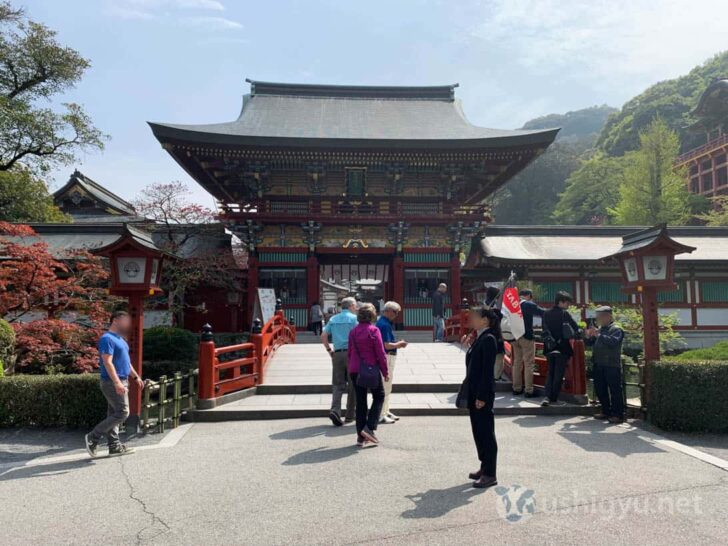
The tower gate is also quite impressive. There were many tour groups from overseas as well.
Like Kyoto’s Kiyomizu Temple, this shrine features wooden framework construction with the main hall elevated high above. The view must be spectacular.
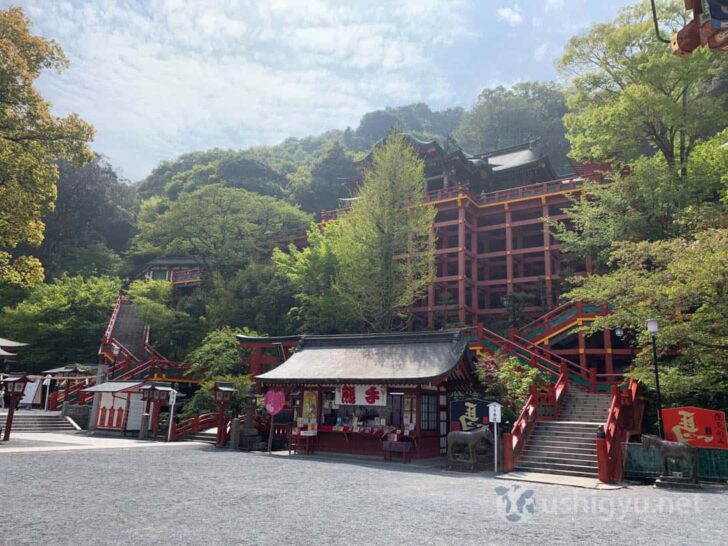
A view from the front. The current main hall was rebuilt in 1957 after the original was destroyed by fire in 1949. Thanks to excellent maintenance, it’s hard to believe it’s been 60 years.
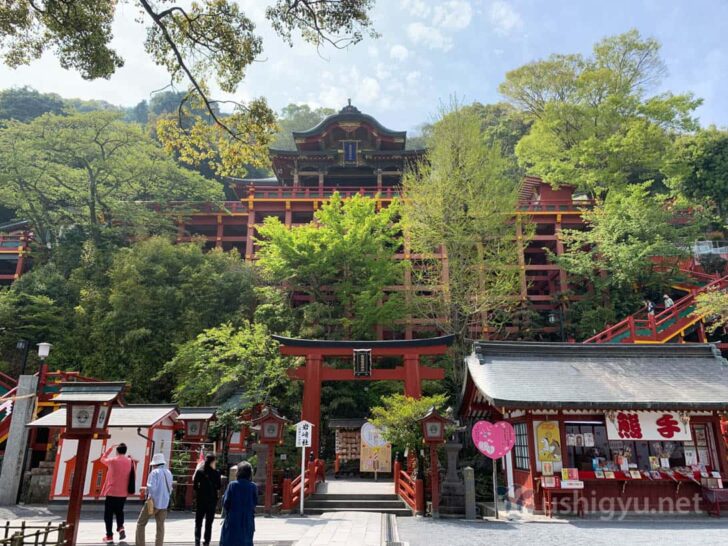
First, we paid our respects at the kagura hall, then decided to climb up to the main hall.
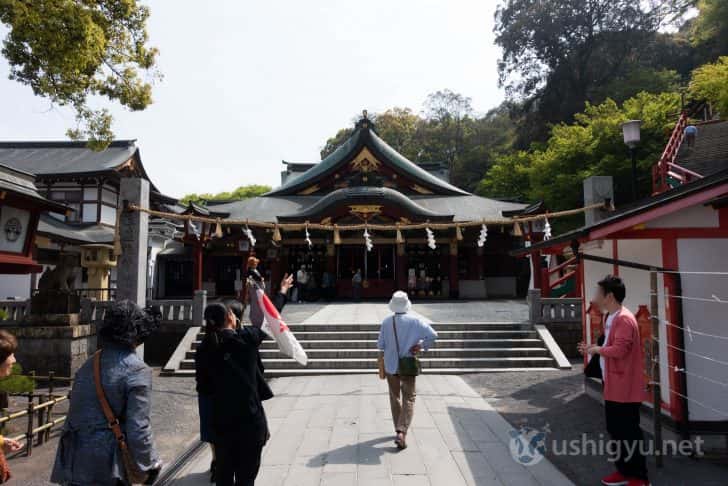
The more I look at it, the more dignified the main hall appears.

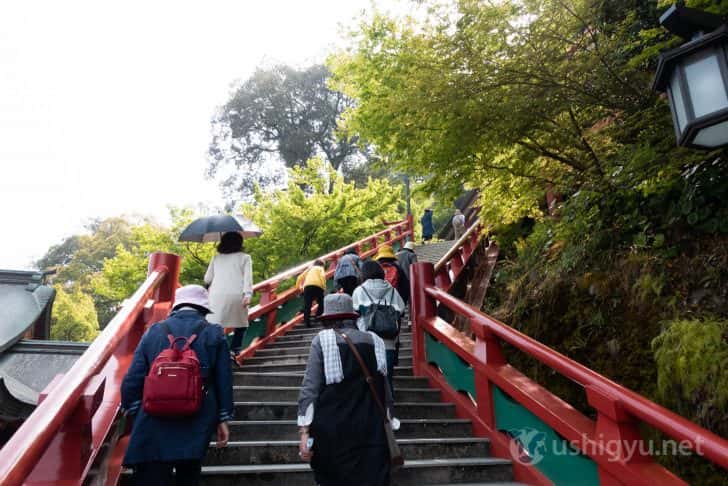
We climbed the 117 steps. There are maple trees along the way, making me imagine how beautiful it must be in autumn.
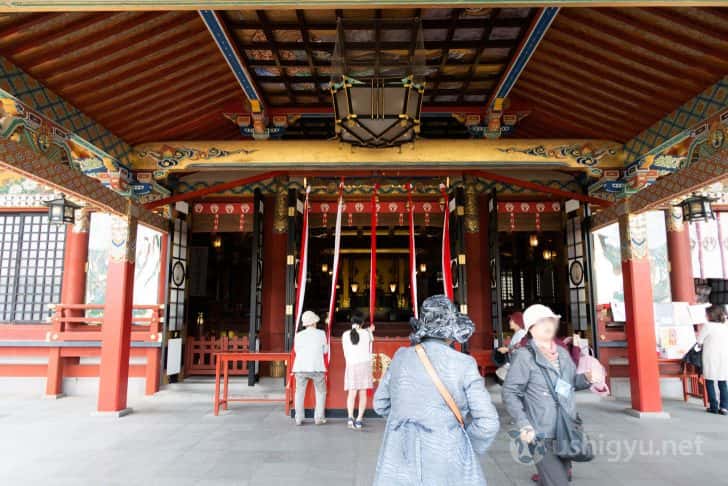
This is the main hall, decorated with vibrant colors.
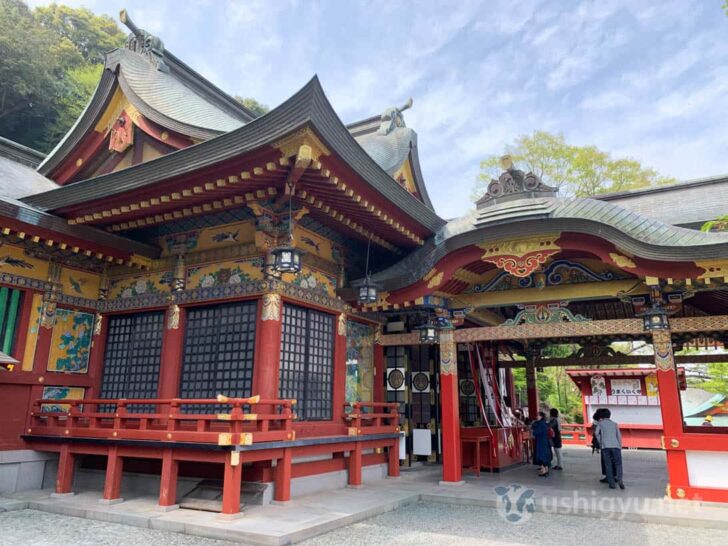
I performed the traditional two bows, two claps, and one bow.
From the elevated main hall, you can enjoy a panoramic view of the shrine buildings and the flowers of Higashiyama Park. What a view!
I noticed after descending that there’s a surprisingly modern elevator alongside the stairs to reach the main hall. While it costs 300 yen, you apparently receive an original fortune slip as a souvenir.
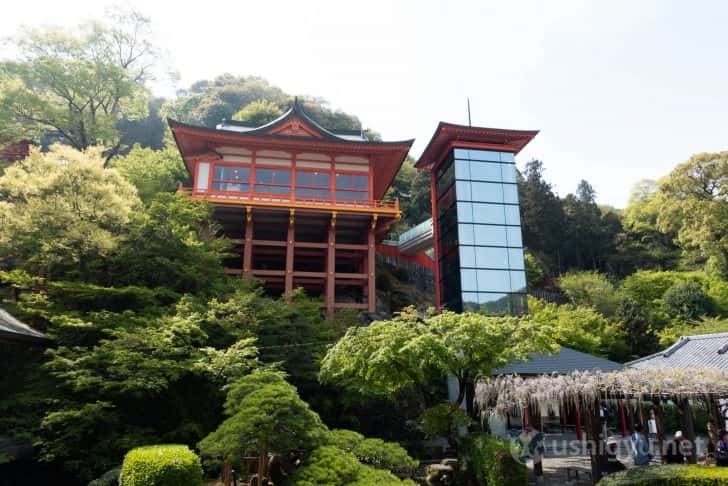
I didn’t draw a fortune because I only saw generic ones (I’m a purist for shrine-original fortunes), but I had no idea there was this system of receiving one by taking the elevator…
From the Main Hall: The Path to the Inner Shrine with Rows of Torii Gates
From beside the main hall, a path continues to the inner shrine at the mountain peak. It’s apparently about 300 meters along a mountain trail.
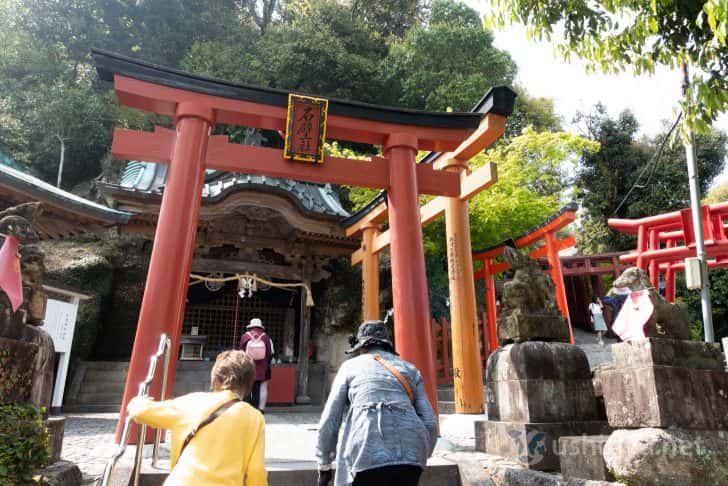
While not as extensive as Fushimi Inari Taisha, walking through the rows of red torii gates is delightful in itself.
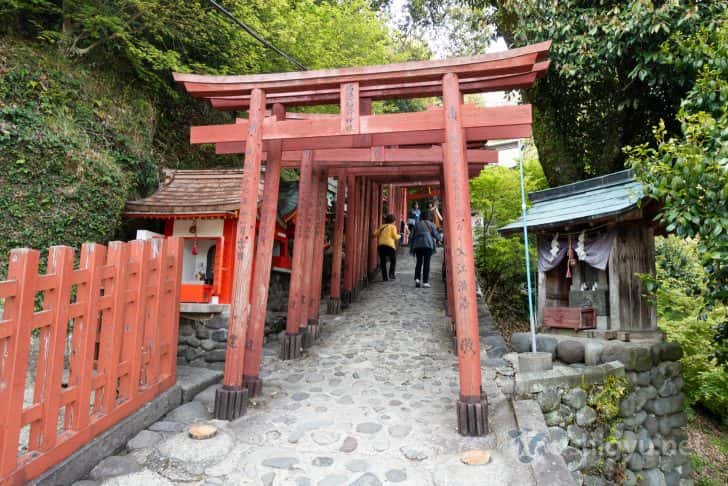
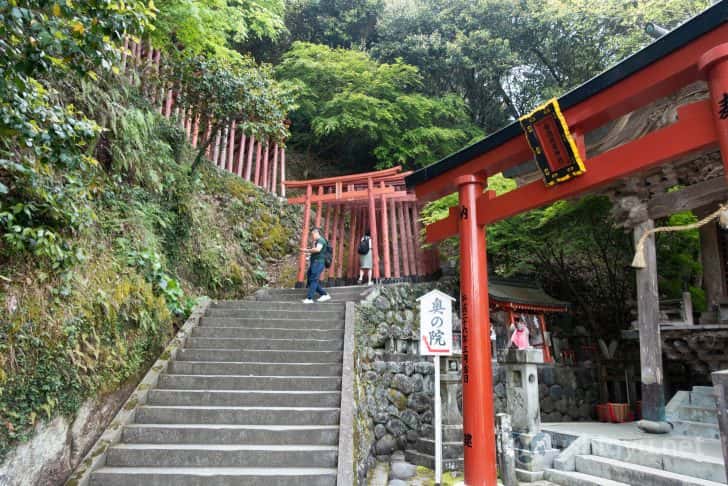
The weathered torii gates add wonderful character.
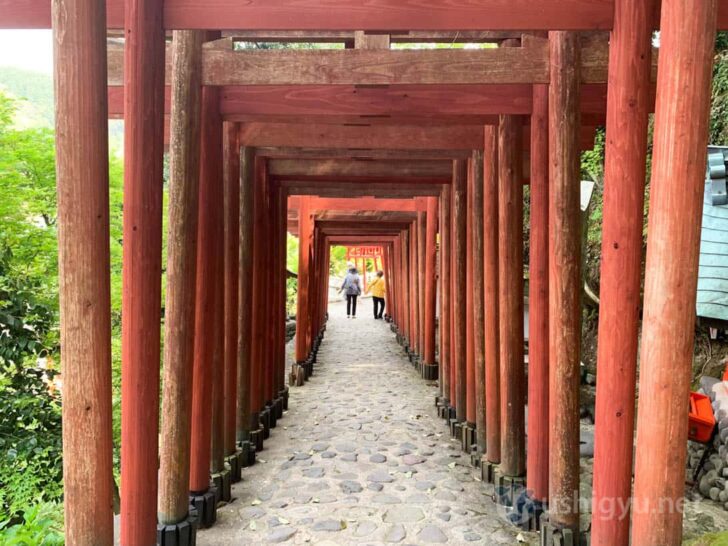
We decided to skip visiting the inner shrine due to our schedule, but I recommend it if you have time.
Japanese Garden: Enjoy Seasonal Flowers Year-Round
At Yutoku Inari Shrine’s Japanese garden, you can enjoy the elegant garden and seasonal flowers throughout the year. Admission is 200 yen.
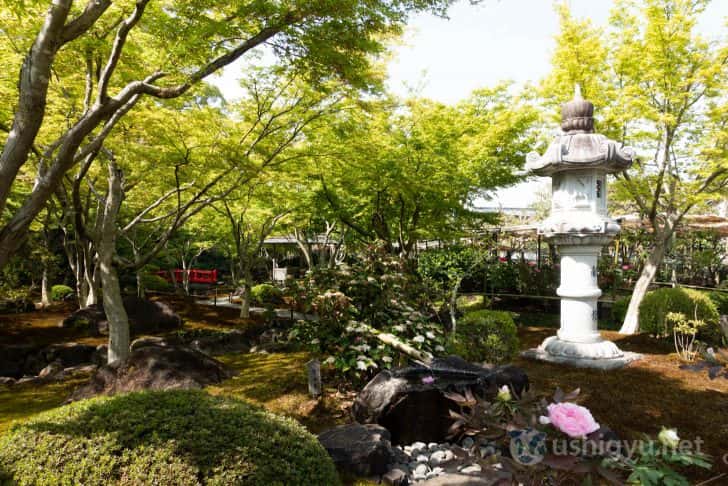
When I visited, many peonies in full bloom were on display.
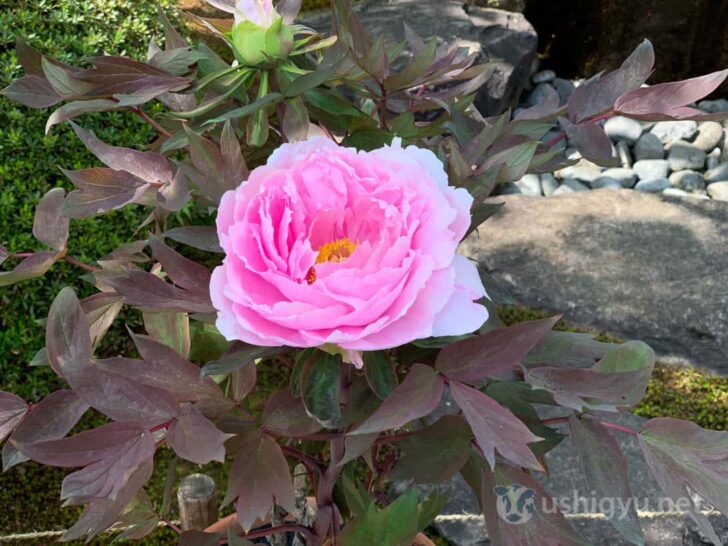
The white, pink, and red varieties were vibrant and beautiful.
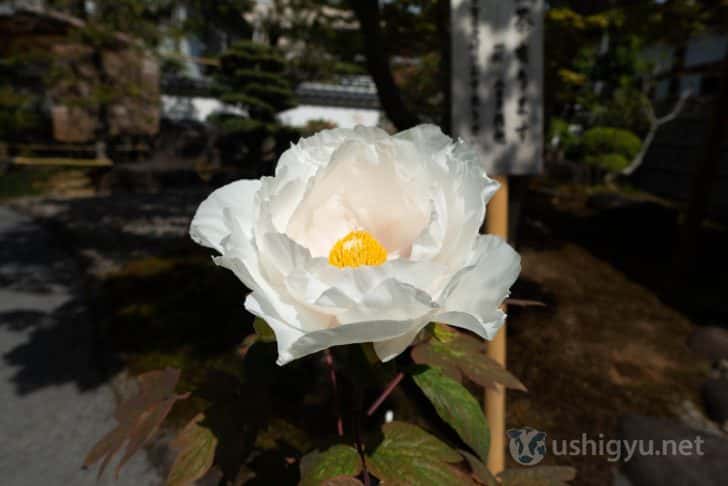
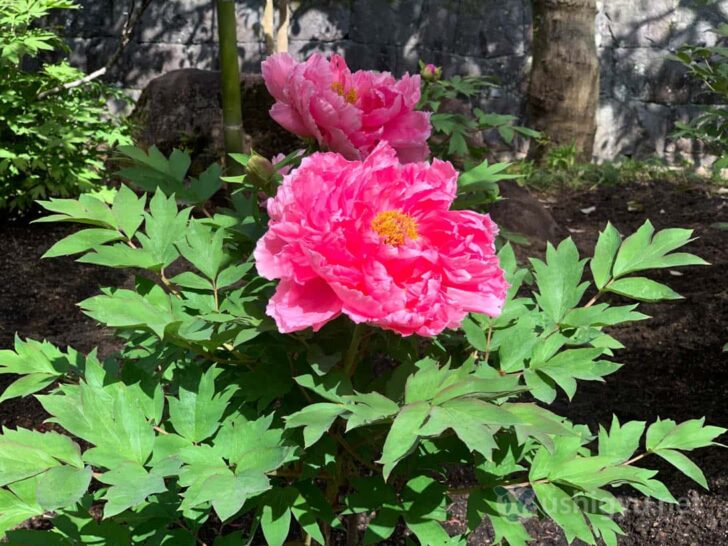
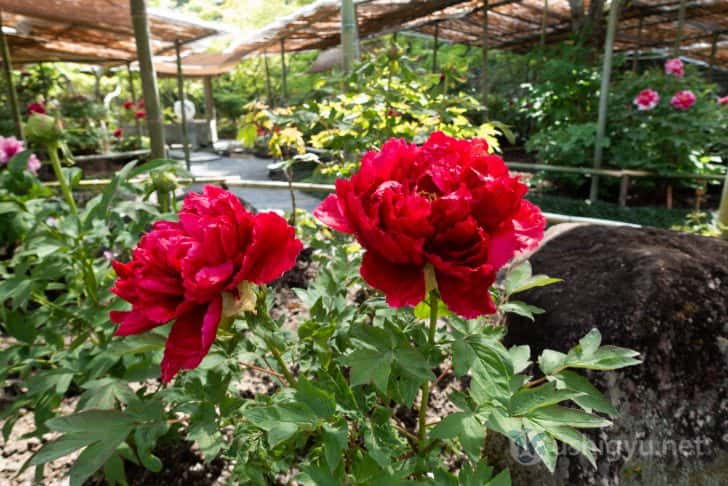
While I initially thought “They charge admission?”, the quality was definitely worth the price.
Final Thoughts
Since it’s located in the Nagasaki-facing part of Saga Prefecture, I recommend adding it to your itinerary if you’re traveling to Saga or Nagasaki. It’s also close to Ureshino Onsen and Takeo Onsen hot spring resorts.
| Facility Name | Yutoku Inari Shrine |
|---|---|
| Phone | 0954-62-2151 |
| Address | 1855 Furueda Otsu, Kashima City, Saga Prefecture |
| Website | Official: Yutoku Inari Shrine |
*Information is current as of article publication. Please verify details on the official website.
Comments