Three islands floating south of Kagoshima Prefecture—Iojima, Takeshima, and Kuroshima—comprise Mishima Village, true to its name.
Iojima, one of these three islands, is also home to the secret hot spring I previously reported on, Higashi Onsen.

When I visited, photos I’d taken won a photo contest prize—Daimyo Takenoko (bamboo shoots).
A luxury ingredient and specialty of Takeshima, one of Mishima Village’s islands, these low-bitterness shoots can even be eaten raw. They’re called a “miraculous bamboo shoot.”
I quickly prepared and tasted them, and remarkably, virtually no bitterness emerged. They’re wonderfully aromatic, rich, and delicious!
Freshness is crucial and the season is limited, making acquisition difficult. But as awareness grows, they may eventually be distributed nationwide. In any case, these are absolutely worth tasting!
Takeshima Island Covered in Bamboo – The Miracle Takenoko “Daimyo Takenoko”
Daimyo takenoko are harvested on Takeshima Island, covered in bamboo (Ryukyu bamboo) as the name suggests.
※This is a different island from the disputed “Takeshima” controlled by South Korea—this is part of Japanese territory.
The following is a photo of Takeshima taken when passing by ferry. The overwhelming green covering the entire island is bamboo. Completely covered.

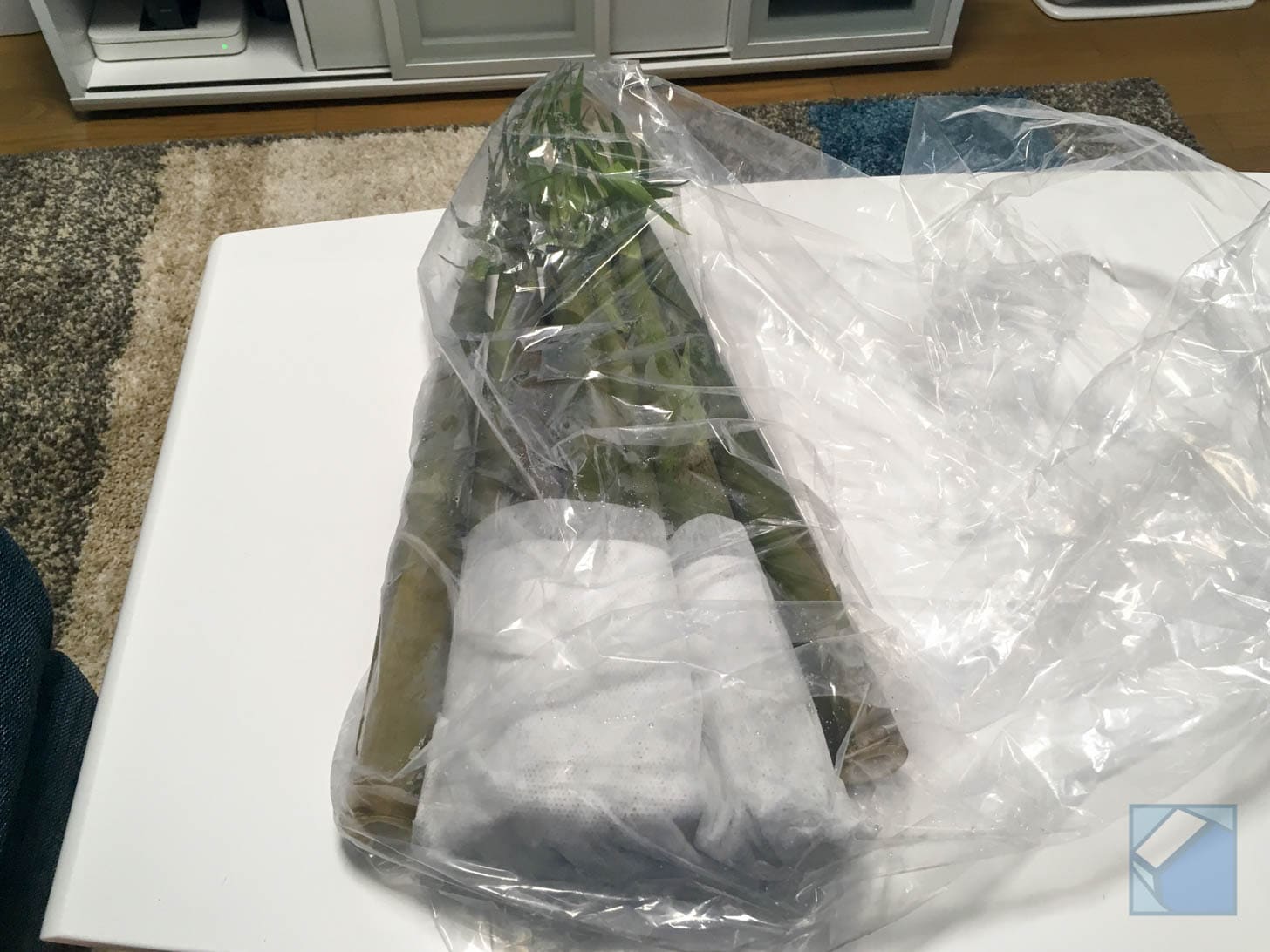
Daimyo takenoko from Takeshima arrived at my home in Fukuoka!
The name reportedly comes from the fact that due to regional limitations and difficult distribution, only feudal lords (daimyo) could enjoy this luxury ingredient.
True to its name, Takeshima Island is completely covered in bamboo. The island’s specialty is this bamboo—specifically Ryukyu bamboo, which grows only in Okinawa and Kagoshima. These takenoko shoots have virtually no bitterness and are edible raw, making them exceptionally delicious. However, due to regional limitations and difficult distribution, historically only feudal lords could enjoy them. For this reason they’re also called “Daimyo Takenoko,” and today they remain a premium ingredient in high demand.
Daimyo Takenoko Harvesting | Island Geopark Mishima Village, Kagoshima Prefecture
Impressive specimens indeed.
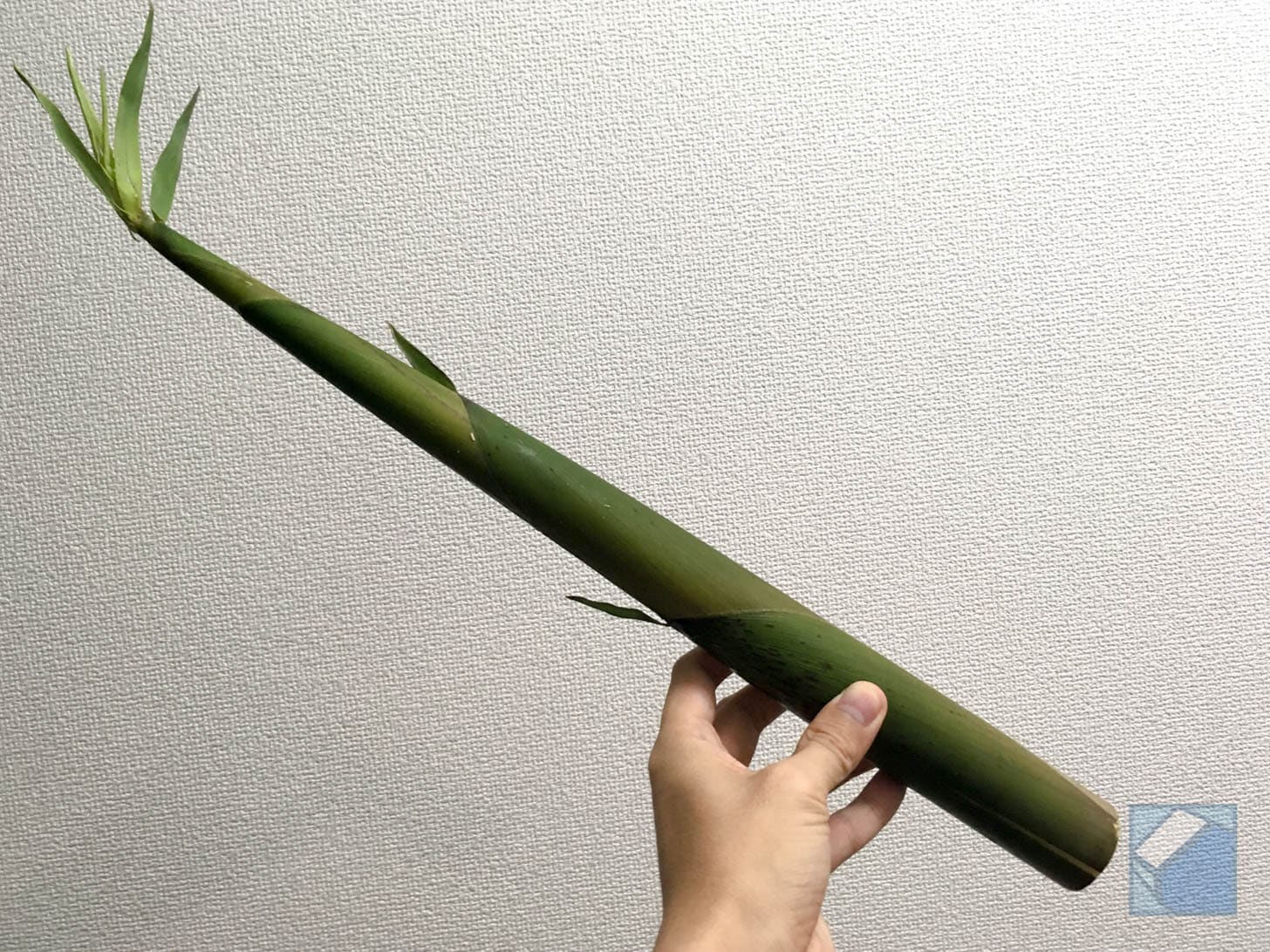
“Season-limited to May-June each year,” “low in bitterness,” and “edible raw”—truly miraculous takenoko.
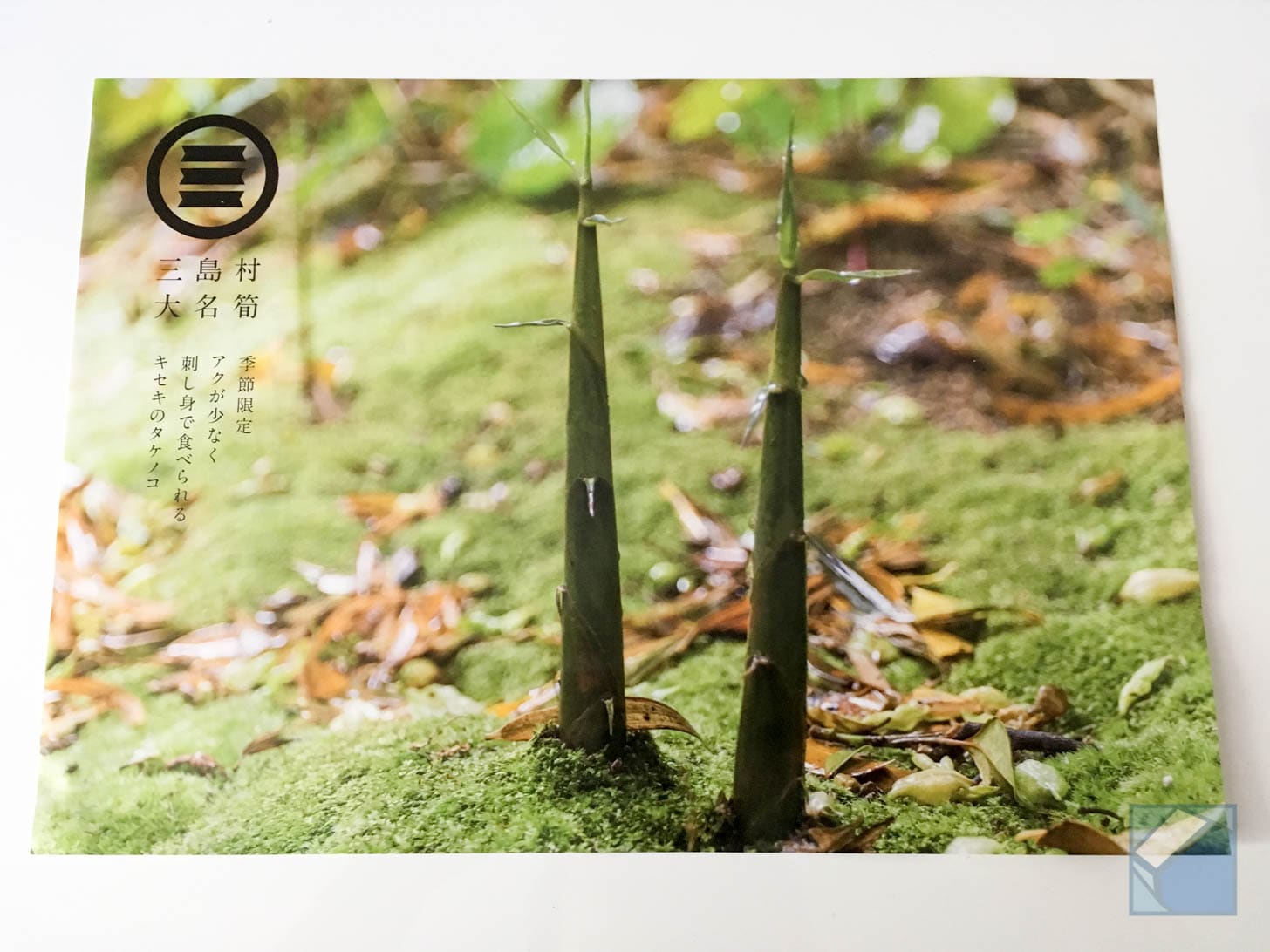
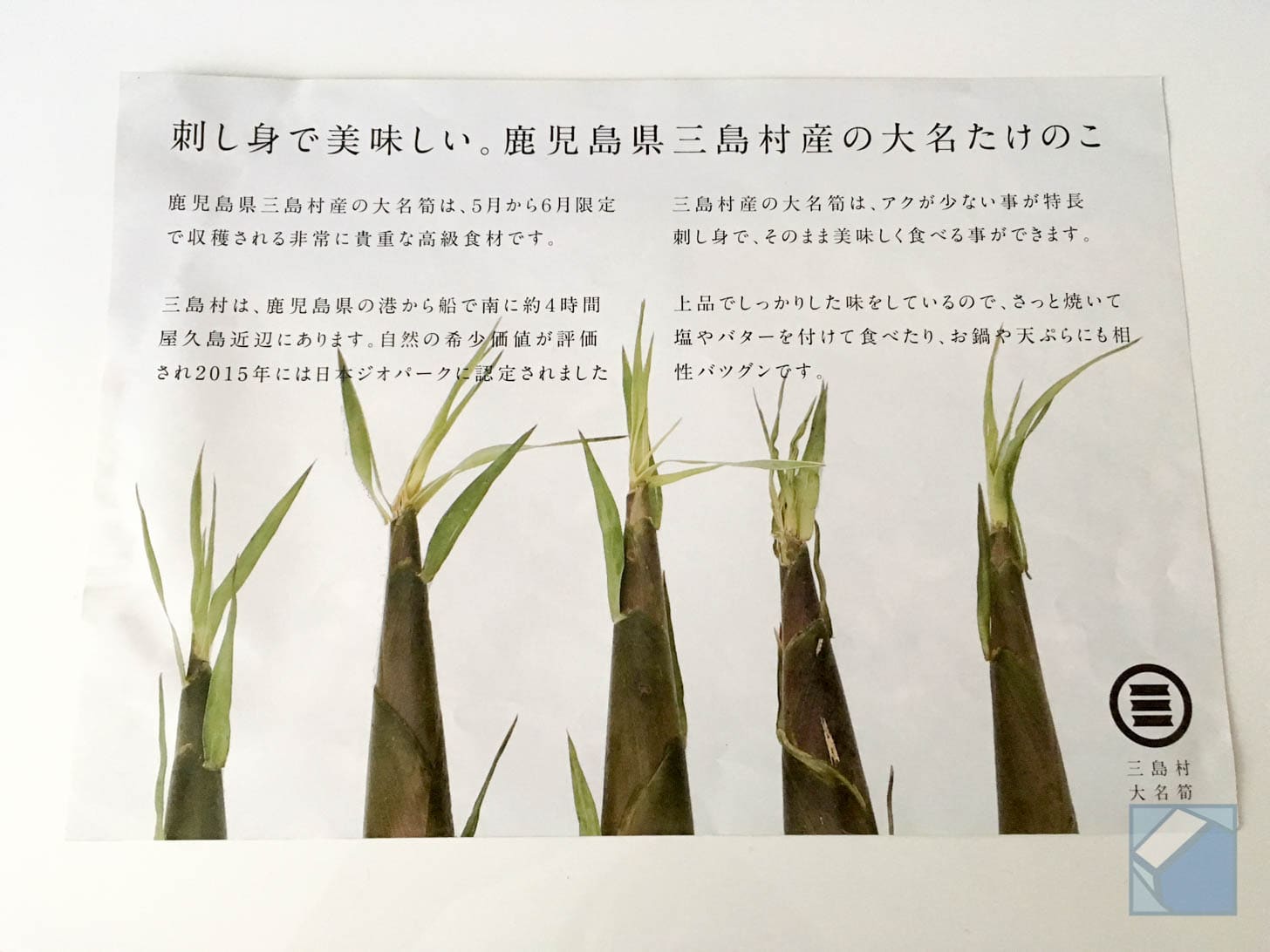
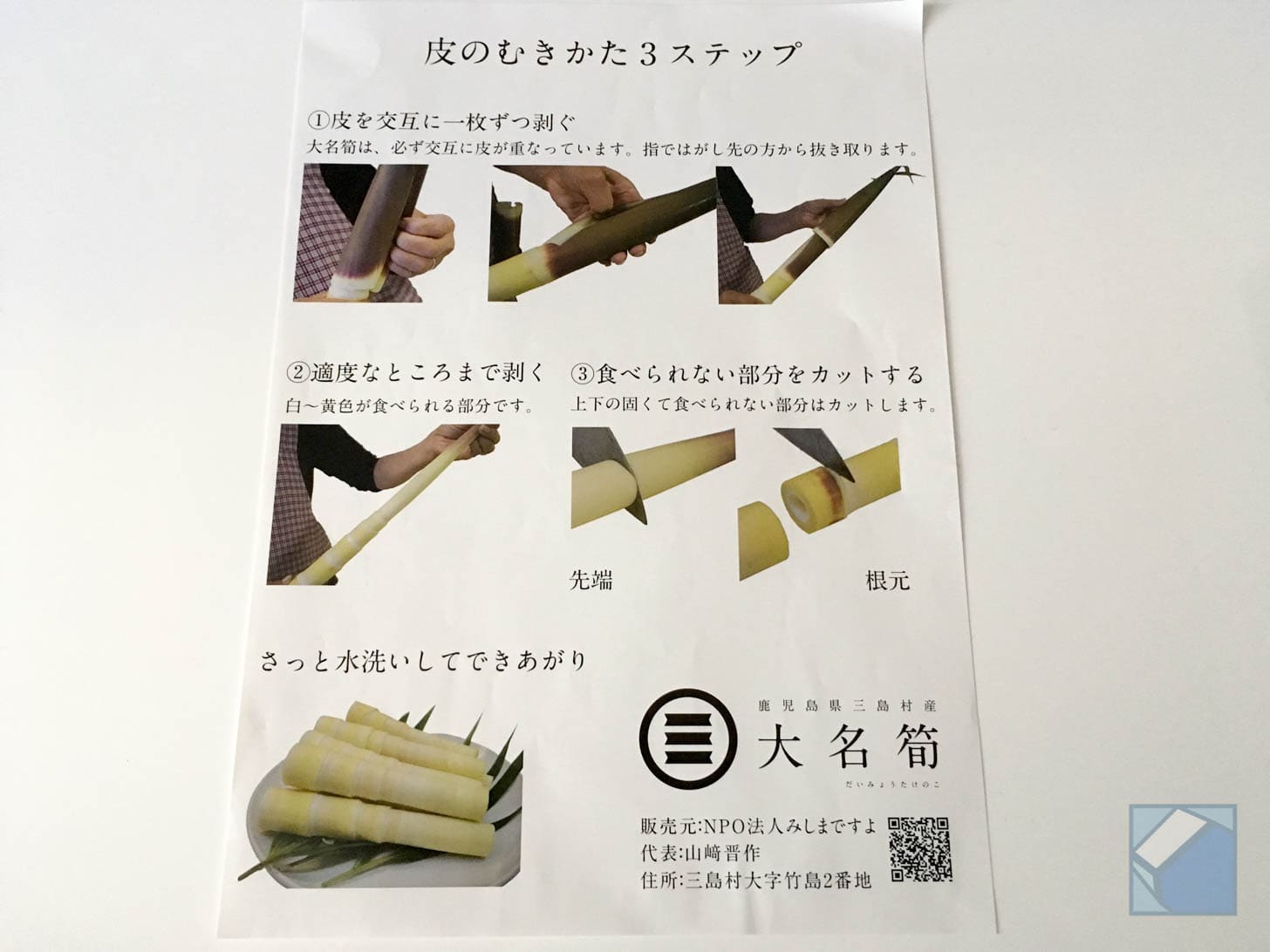
To be honest, I’d never prepared takenoko from this raw state before, but fortunately preparation instructions were included. Problem solved.
Quick Boil and Taste – Minimal Bitterness, Wonderful Aroma!
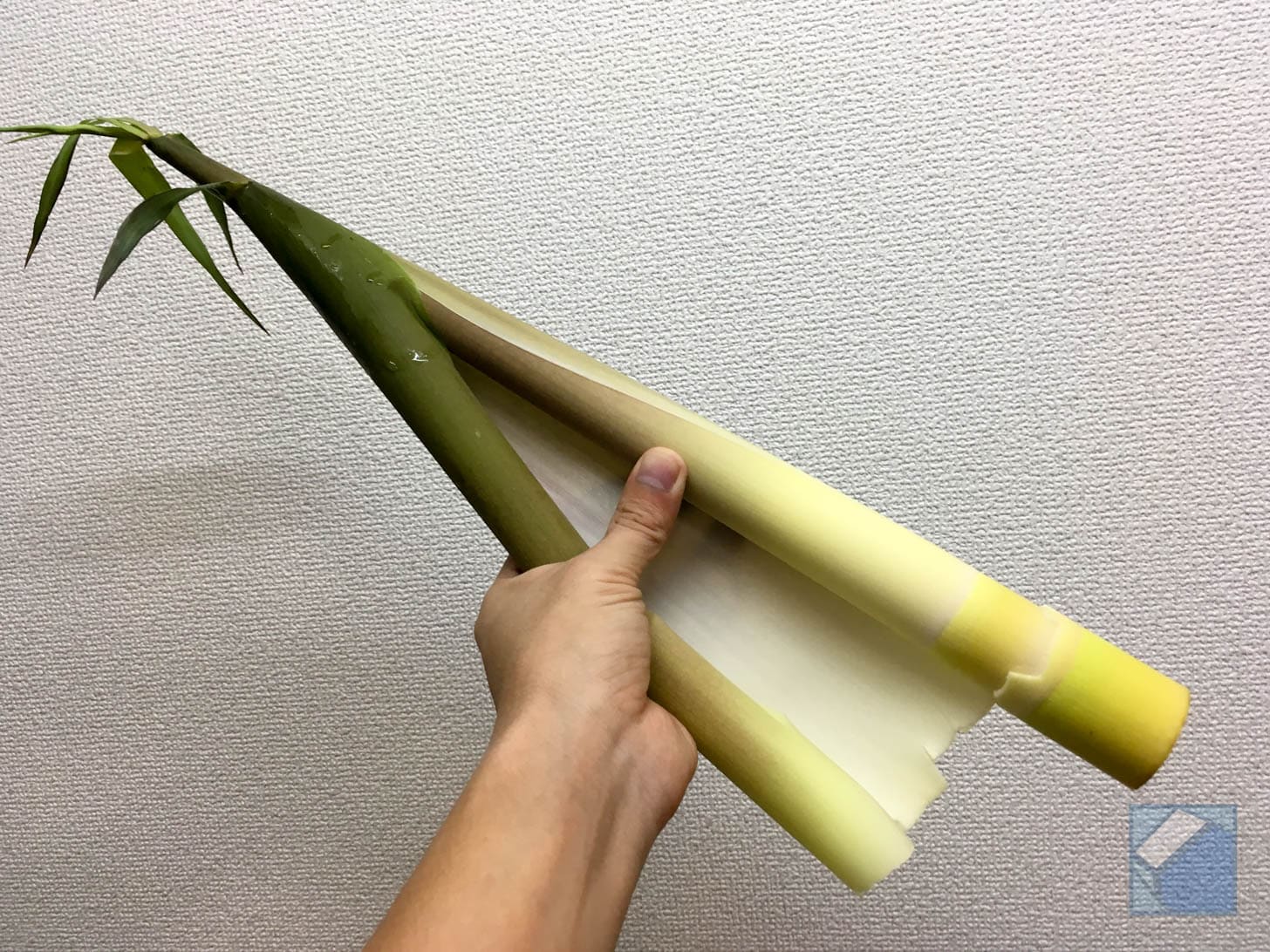
First, I alternately removed the takenoko skin until reaching white-to-yellow coloring.
Initially I thought it tedious, but the smooth peeling was oddly satisfying—I almost regretted finishing the last one!
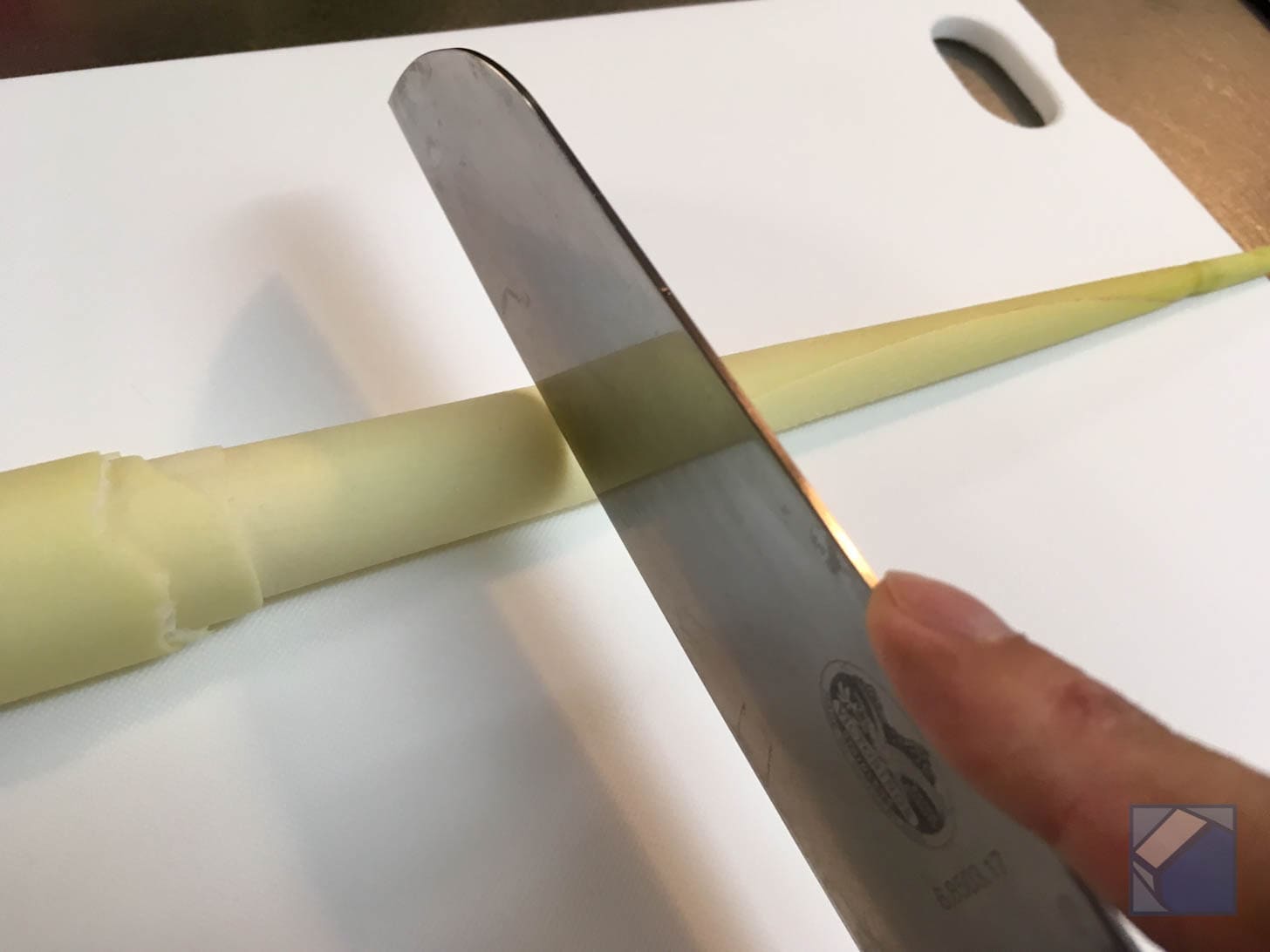
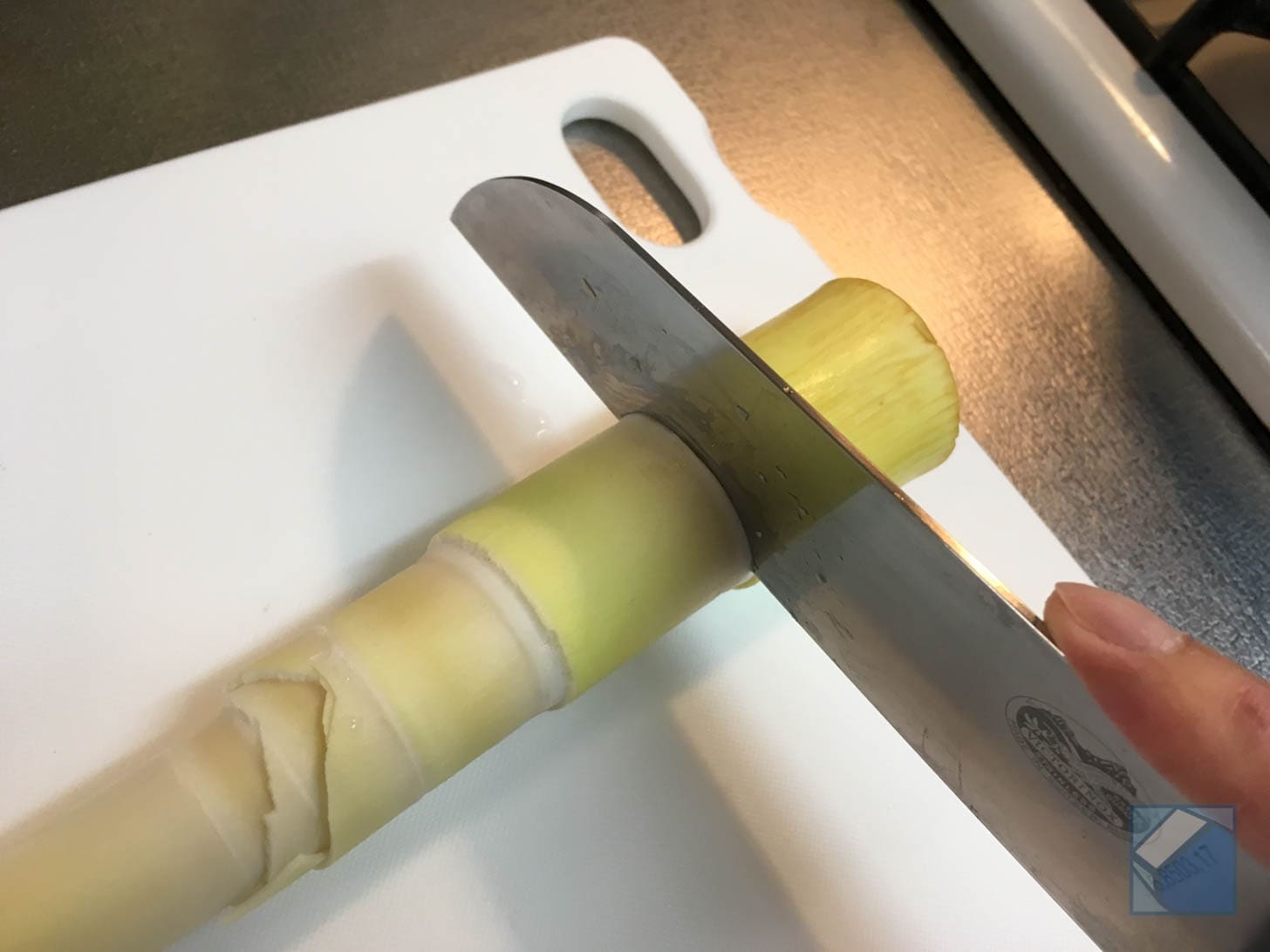
The inedible tip and root sections are trimmed away.
When fresh, they can be eaten raw, but since mine arrived slightly later, I decided to boil them as a precaution, following the included recipe.
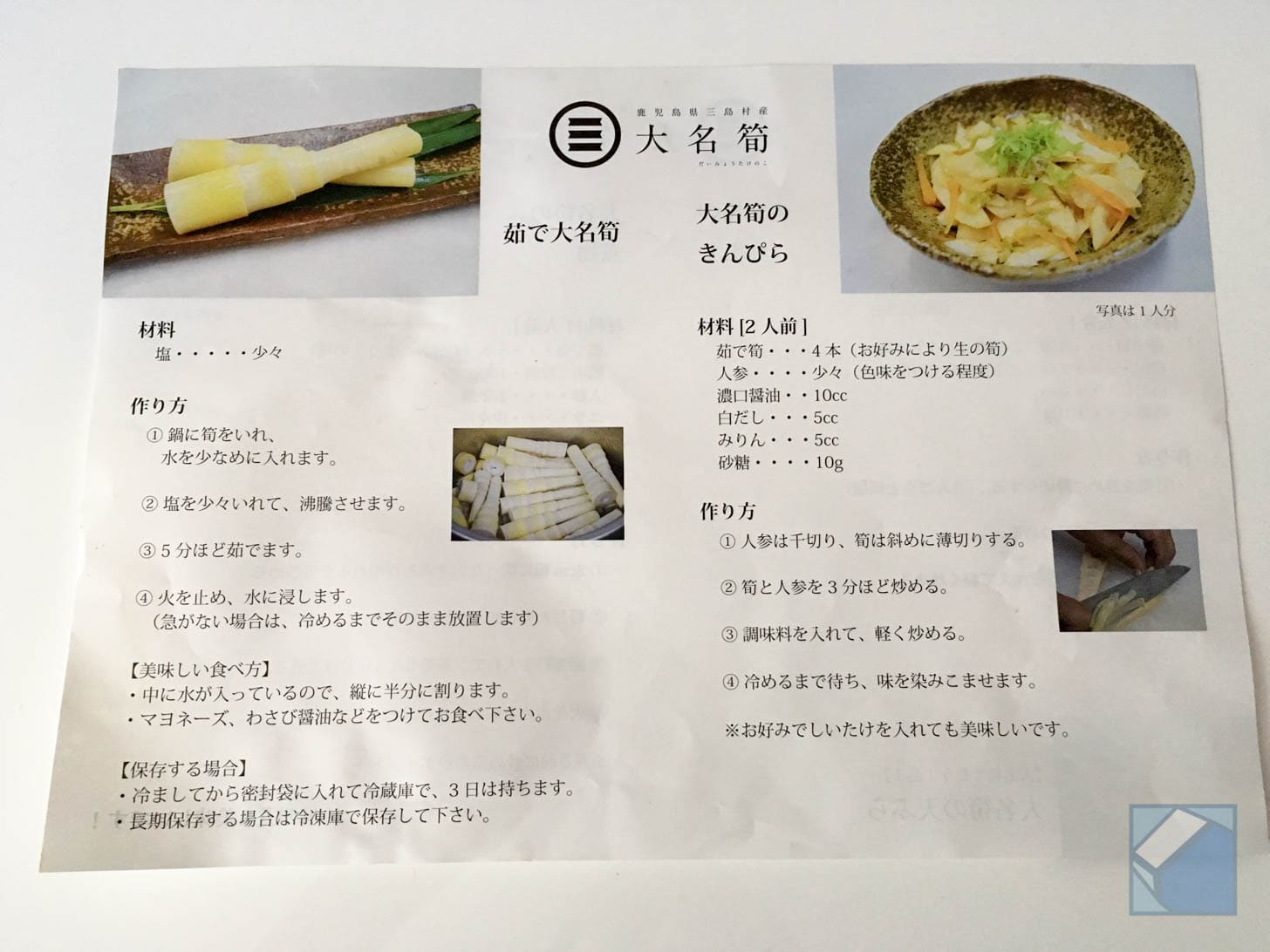
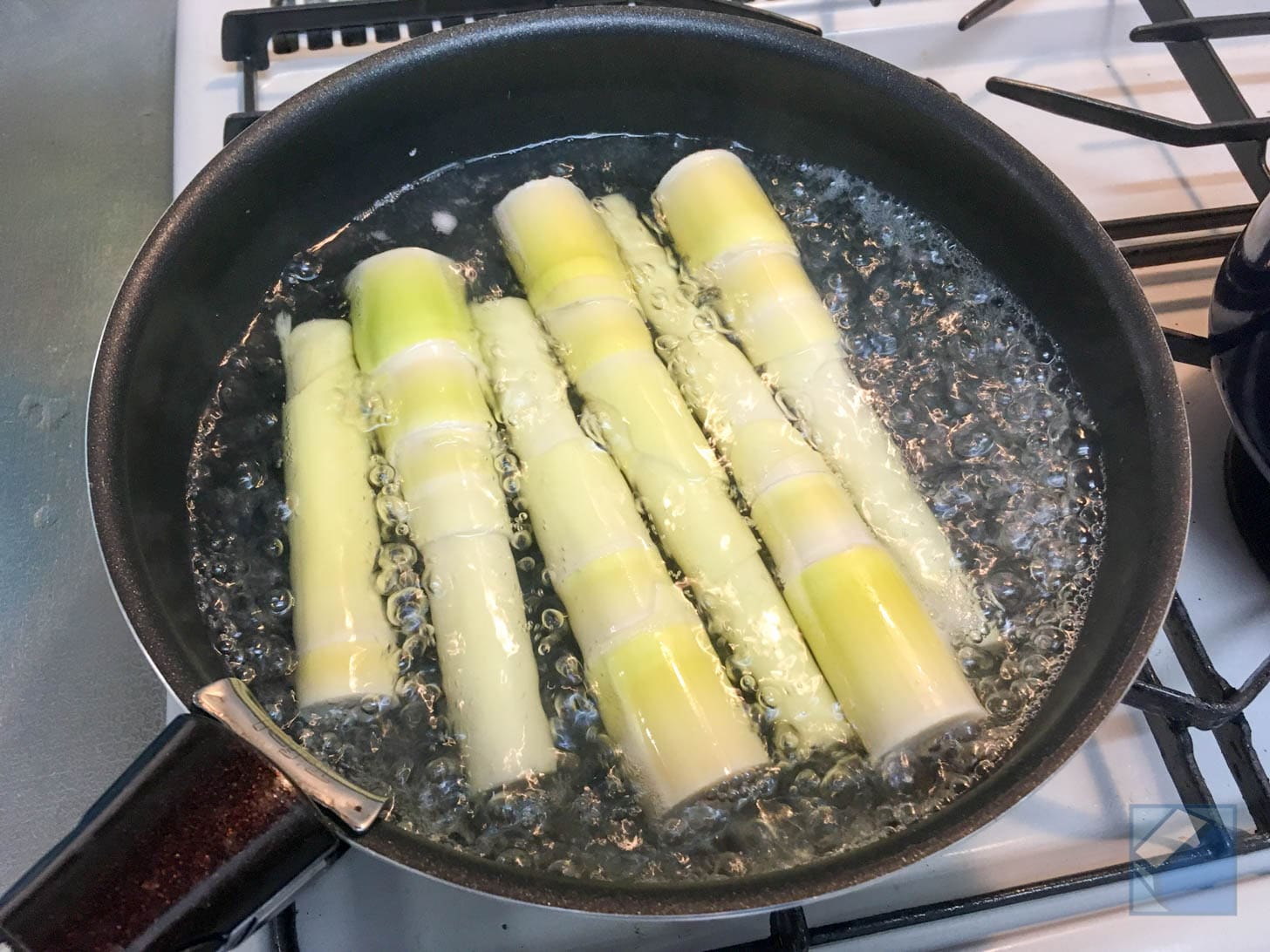
Typically rice bran and chili peppers are added, with boiling times of 30 minutes to an hour. However, for daimyo takenoko with minimal bitterness, just 5 minutes in salted water suffices.
Following these instructions exactly.
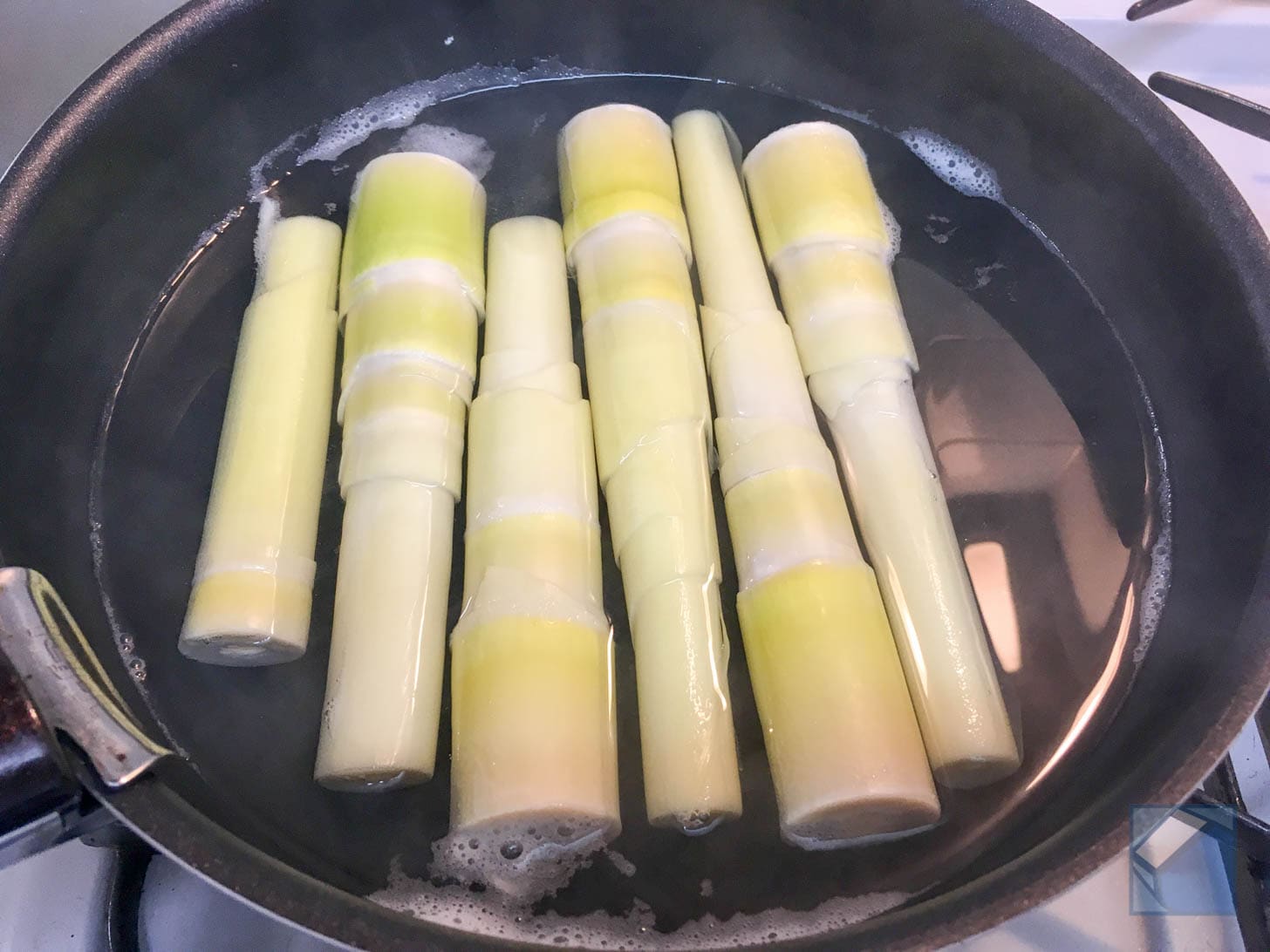
After boiling and cooling—as you can see, virtually no bitterness emerged! I didn’t skim any scum either.
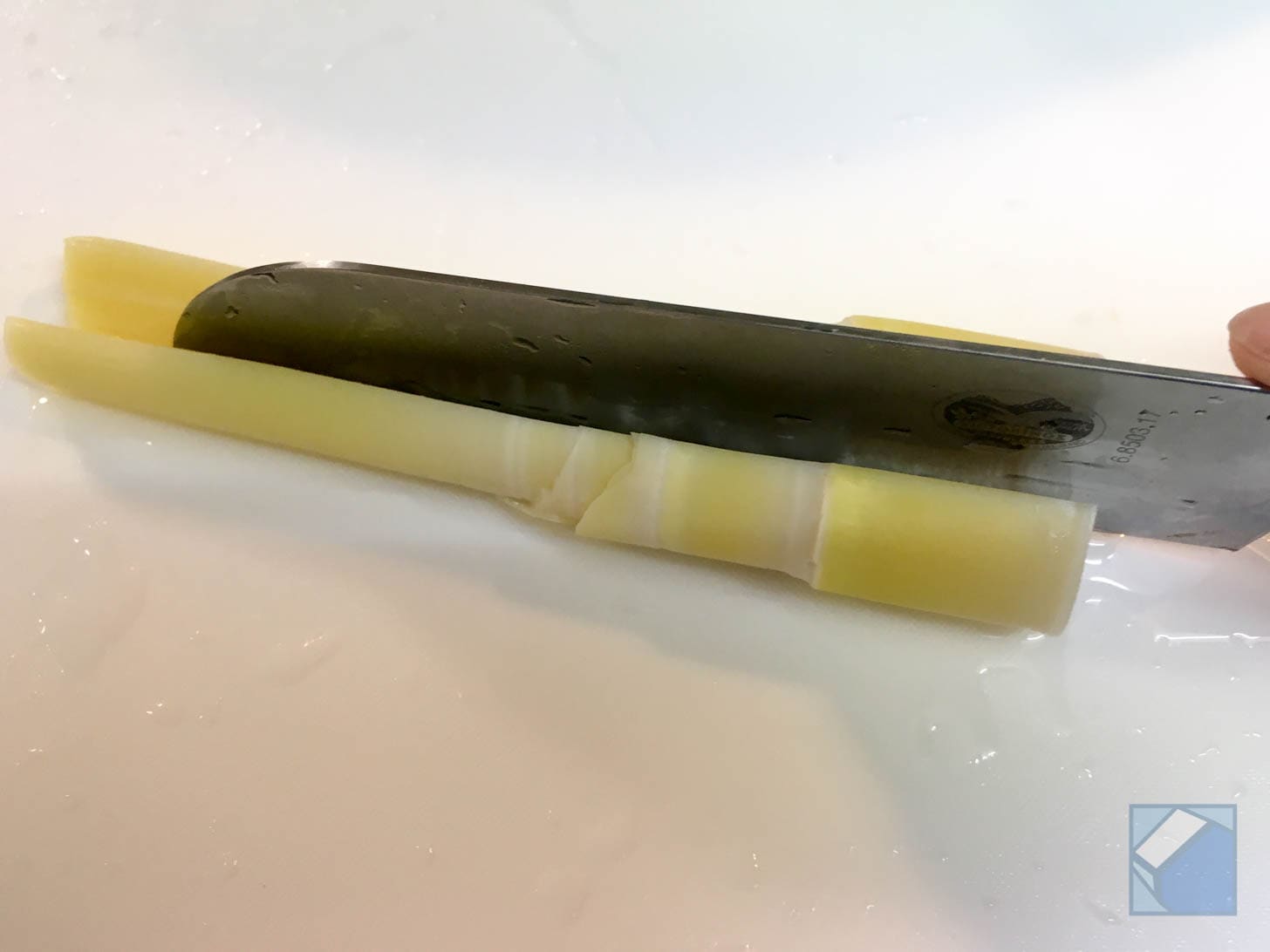
Cut in half and drain the internal moisture.
Now to try eating it as-is.
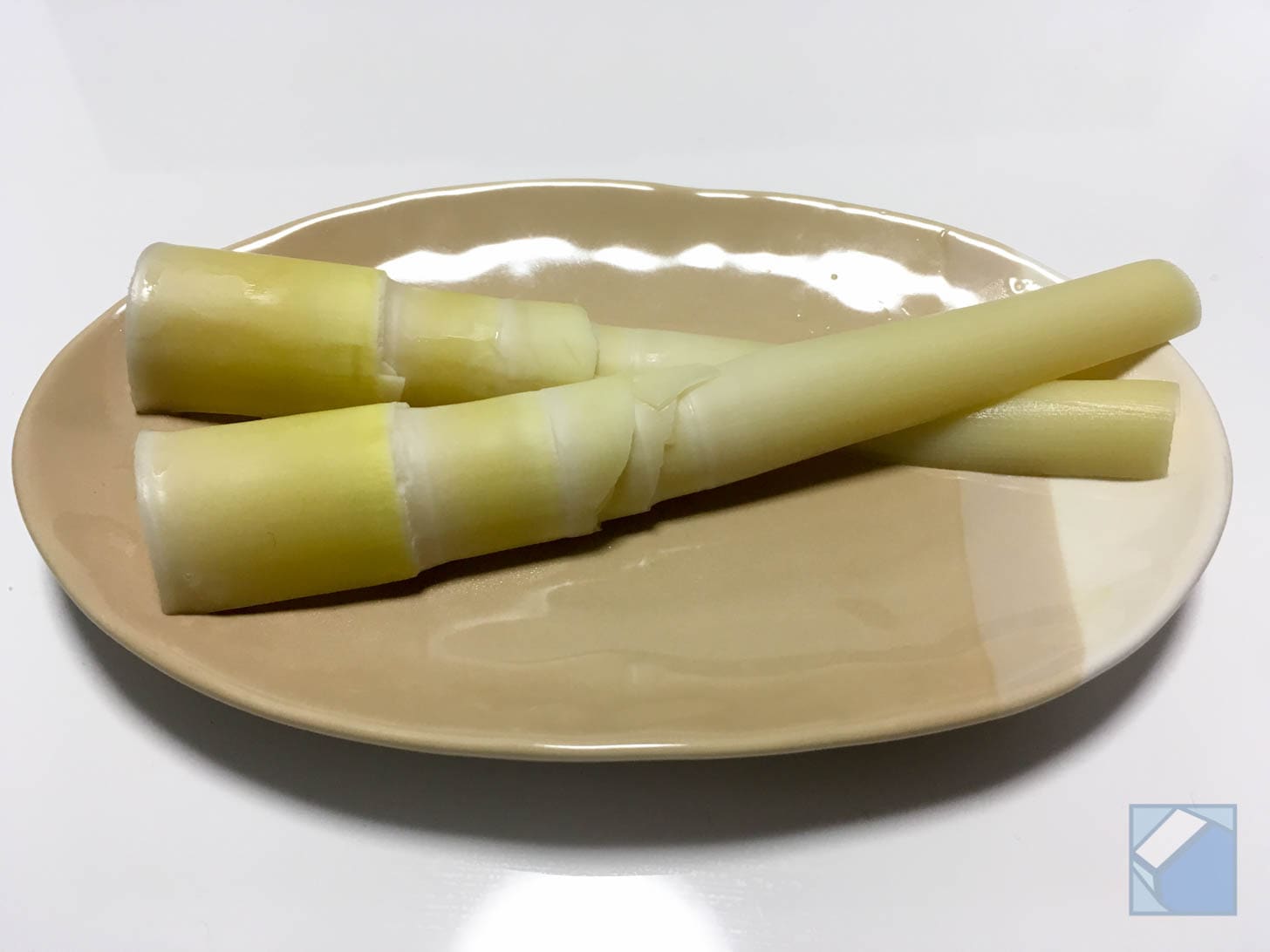
The presentation wasn’t quite traditional—a more formal Japanese plate and garnish might have been better.
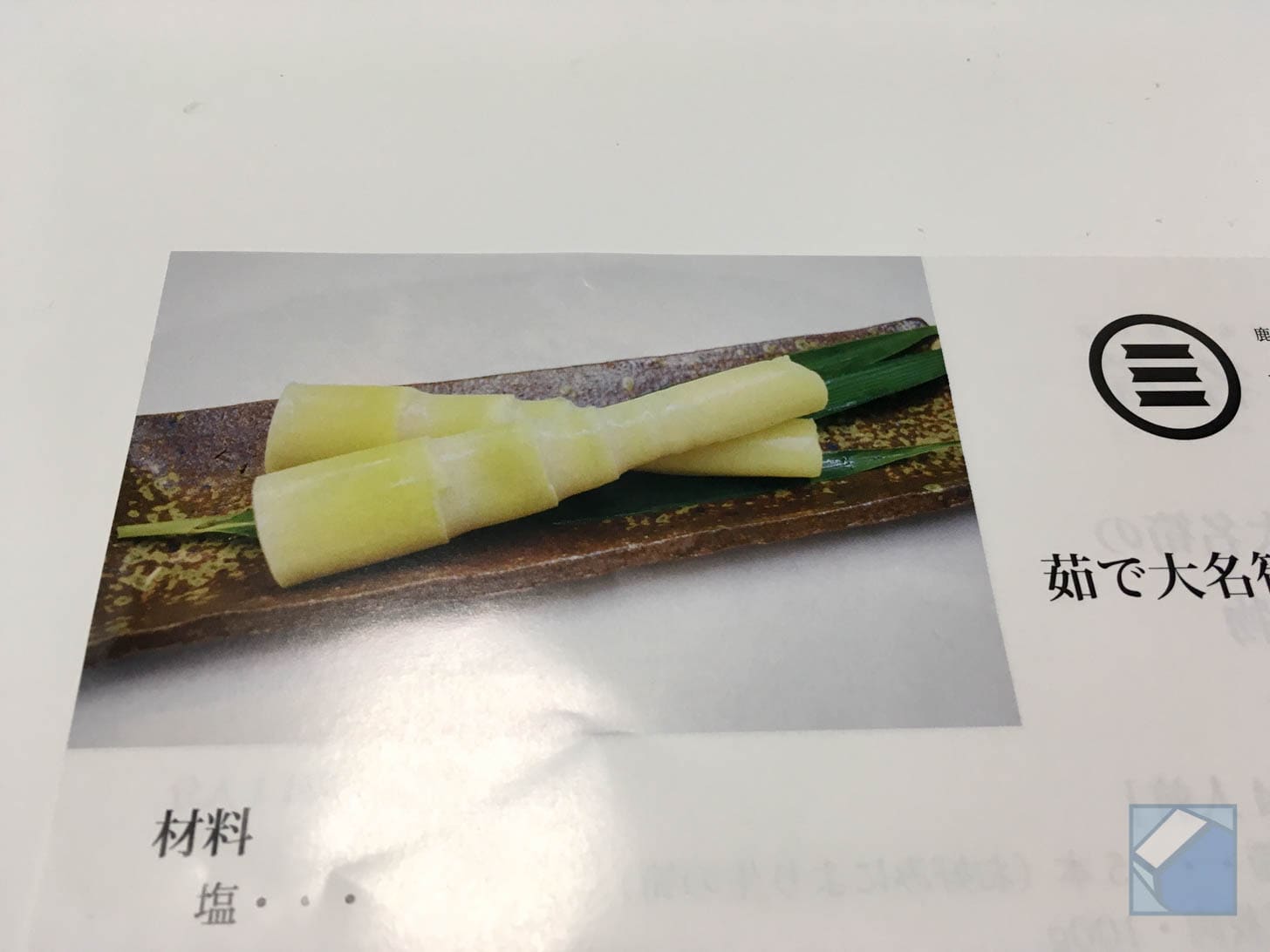
Tasting it, I thought “Is this really takenoko?” The absence of harshness and wonderful aroma that fills the mouth is remarkable.
It’s delicious plain, and equally excellent with soy sauce or salt.
Takenoko usually features in simmered dishes, but eaten solo like this, it’s truly exceptional.
Or perhaps this is so good specifically because it’s daimyo takenoko and not ordinary shoots.
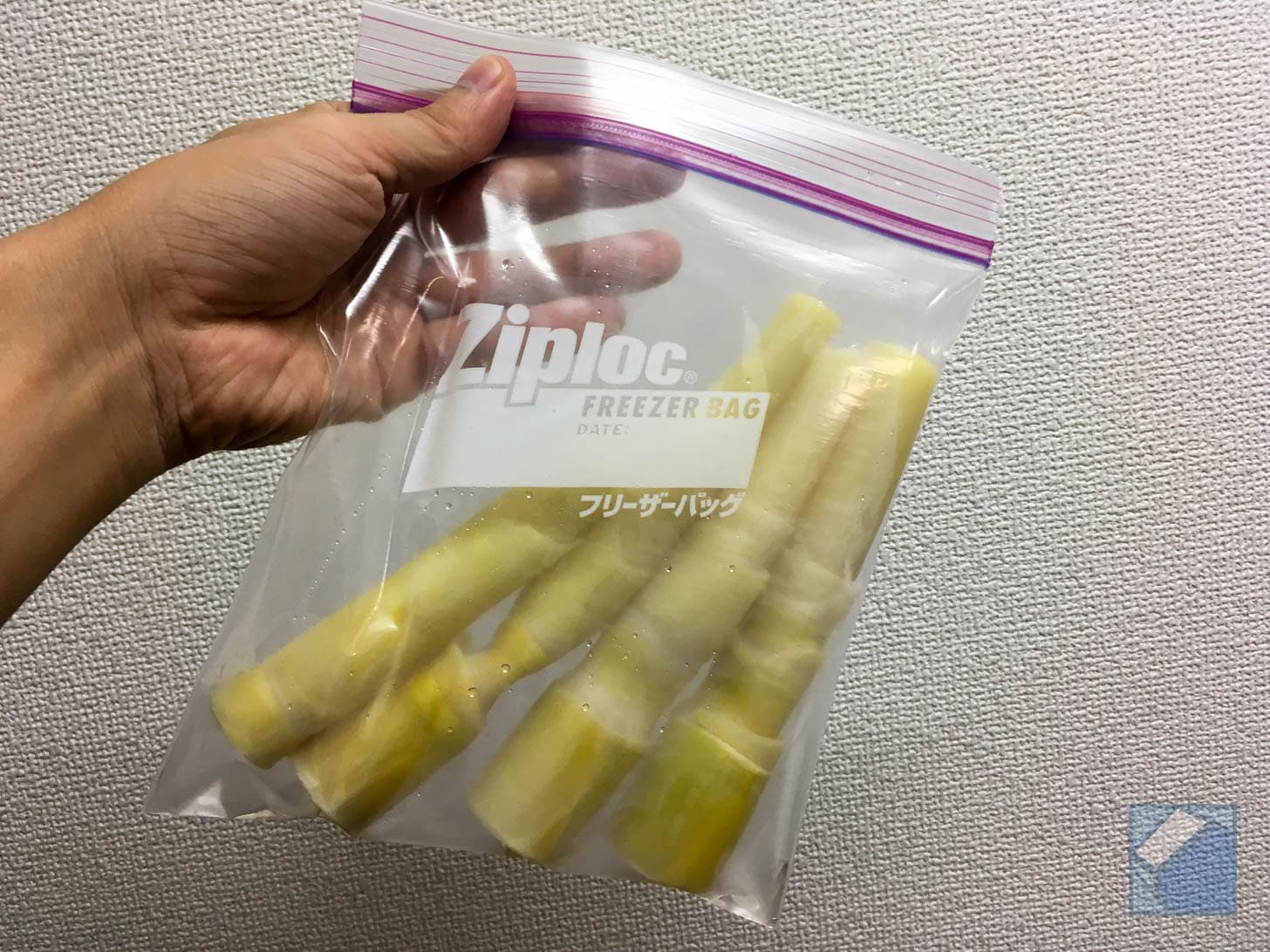
The remainder goes into a zip-lock bag—refrigerate for short-term storage, freeze for longer.
Equally Delicious in Prepared Dishes
Following the included recipes, I tried sautéing in butter,
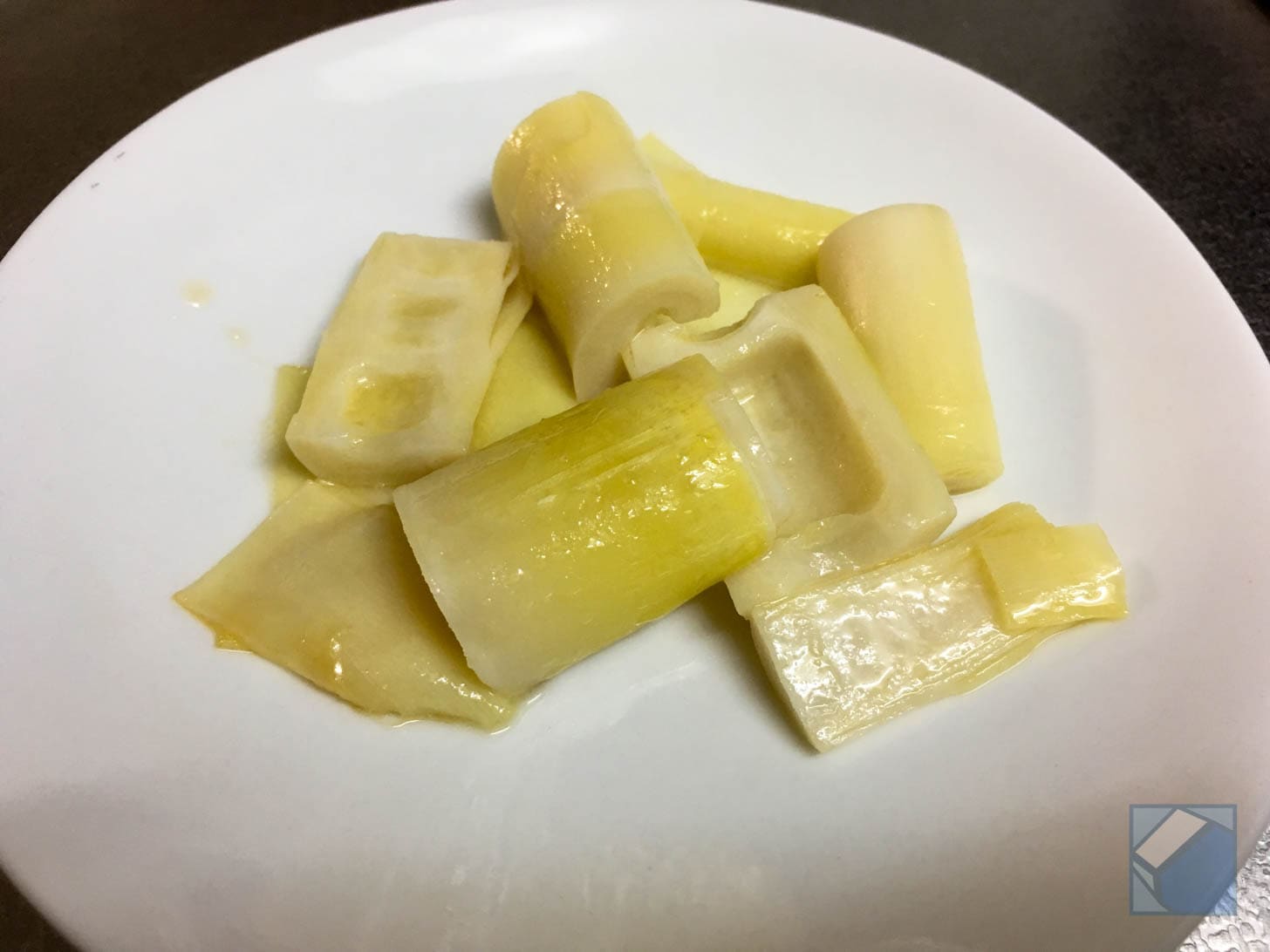
Mixing with egg,
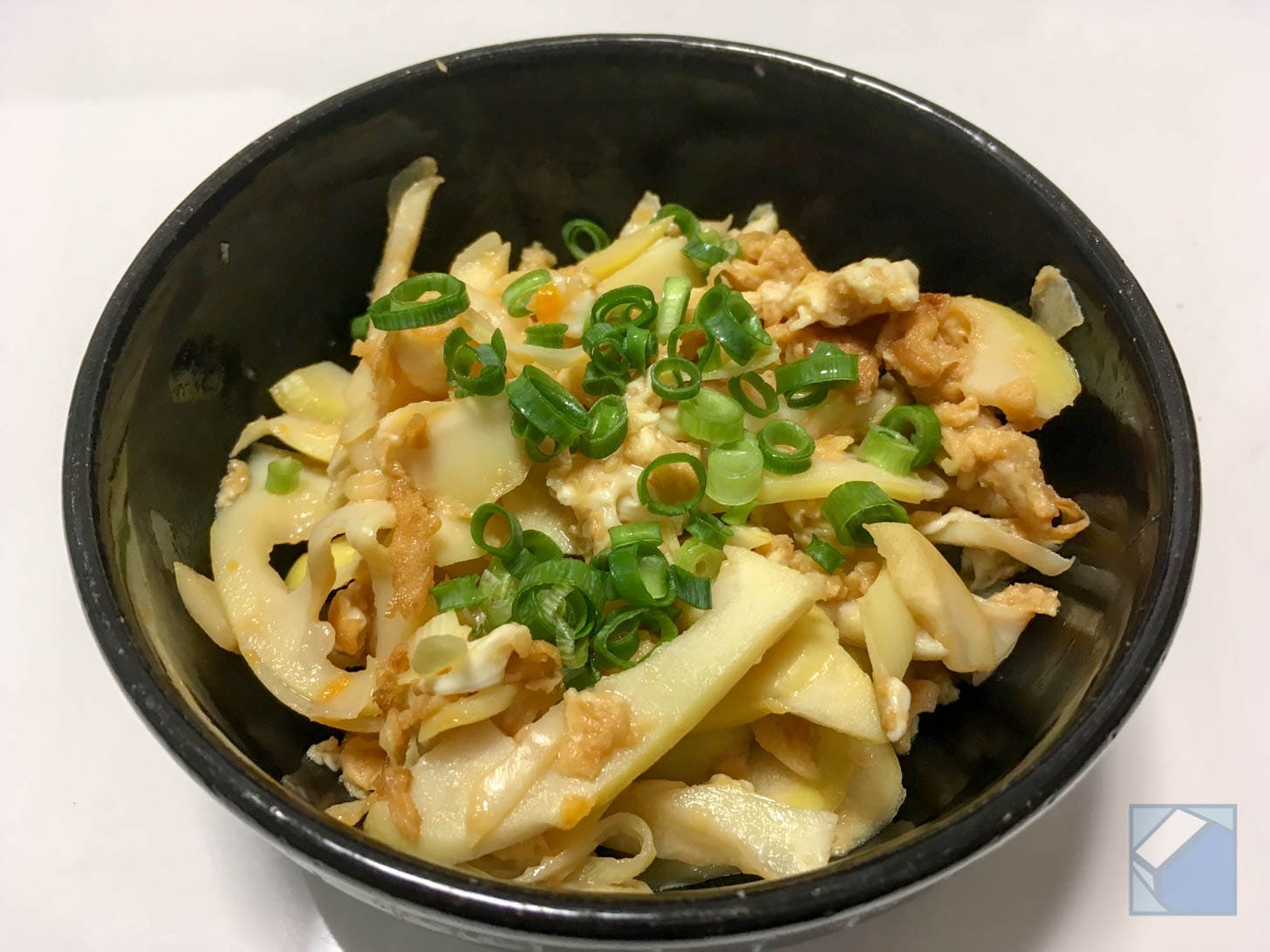
And adding to simmered dishes.
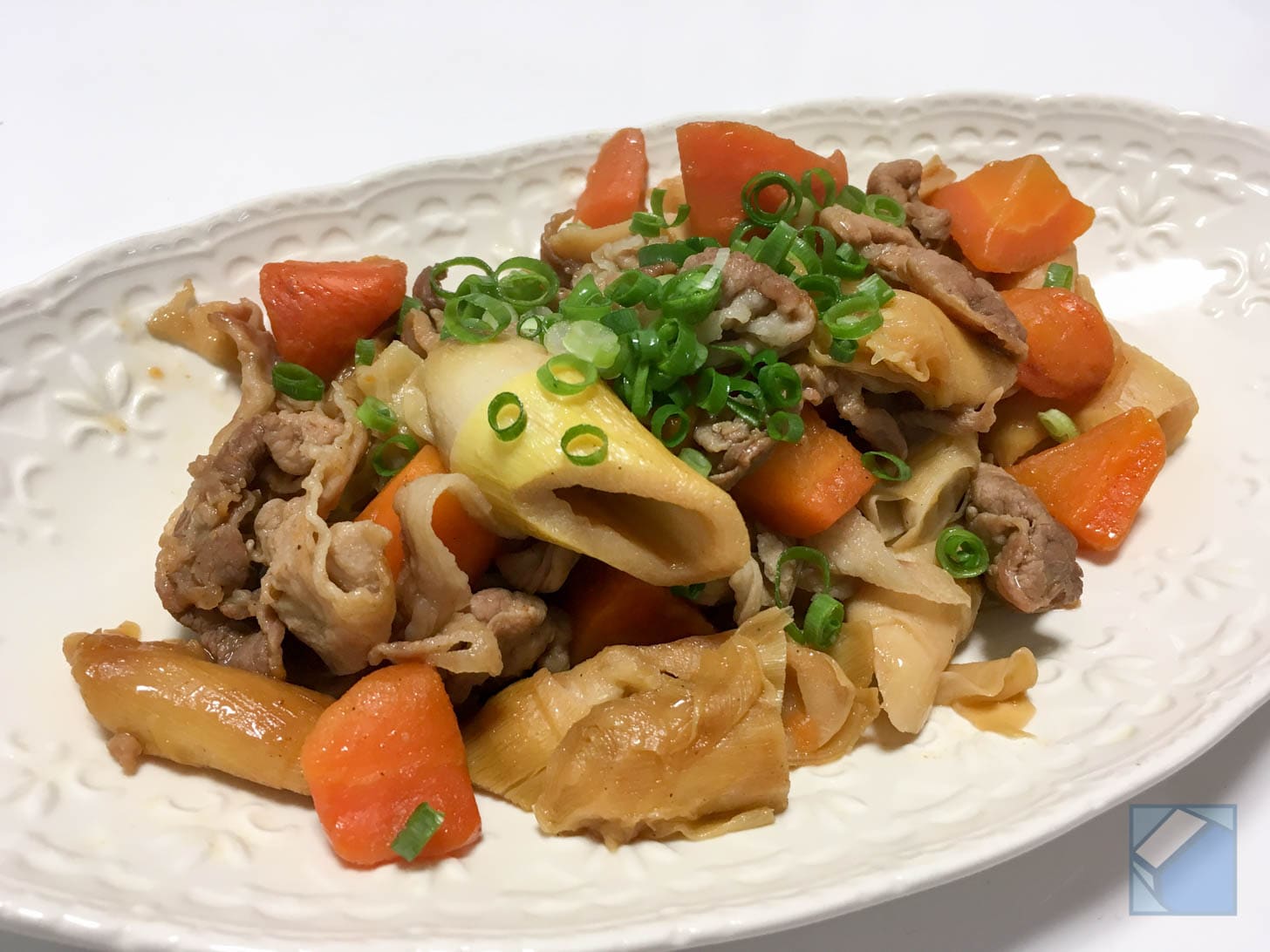
Though takenoko typically plays a supporting role, these specimens assert themselves boldly, enhancing every dish they appear in.
Final Thoughts
Currently available only during limited seasons through limited distribution channels as a premium product, but depending on future developments, they may become more widely available.
For more details, check out these pages!



Comments