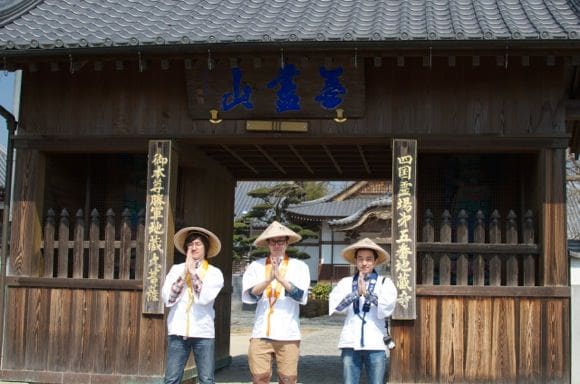
Last week, I went on a pilgrimage to the 88 temples of Shikoku.
It was a grueling 5-day journey, but we managed to visit all 88 temples and pay our respects at each main hall. (By the way, I’m not religious.)
Until I actually went, my only knowledge came from the internet and the TV show “Suiyō Dōdeshō,” but going through it myself taught me many things. This article summarizes what you should know beforehand if you’re planning to undertake the Shikoku 88 Temple Pilgrimage.
- Even Rushing, You Need a Minimum of 5 Days. Allow More Time for Proper Worship
- Pilgrimage Supplies Can Be Purchased at Temples ①Ryōzenji Through ⑥Anrakuji
- A Guidebook Is Recommended
- Mountain Roads Are Quite Treacherous. You Need a Confident Driver
- Greet Fellow Pilgrims When You Pass Them
- There’s Climbing on Foot Too. Wear Comfortable Shoes and Clothing
- Final Thoughts
Even Rushing, You Need a Minimum of 5 Days. Allow More Time for Proper Worship
We rented a car locally and visited all 88 temples, but 5 full days was barely enough.
We typically started around 6 AM and continued until sunset, sometimes even going a bit past dark. During that time, we made detours other than temples only for lunch and a few other spots. At each temple, we only paid respects at the main hall and took photos and videos.
If you want to properly chant sutras and follow formal worship procedures, you should plan a more generous schedule. Around 10 days seems to be standard.
By the way, on foot, even walking 30km per day takes about 40 days. Unless you have plenty of time (like after retirement) and are deeply religious, it would be difficult to complete.
Pilgrimage Supplies Can Be Purchased at Temples ①Ryōzenji Through ⑥Anrakuji
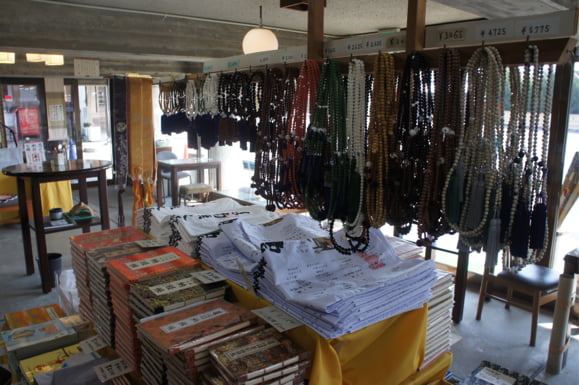
When undertaking the Shikoku 88 Temple Pilgrimage, you’ll want to prepare some pilgrimage gear. I wondered where to buy these items, but they’re available at temples from the first temple, Ryōzenji, up to around the sixth temple, Anrakuji.
(The lineup varies slightly by temple, and items tend to be slightly cheaper at later temples, so choose according to your preference.)
You can fully outfit yourself, but for those who want something modest, I recommend the combination of sugegasa (conical pilgrim hat), hakue (white vest), and wagesa (colored stole worn around the neck).

The white vest and sugegasa hat alone look decent, but adding a colored wagesa in blue or orange really completes the look nicely. I was somewhat tempted by the kongōzue (walking staff), but decided against it considering the hassle of taking it home.
A Guidebook Is Recommended
You can navigate to the temples using car navigation or smartphone GPS. However, it’s still good to have a guidebook specifically for the Shikoku 88 Temple Pilgrimage.
The reason is that guidebooks contain useful compiled information about parking lot locations, challenging mountain roads along the route, rest stops, and tourist attractions. I recommend using the guidebook to plan your general route and stops, then using GPS while driving.
Mountain Roads Are Quite Treacherous. You Need a Confident Driver
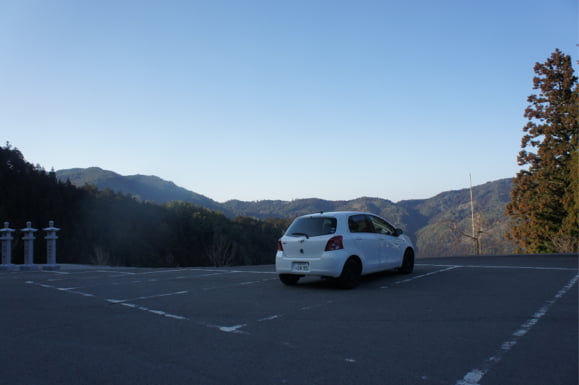
Many temples are located on mountaintops, and the mountain roads leading to them are quite treacherous. Roads that are clearly only one lane wide yet have oncoming traffic, incredibly winding switchback mountain paths, roads without guardrails where you don’t want to imagine what happens if you fall off… The driving is quite challenging, so be prepared.
It’s preferable to have multiple drivers with some experience and confidence. It might be too much for someone who rarely drives. Seriously, these are some incredible roads unlike anything you’ve experienced before.
Greet Fellow Pilgrims When You Pass Them
As you visit the temples, you’ll encounter many pilgrims (often older folks). While you wouldn’t normally greet strangers passing by in the city, here you’re fellow pilgrims visiting the same 88 temples.
Please greet them with a friendly “Hello!” (Even if you’re not conscious of it, other pilgrims greet each other, so you’ll naturally feel inclined to do the same.)
Sometimes a simple greeting leads to a pleasant conversation – that’s part of the charm.
There’s Climbing on Foot Too. Wear Comfortable Shoes and Clothing
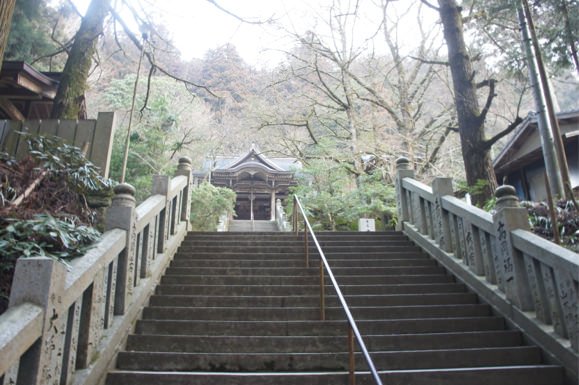
Getting from parking lots to main halls involves climbing stairs and walking mountain paths. Some temples require quite a bit of walking, so I recommend preparing comfortable shoes like sneakers and appropriate clothing.
Final Thoughts
The Shikoku 88 Temple Pilgrimage is quite challenging and time-consuming, but precisely because of that, planning with friends and chatting while making the rounds is enjoyable and gives a great sense of accomplishment.
If you’re thinking about doing this pilgrimage, please use this article as a reference!

Comments