The Tateyama Kurobe Alpine Route, a world-class mountain tourism route that crosses the Northern Alps from Tateyama Station in Toyama Prefecture to Ogizawa Station in Nagano Prefecture.

Transferring between trains, cable cars, trolley buses, and ropeway cars while enjoying the vast natural beauty of the Northern Alps. Walking across the famous Kurobe Dam. The changing seasonal landscape is another highlight.
I previously traveled this Alpine Route round-trip, so here’s my report. (I visited in early October 2015)
The spectacular views from mountain peaks, mountains tinged in red and yellow—it was full of wonderful scenery!
- Starting from Tateyama Station, the Toyama-Side Entry Point, via Dentetsu Toyama Station Near Toyama Station
- Ascending via Cable Car and Bus from Tateyama Station
- Murodo’s High Elevation Brings Cold, But Exceptional Views! From Daikaenbou to Kurobe Daira
- Even on Clear Days, Evening Lighting at Kurobe Daira-Kurobe Lake Isn’t Ideal. Morning Visits Recommended
- Overnight Stay at Omachi Onsen Area on the Nagano Side
- Returning to Kurobe Lake – Morning Sunshine Reveals Panoramic Alpine Treasures
- Final Thoughts
Starting from Tateyama Station, the Toyama-Side Entry Point, via Dentetsu Toyama Station Near Toyama Station
The starting point is Dentetsu Toyama Station, located right next to Toyama Station.
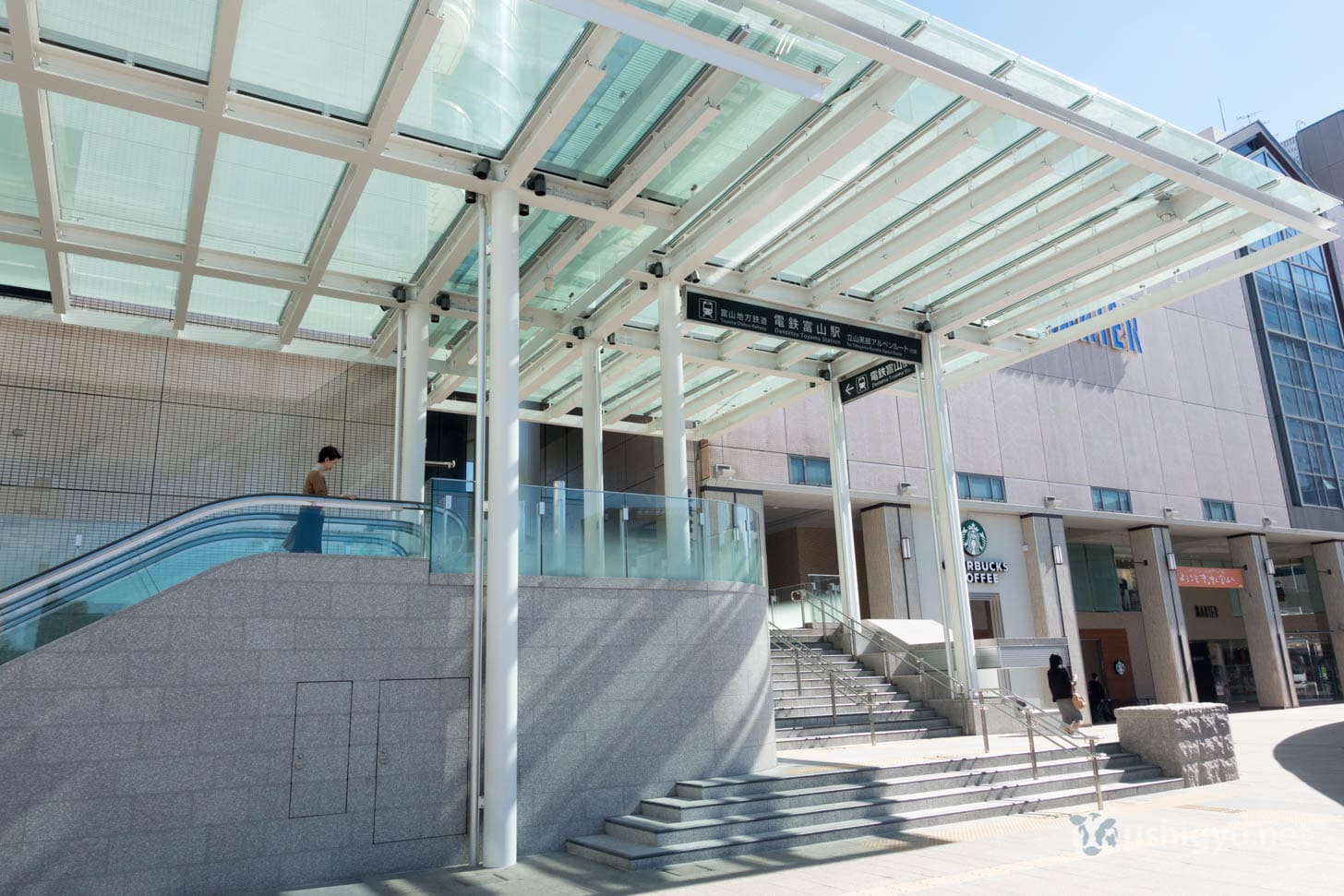
This is the terminal station of the Toyama Chiho Railway line, serving as the Toyama-side entry point to the Tateyama Kurobe Alpine Route at Tateyama, and also providing access to Unazuki Onsen, where you can ride the Kurobe Gorge Railway trolley train.
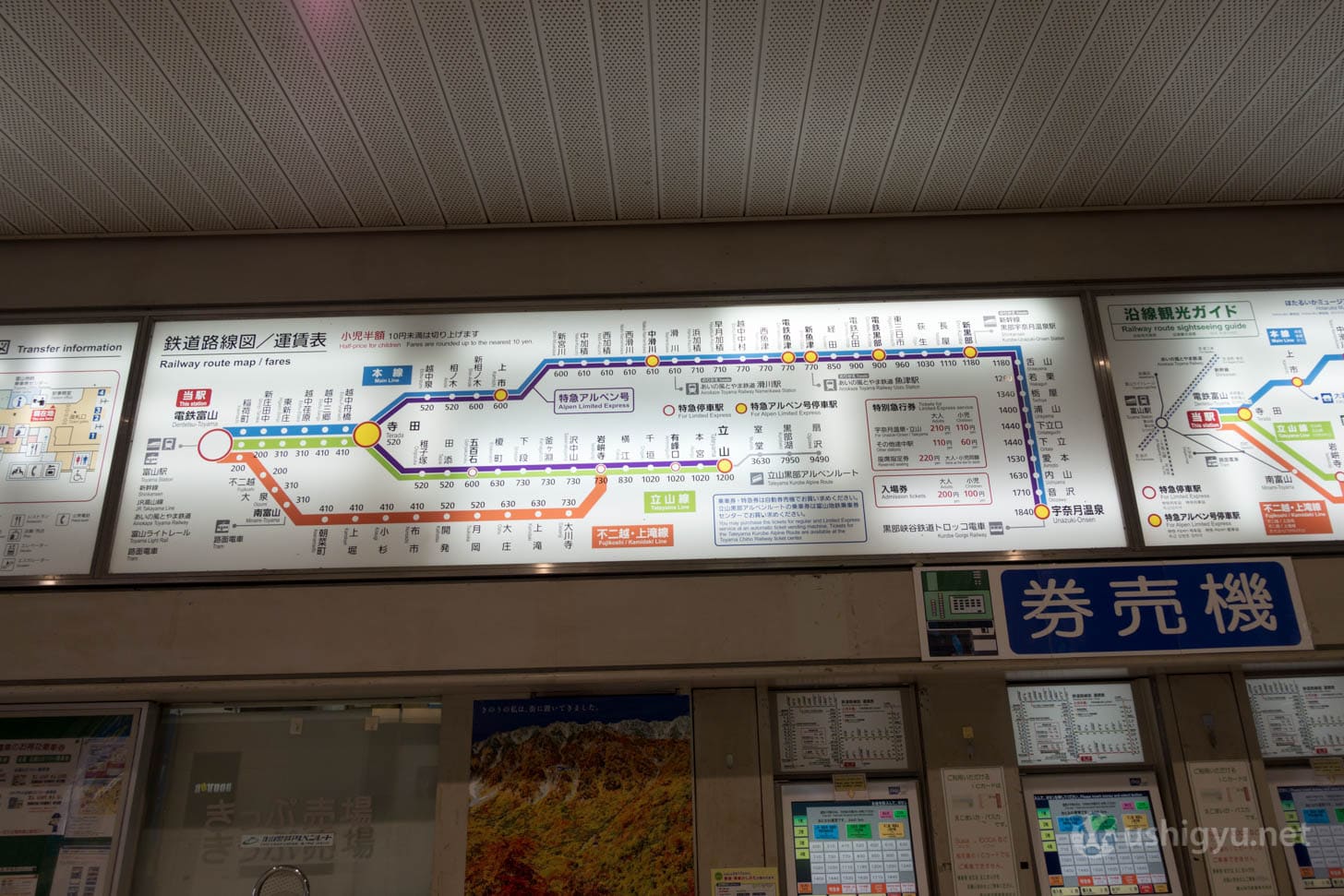
Two retro electric trains were parked at the small platform.
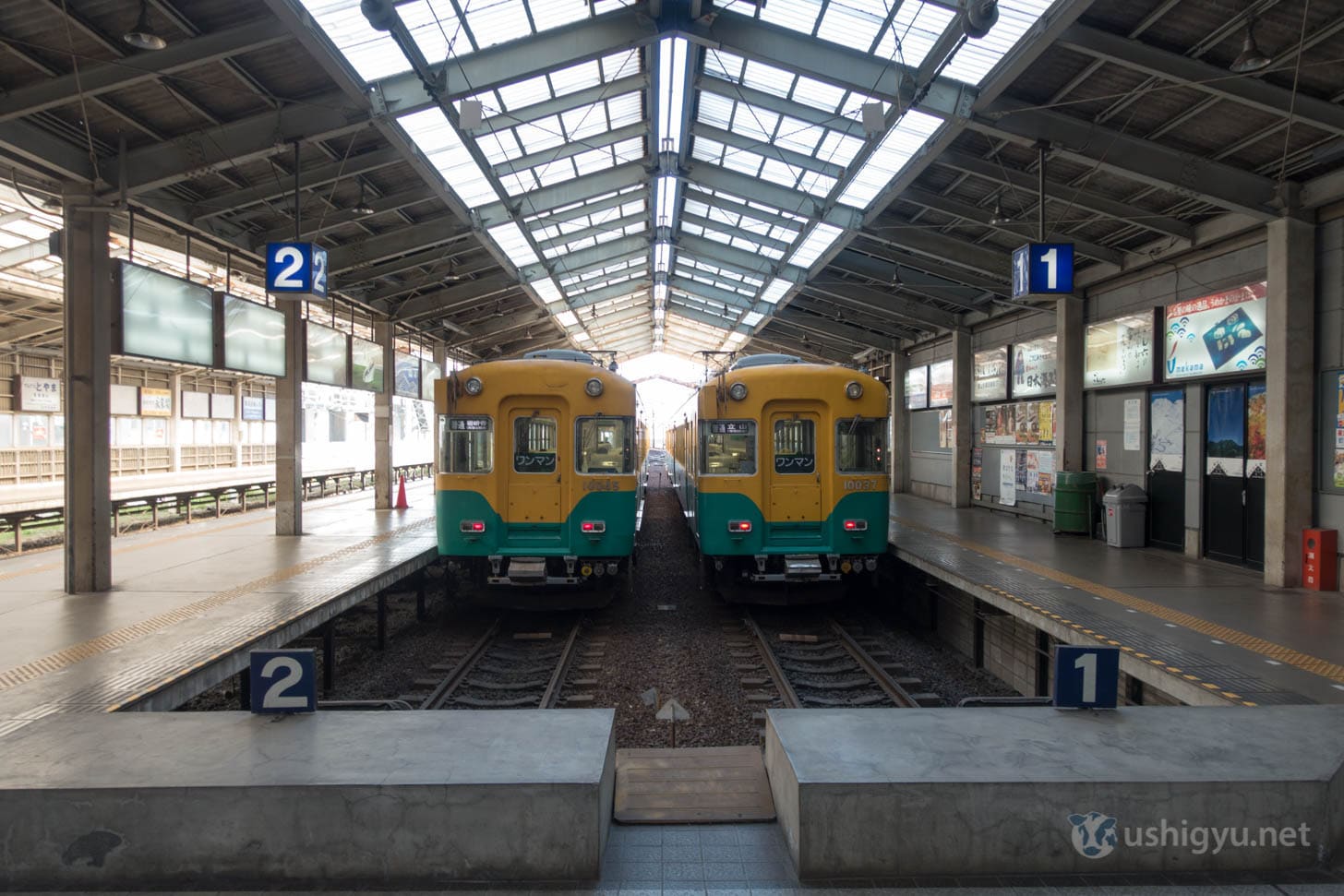
Boarding this train, I headed straight to Tateyama Station. The journey from Toyama Station takes about 1 hour.
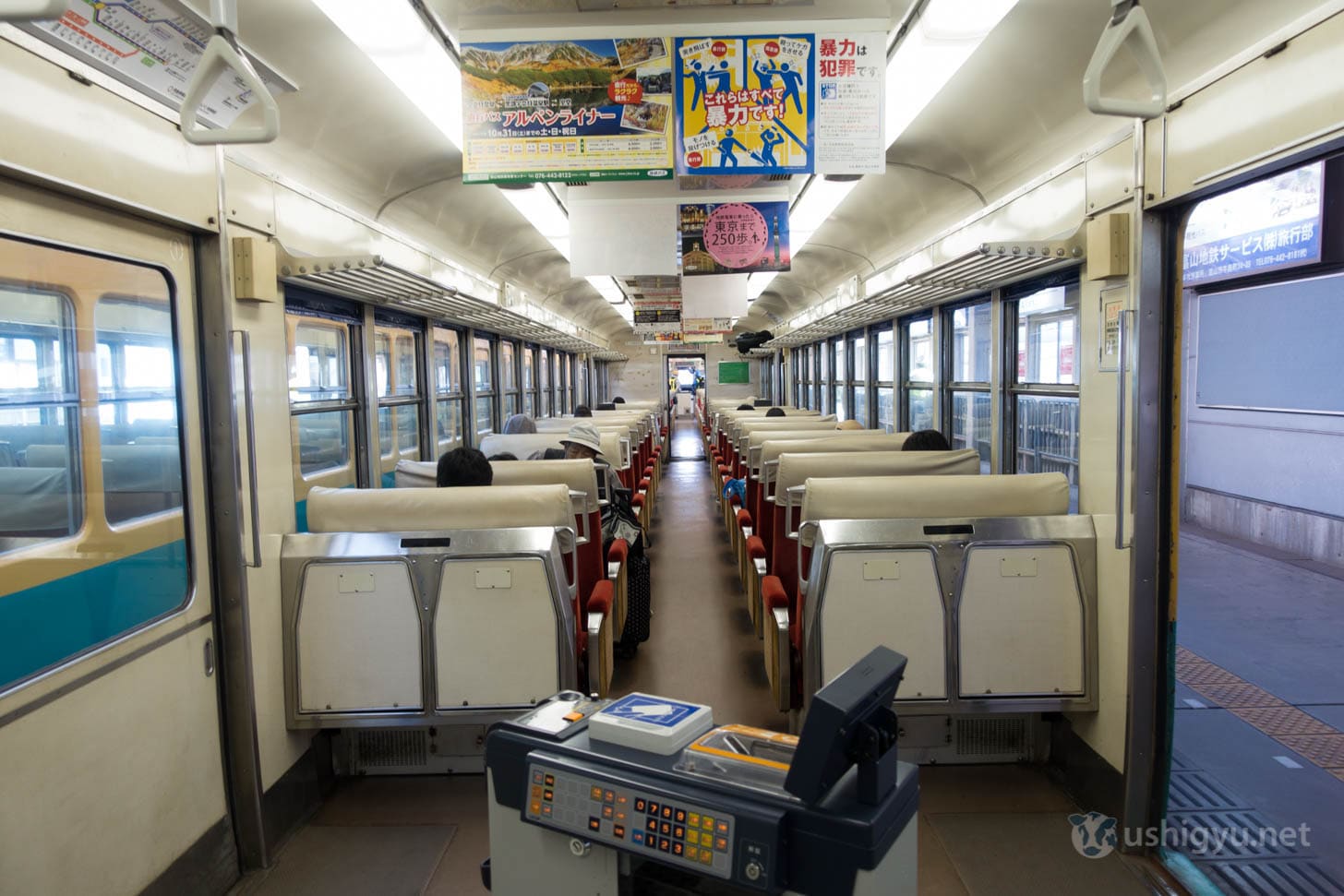
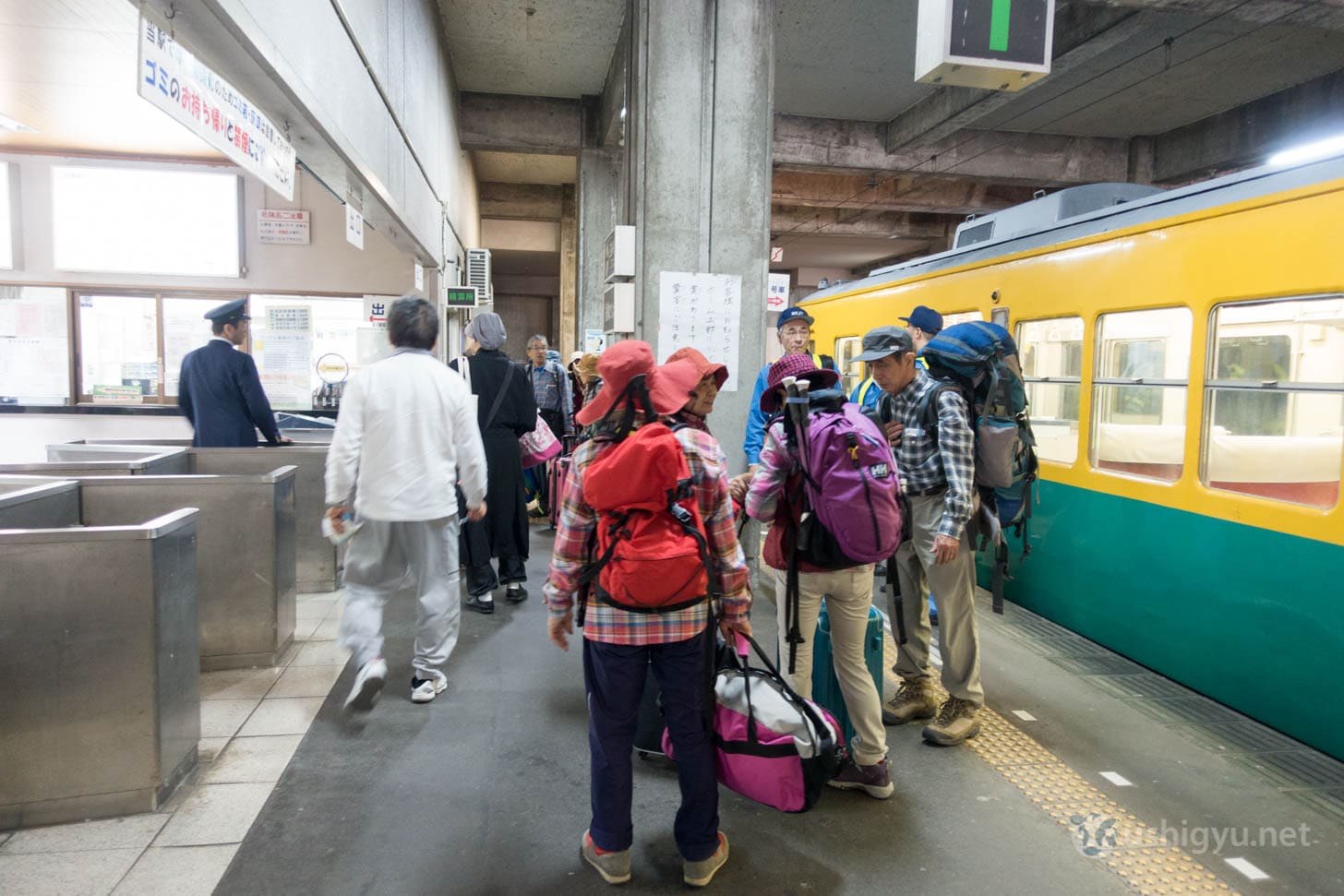
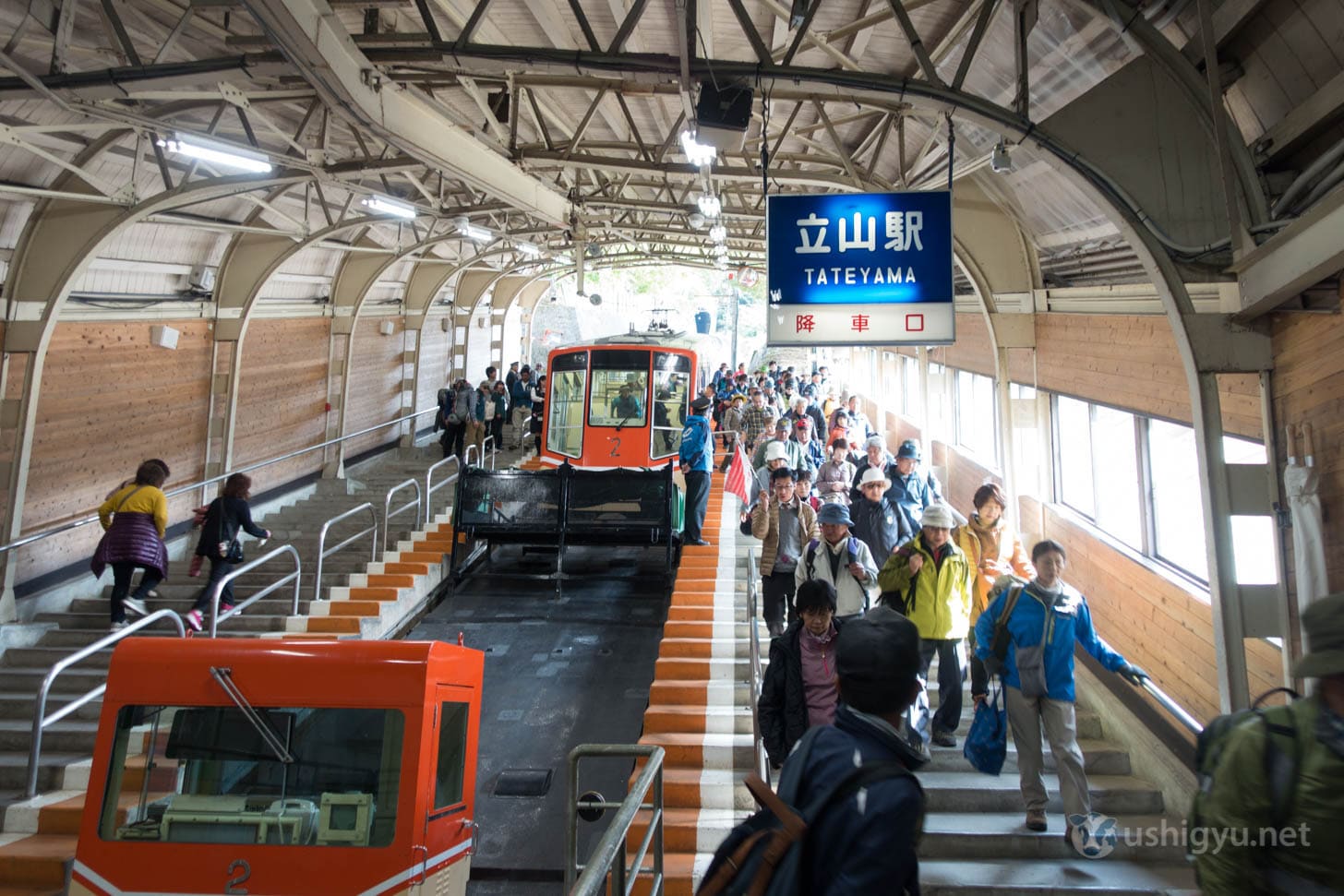
Arrived at Tateyama Station! Hikers and mountain climbers streamed off the train.
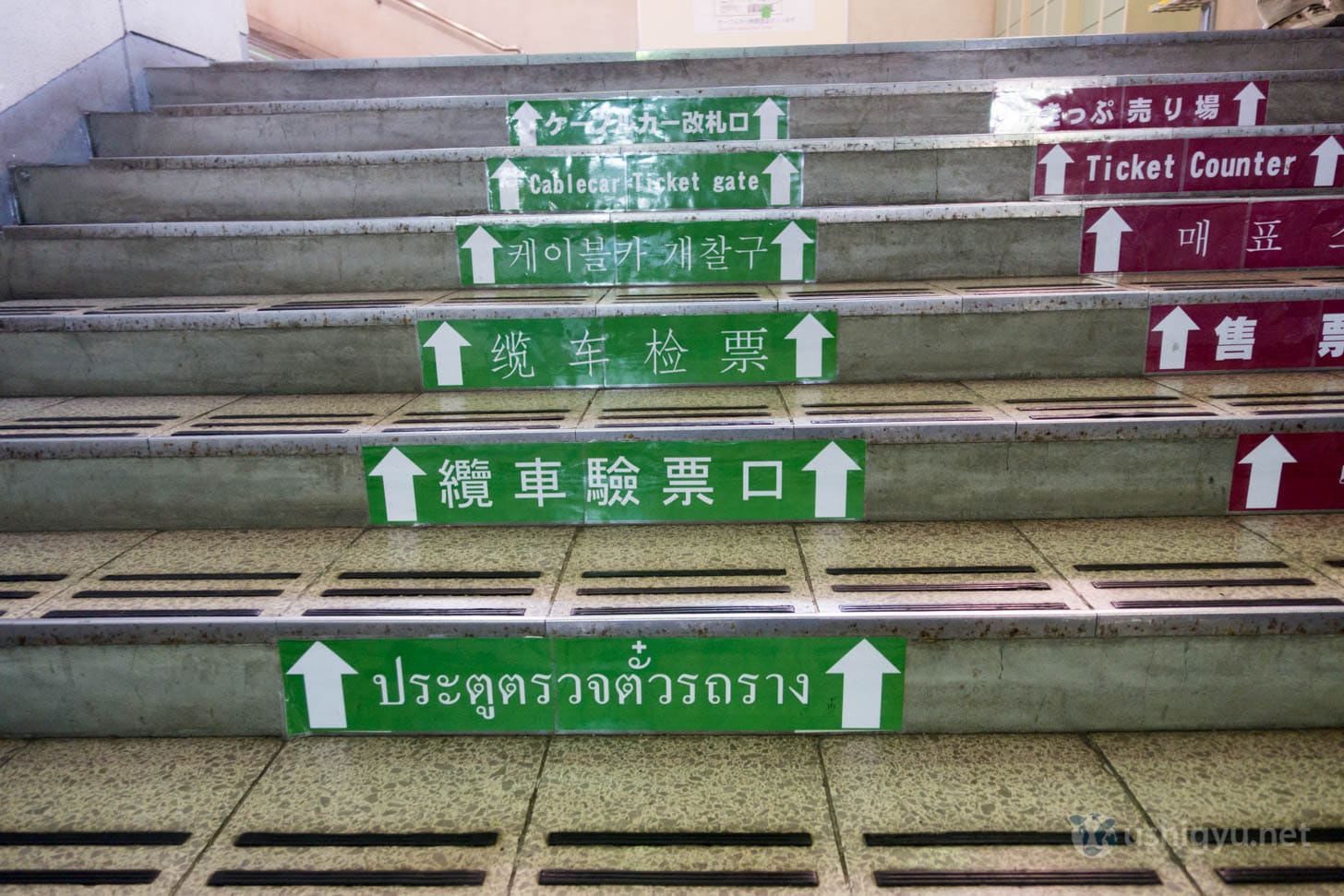
There are also many international tourists, and the station stairs already display signage in Japanese, English, Korean, simplified and traditional Chinese, and even Thai.
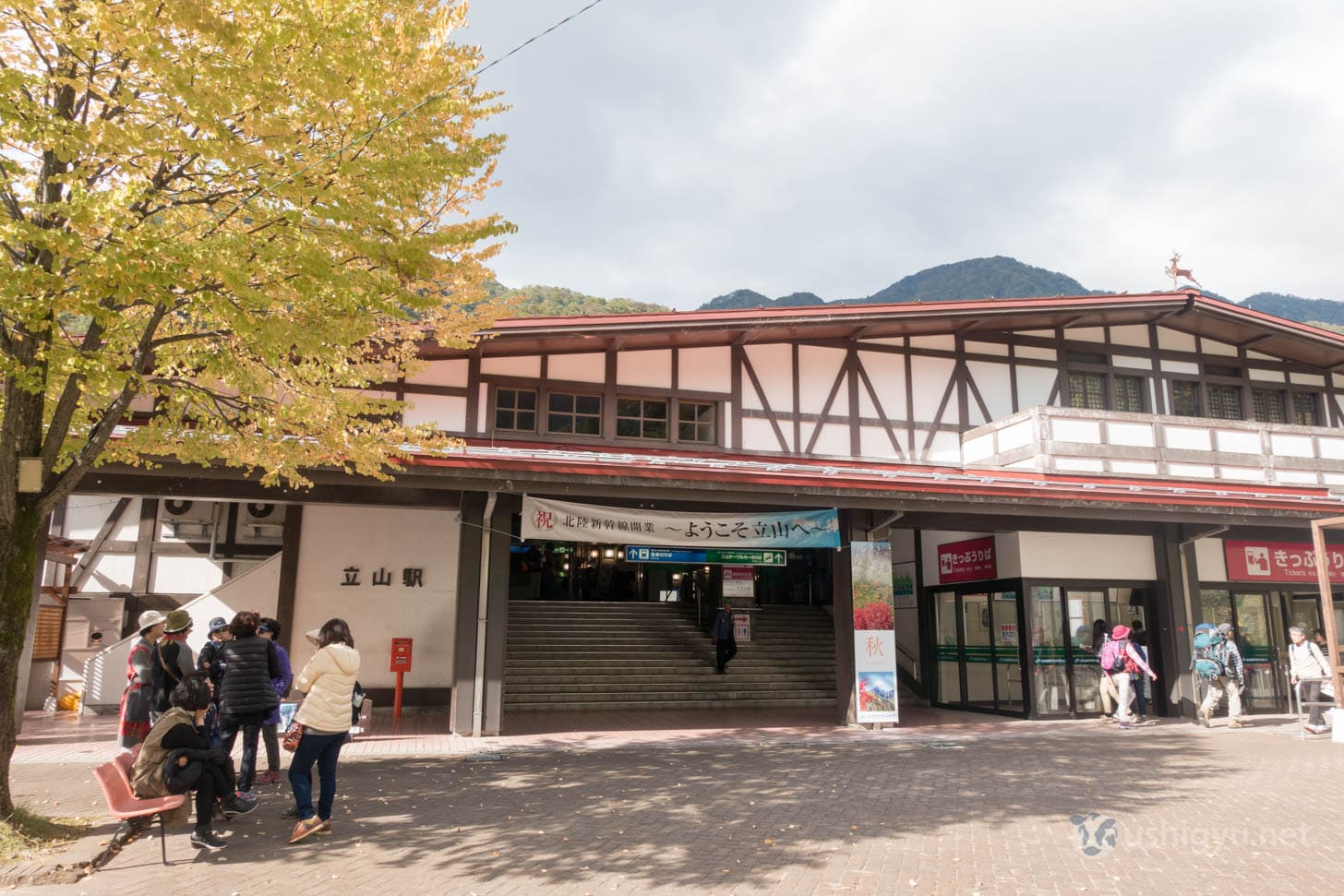
Despite being a weekday, Tateyama Station was crowded with visitors. Surrounded by trees tinged yellow, the scenery was already impressive at this point.
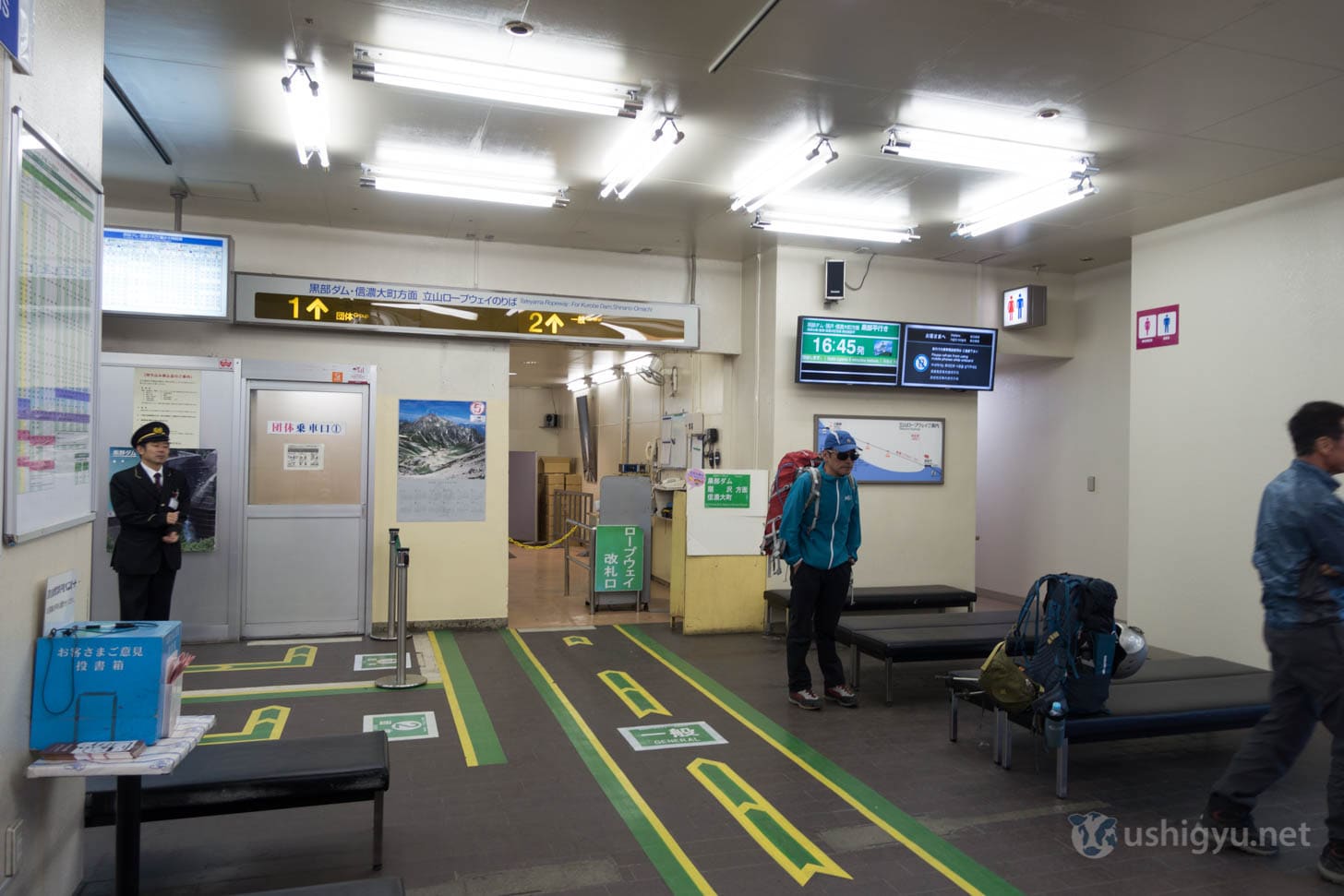
Ascending via Cable Car and Bus from Tateyama Station
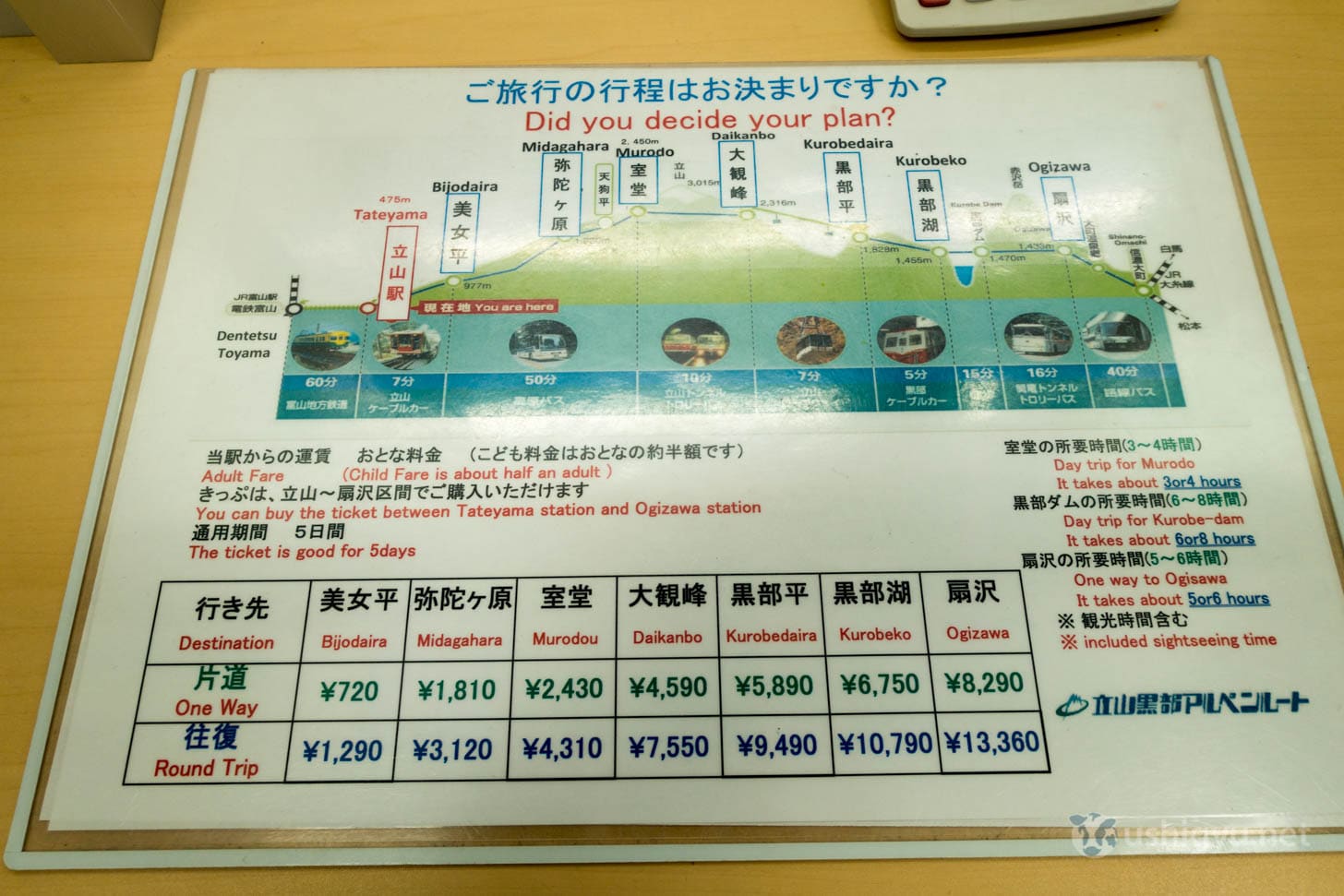
At the ticket office, I purchased a round-trip ticket to the final destination, Ogizawa (¥13,360).
Though called a “round-trip,” it’s not simply going and returning—it’s a long journey transferring between cable cars, buses, trolley buses, and ropeway cars.
Got the ticket! “TATEYAMA EKI”
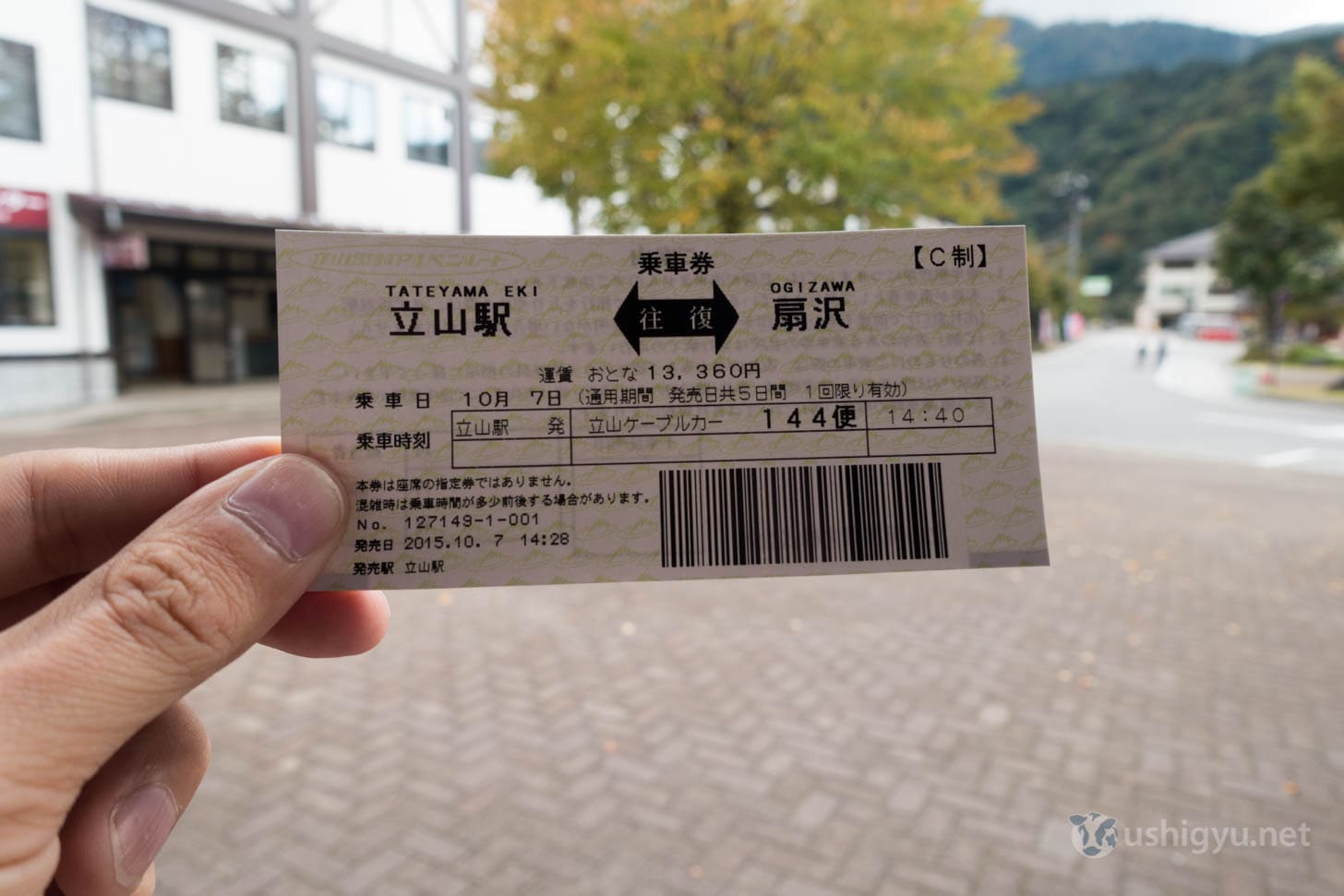
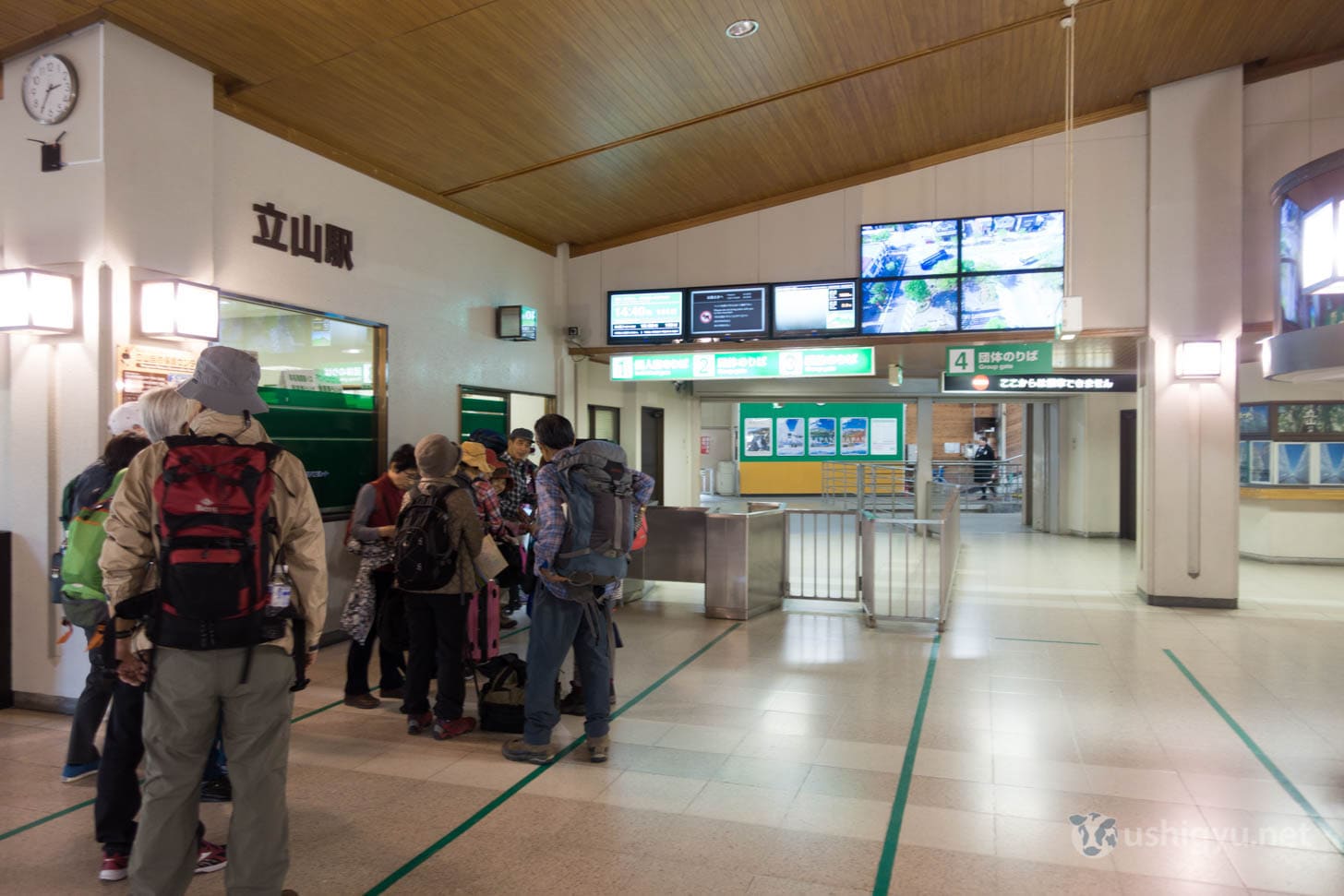
Starting here! I was dressed light in just a hoodie, but others appeared quite serious about mountain climbing.
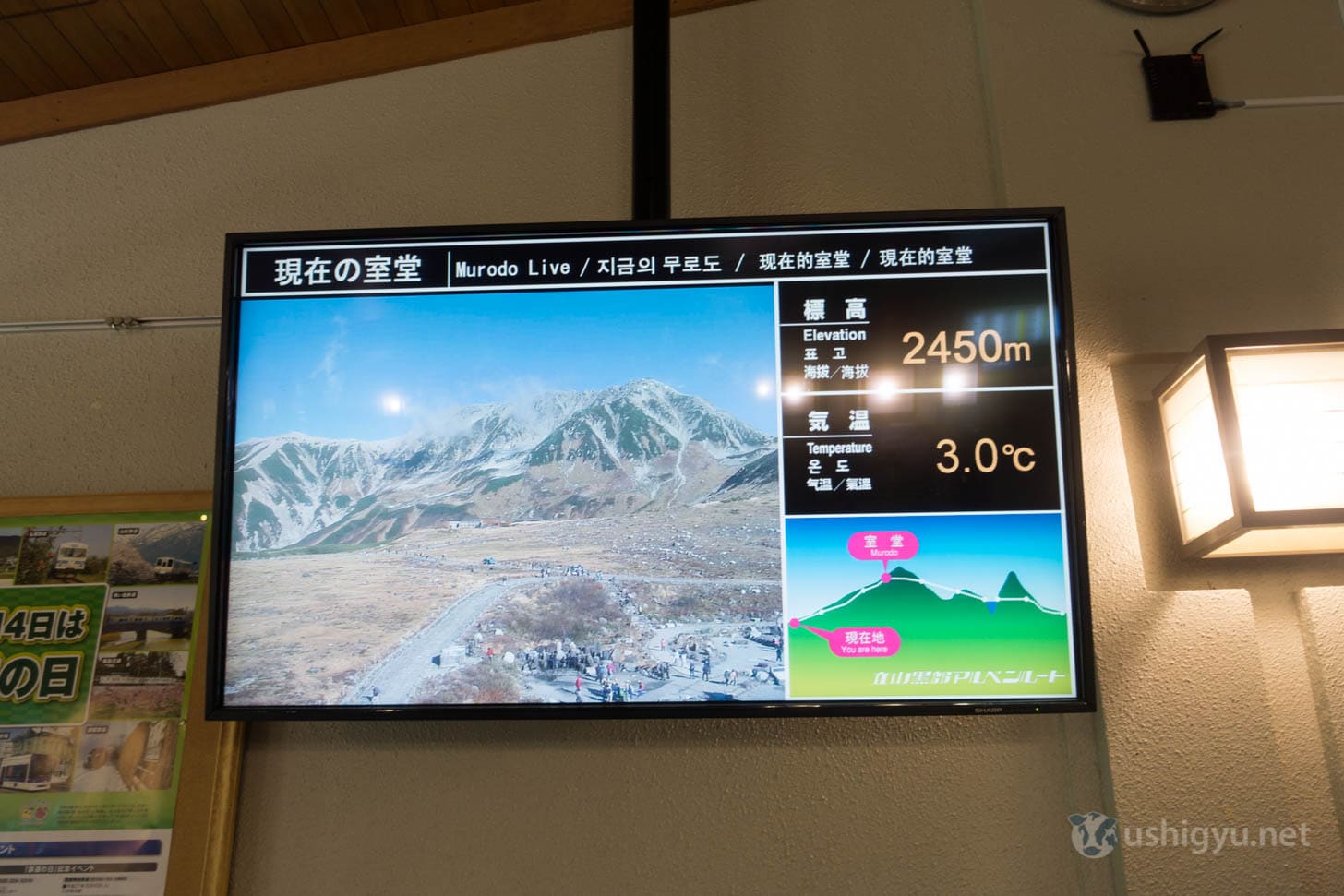
Checking the signage… wait, 3°C? That cold…? Though I wasn’t planning to climb, maybe I should have dressed warmer.
While pondering this, the first cable car arrived. I boarded immediately.
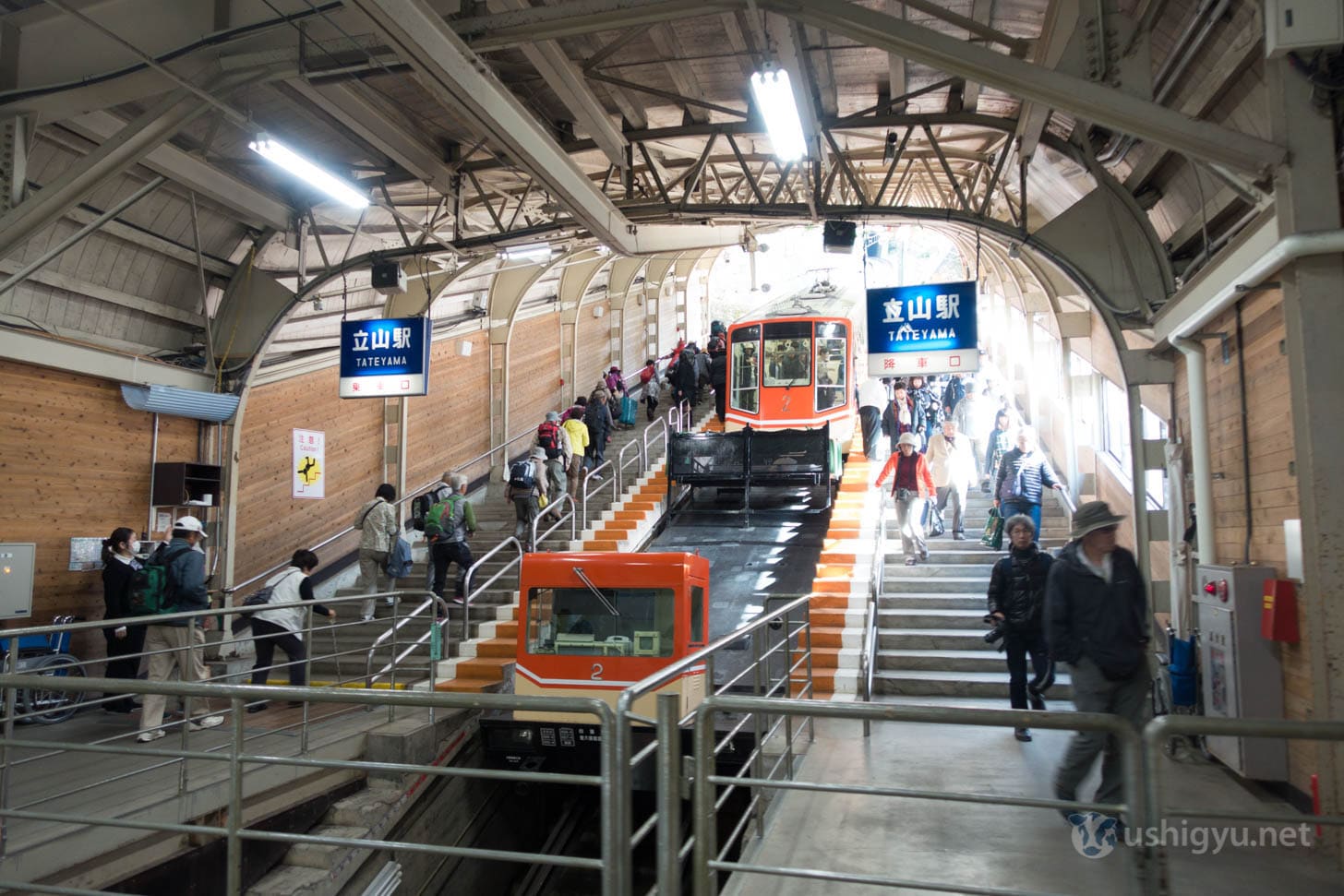
The vehicle itself is angled along the slope, so the seating is characteristically tiered like stairs.
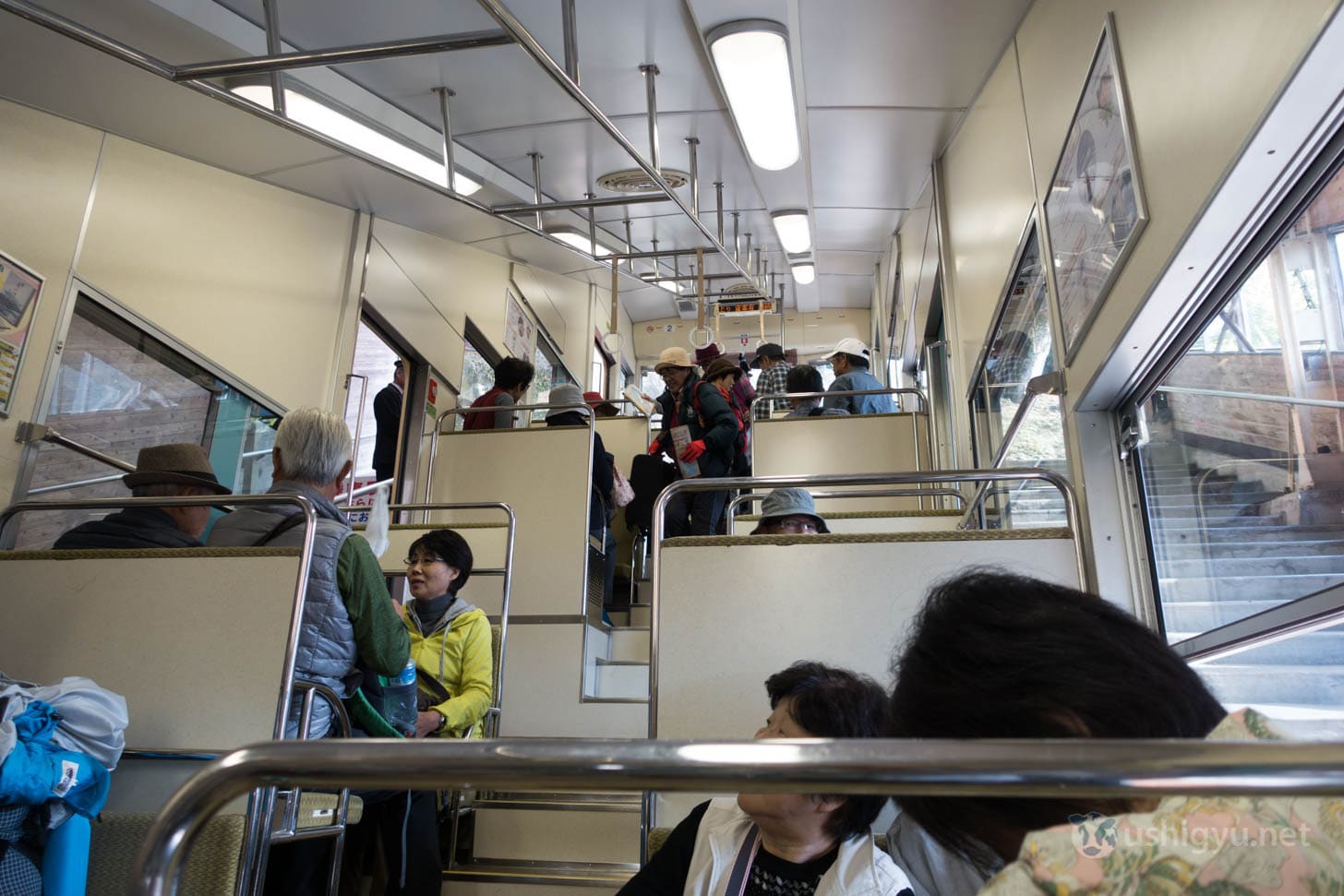
The cable car, carrying many passengers, powerfully climbs a slope that would be impossible to walk up.
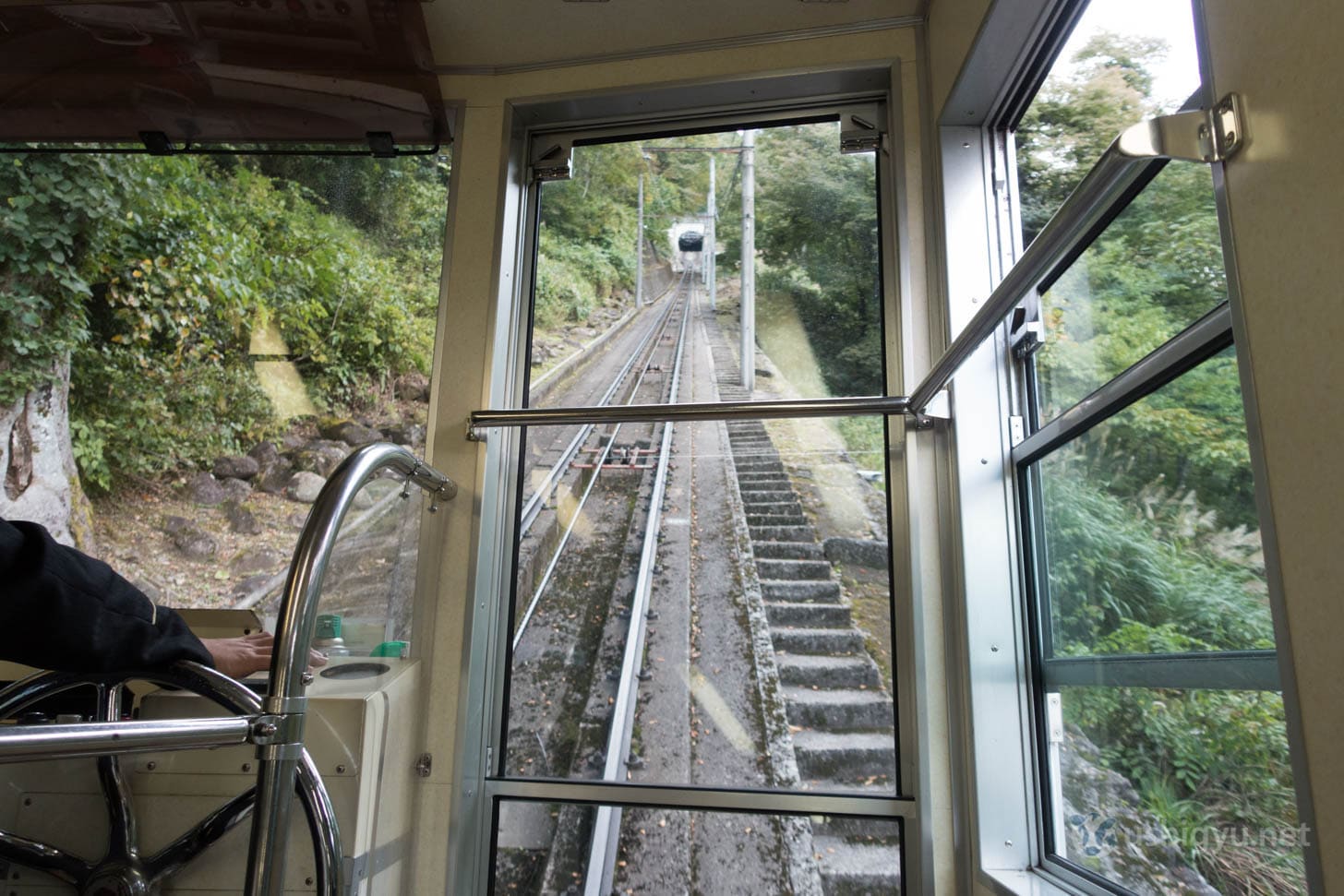
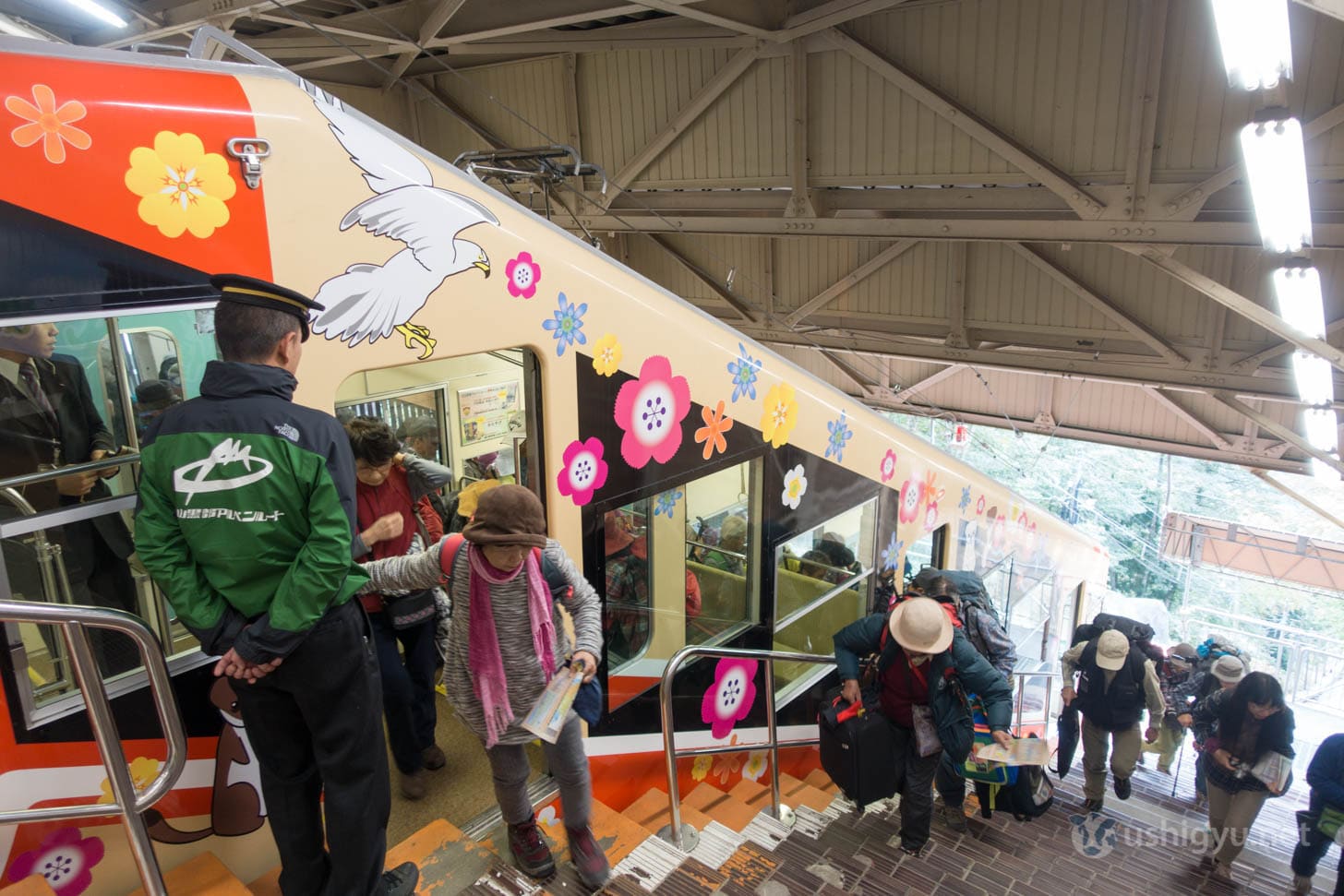
In less than 10 minutes, we arrived at Bijodaira. At 475m elevation for Tateyama Station versus 977m for Bijodaira, the cable car had ascended about 500m.
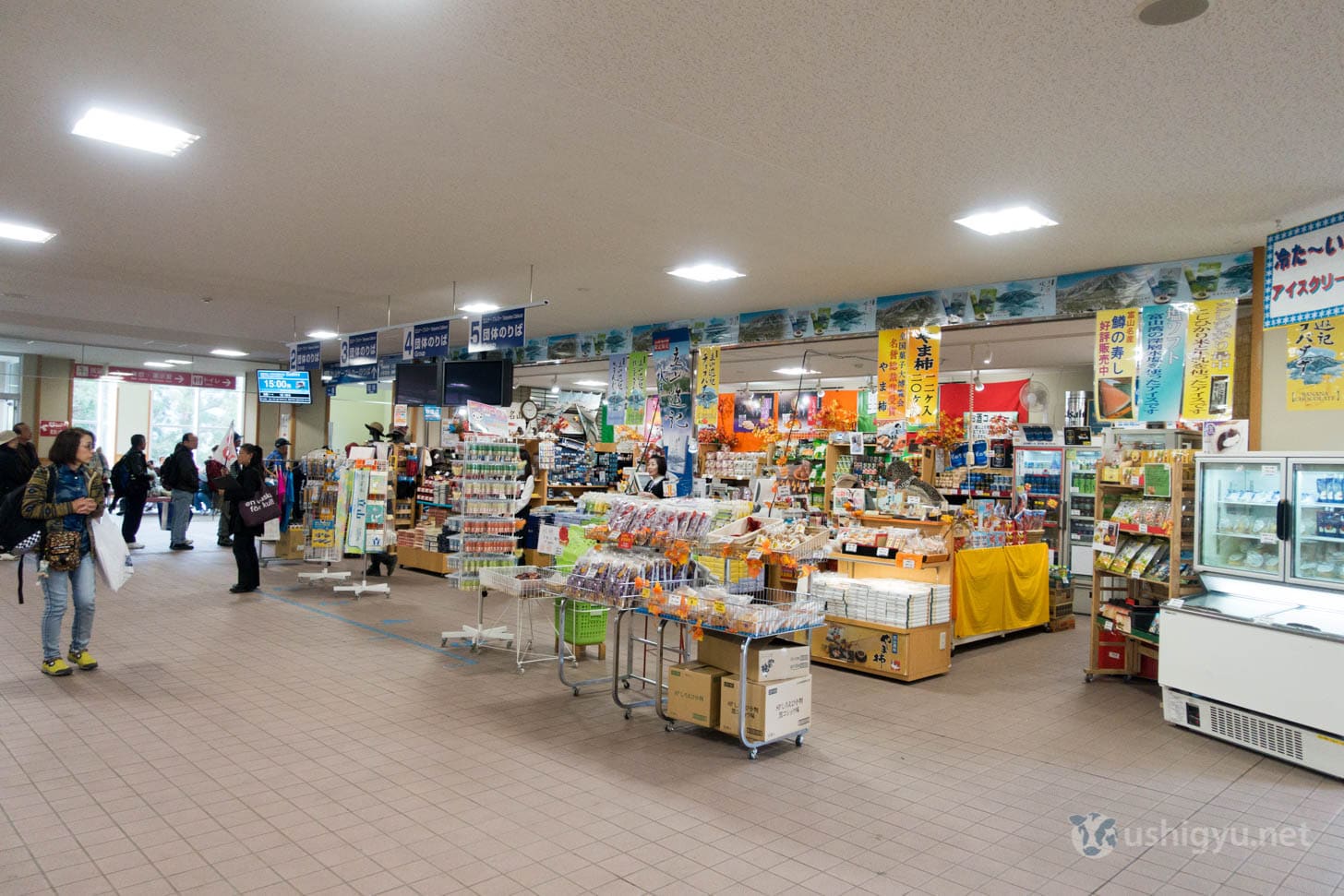
The station had a fairly large souvenir shop and was quite lively.
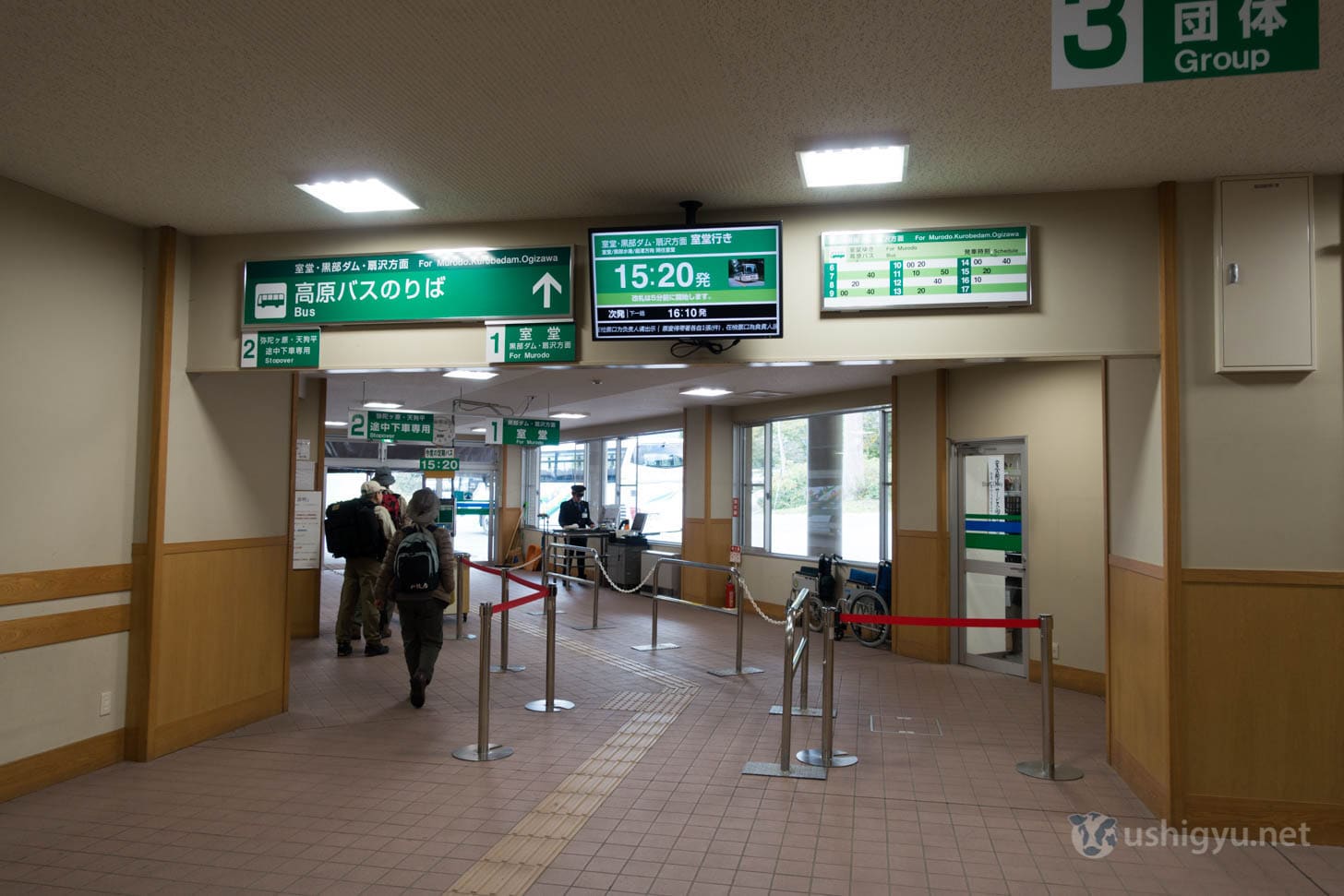
Next, I boarded a high-speed bus heading to Murodo via Midagahara.
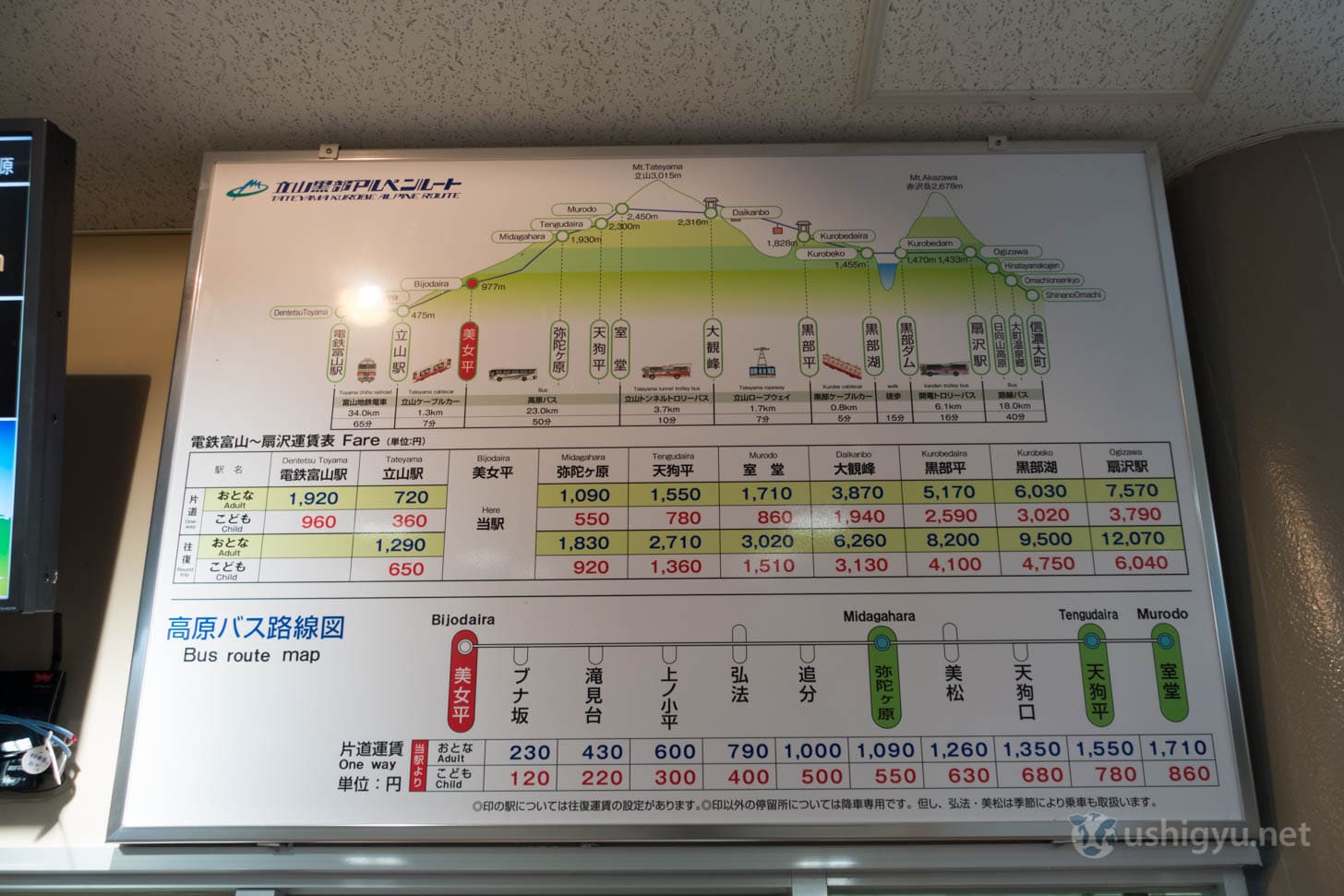
Along the route, there are scenic viewpoints, walking trails, hotels, and various bus stops. The 23km, approximately 50-minute journey is quite long.
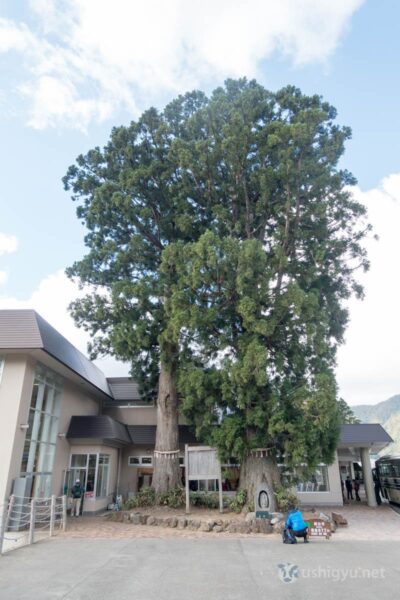
Before that, I took a moment to observe the Bijosugis (beautiful cedar trees) standing beside Bijodaira Station. These are truly magnificent trees!
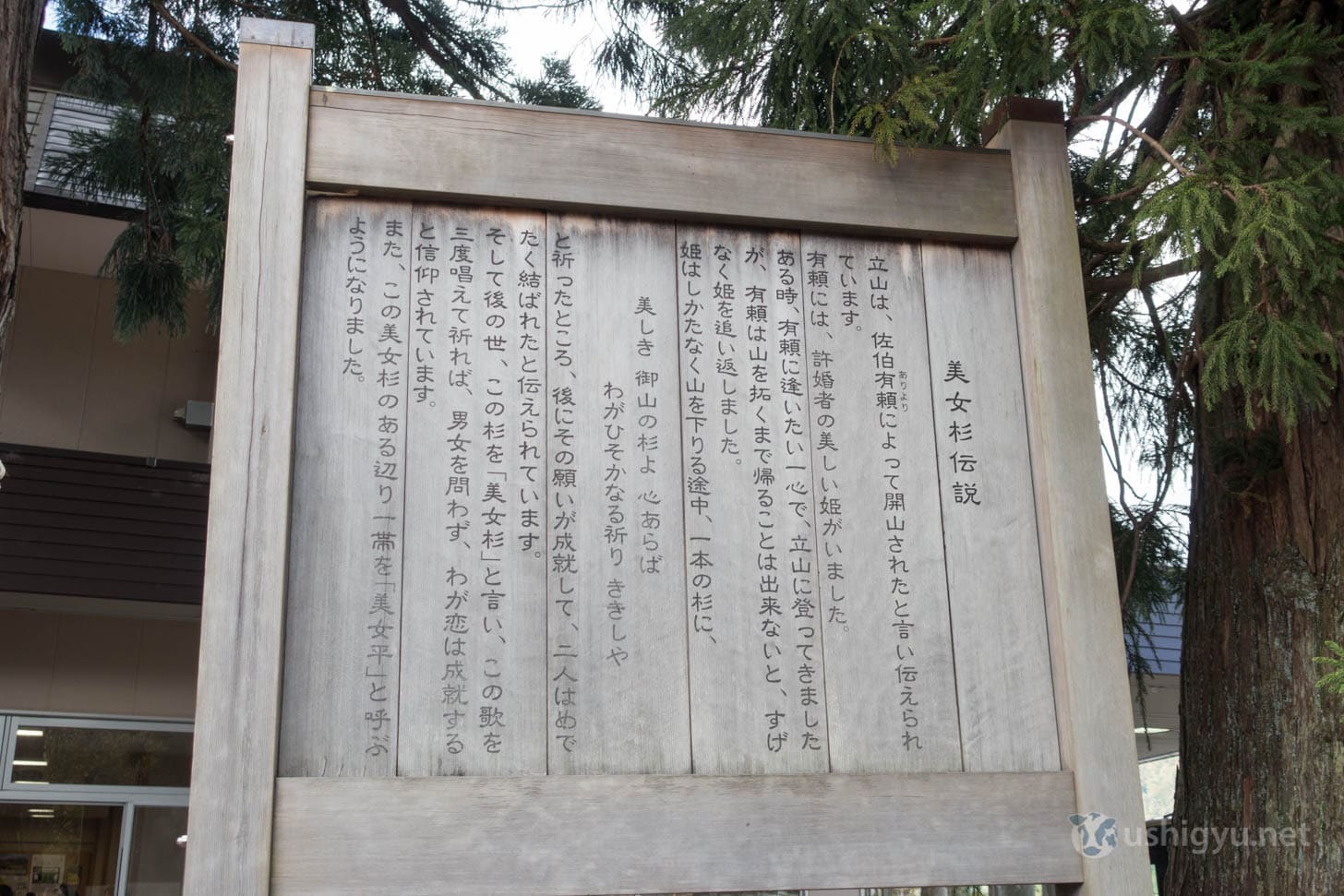
“Beautiful cedar of the sacred mountain, if you have a heart, did you hear my secret prayer?” Chanting this poem three times is said to grant love to anyone, regardless of gender.
Three times? The legend creator could have lowered the bar a bit.
Next, boarding the bus. Before and after this section feature cable cars or trolley buses with their own special characteristics, but this appears to be an ordinary tour bus.
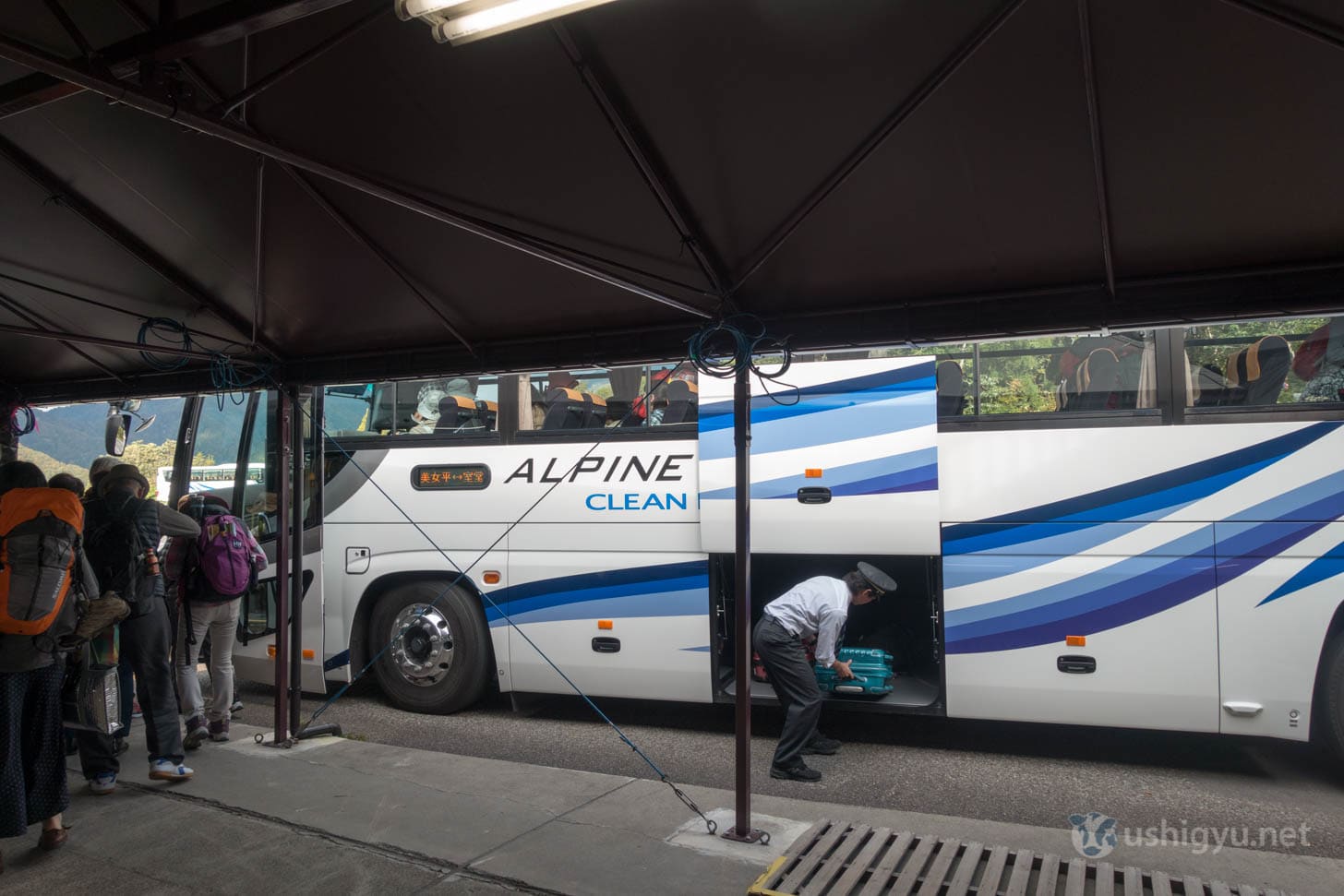
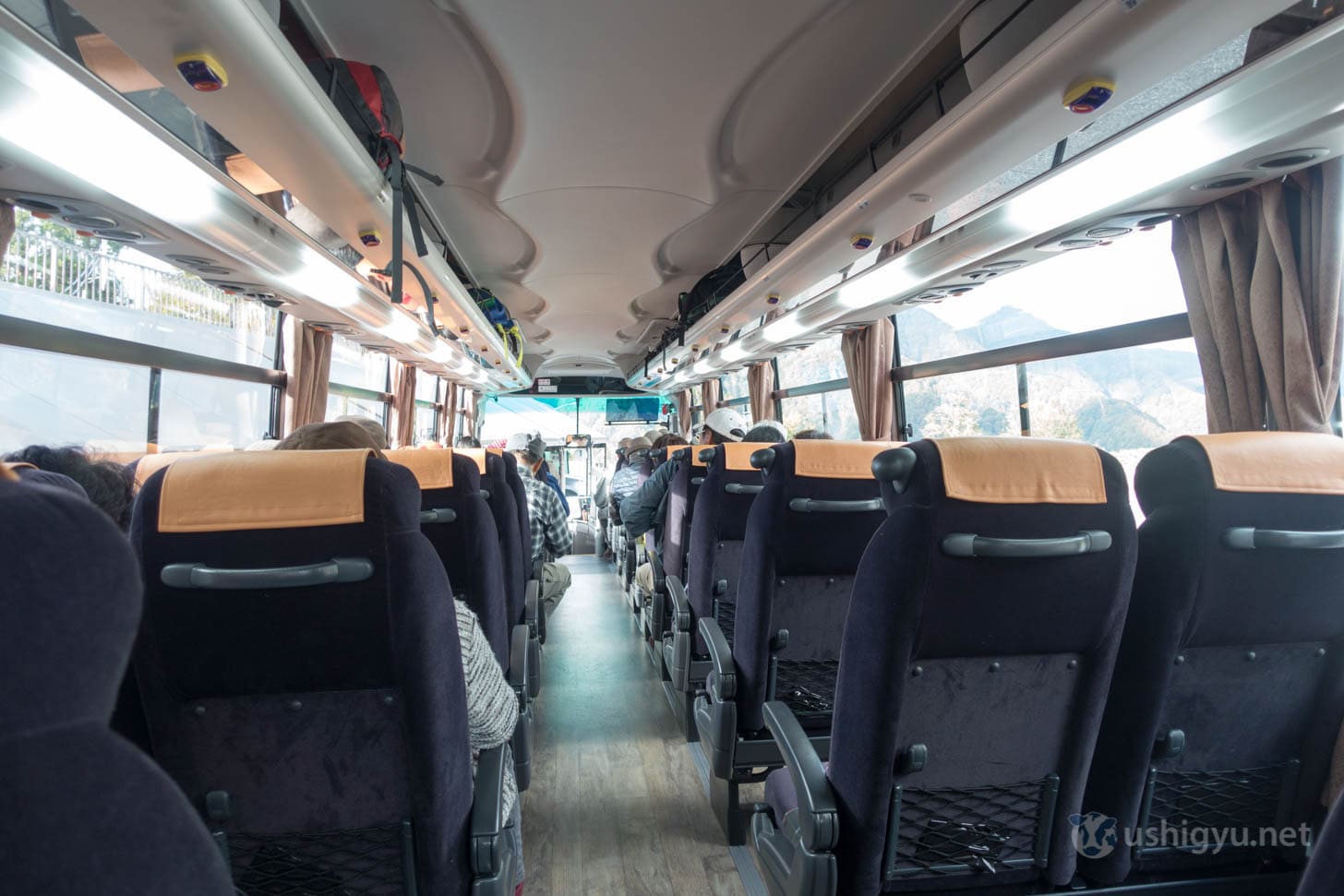
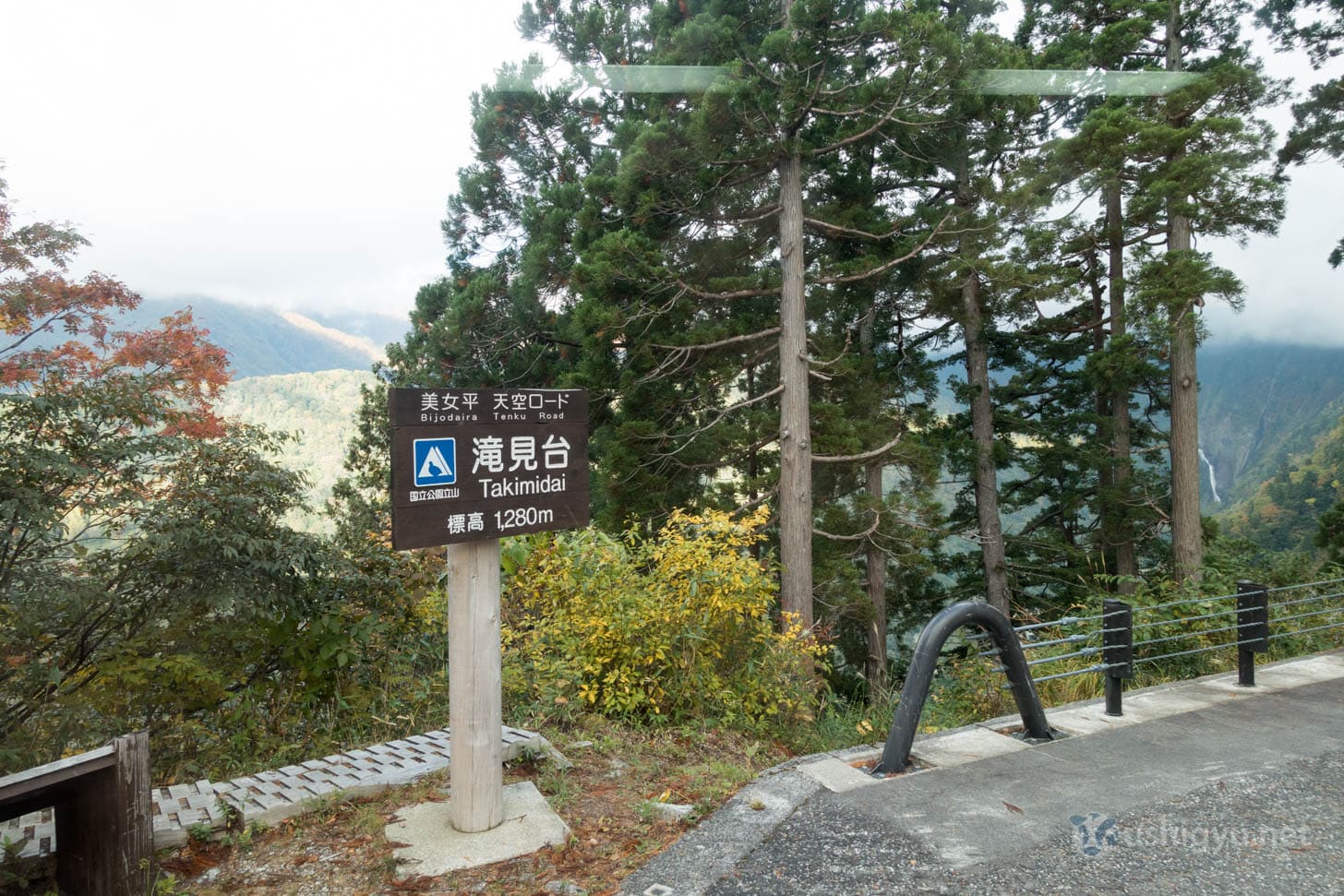
One highlight along the route is Takimidai (waterfall viewing platform), where a distant waterfall is visible. I didn’t capture it well, so please see it in person!
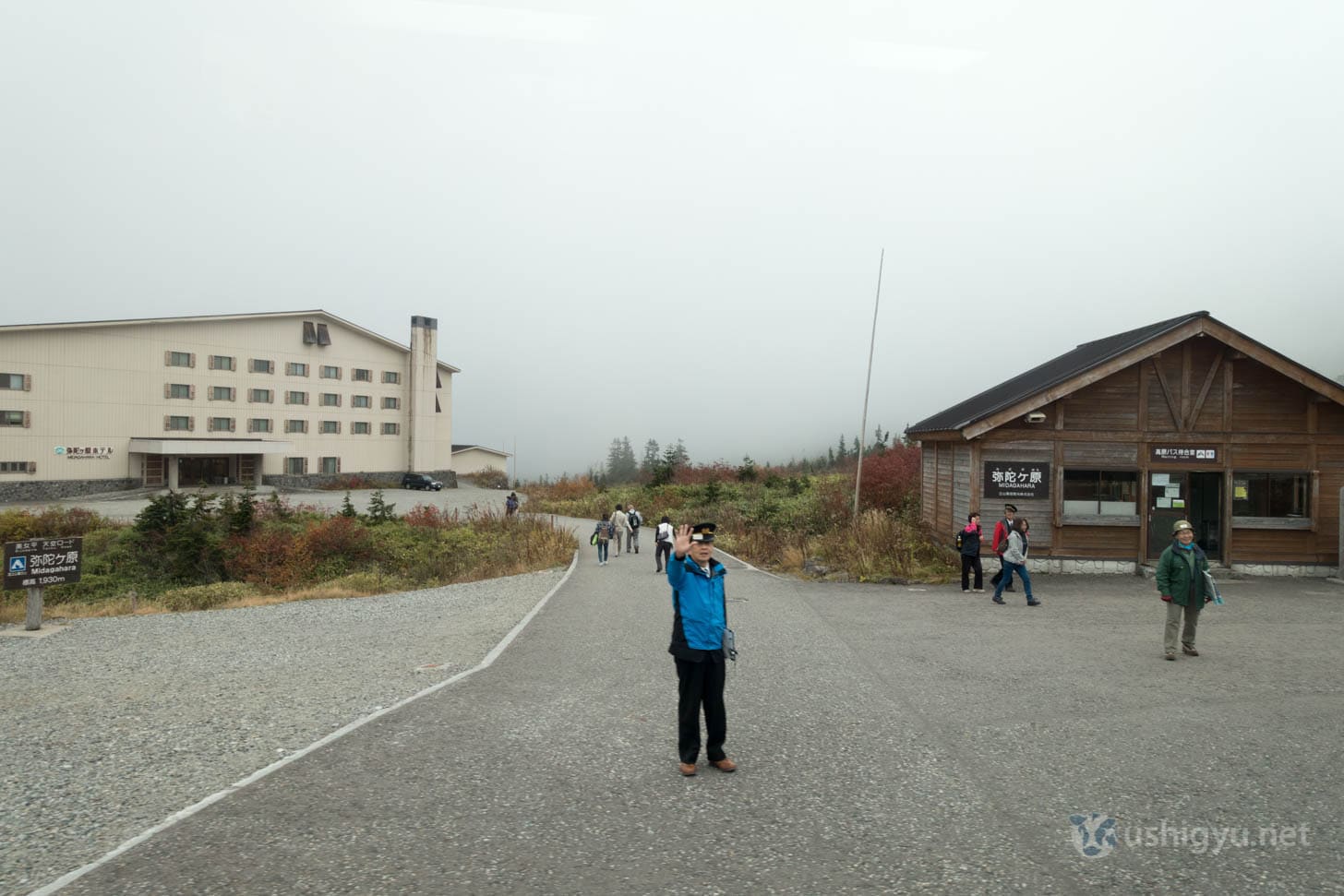
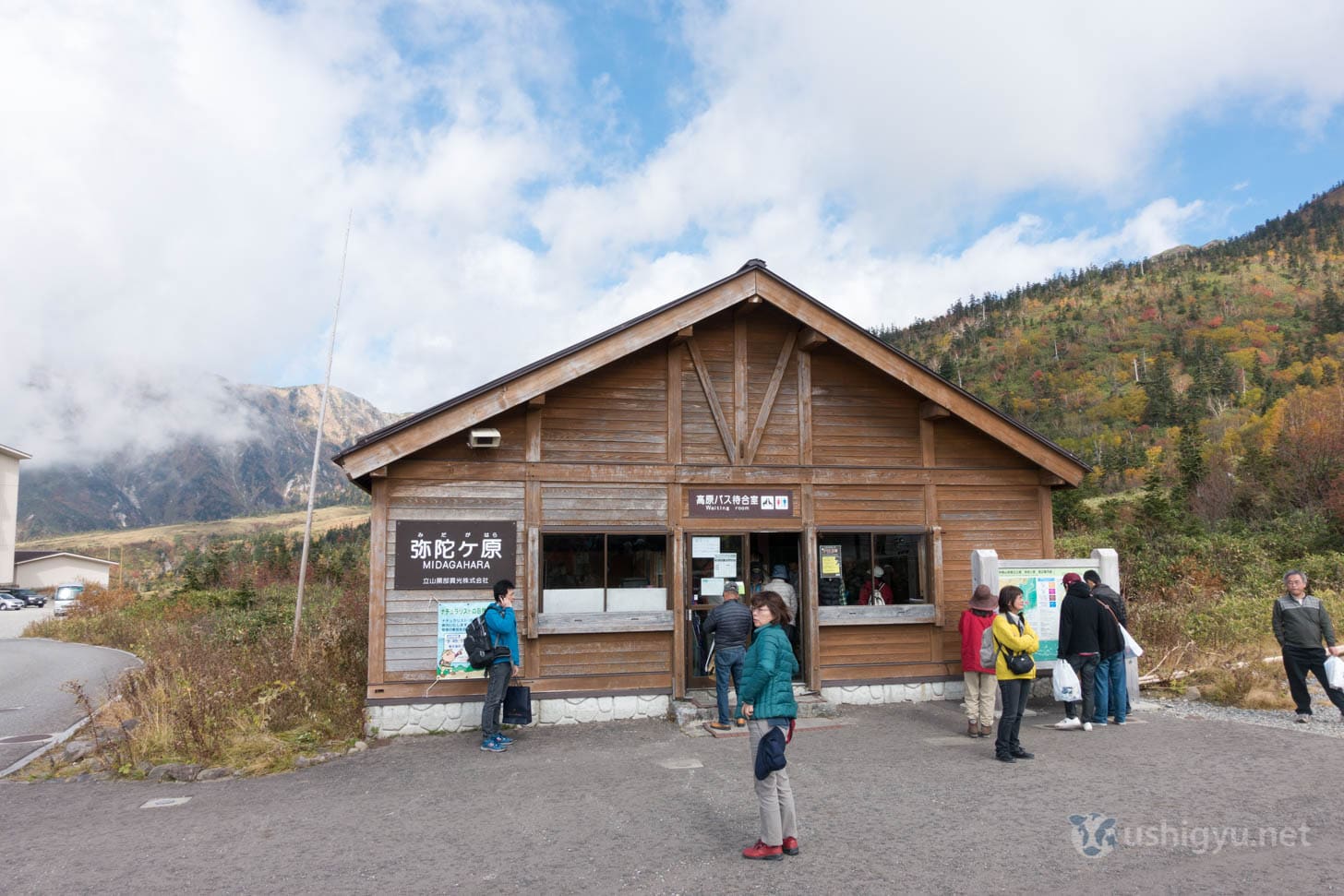
Midagahara, which has a hotel and serves as the entrance to a walking trail, was passed through quickly due to time constraints.
As the bus climbs from 977m at Bijodaira to 2,450m at Murodo, spectacular views of the Northern Alps mountains appear through the windows. My excitement grew!
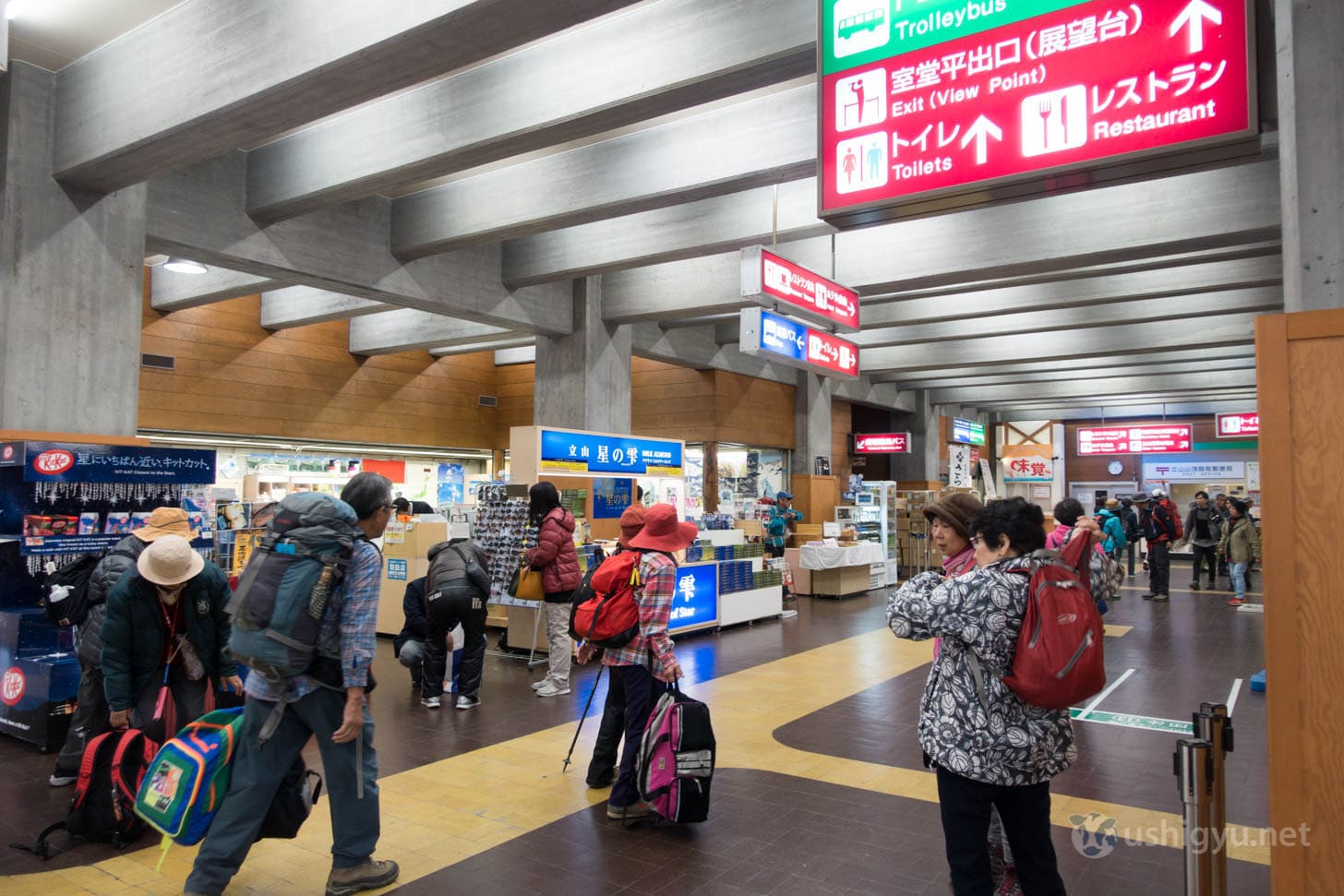
Arrived at Murodo! Most mountaineers’ destination is here, where the climbing trail begins.
Murodo’s High Elevation Brings Cold, But Exceptional Views! From Daikaenbou to Kurobe Daira
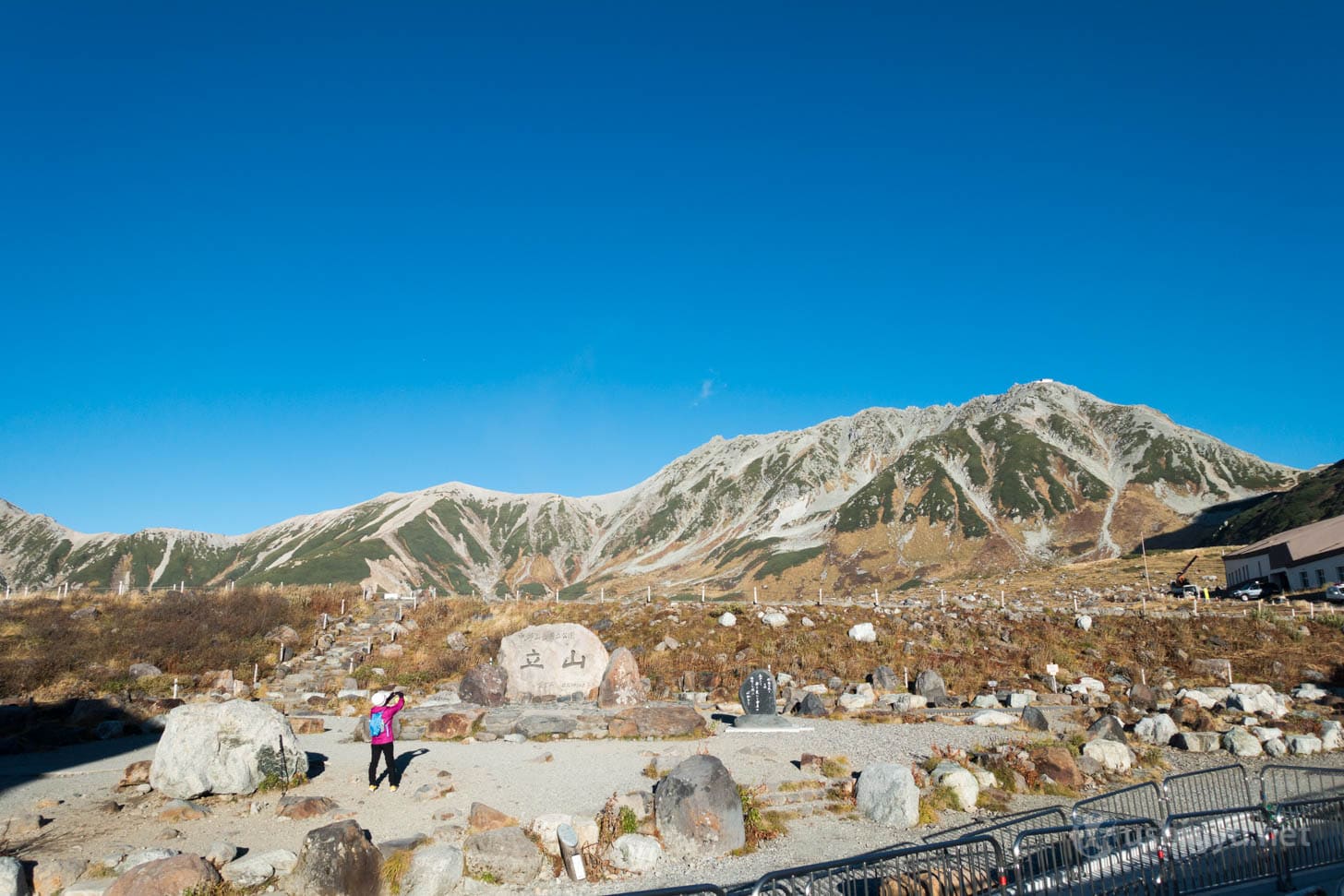
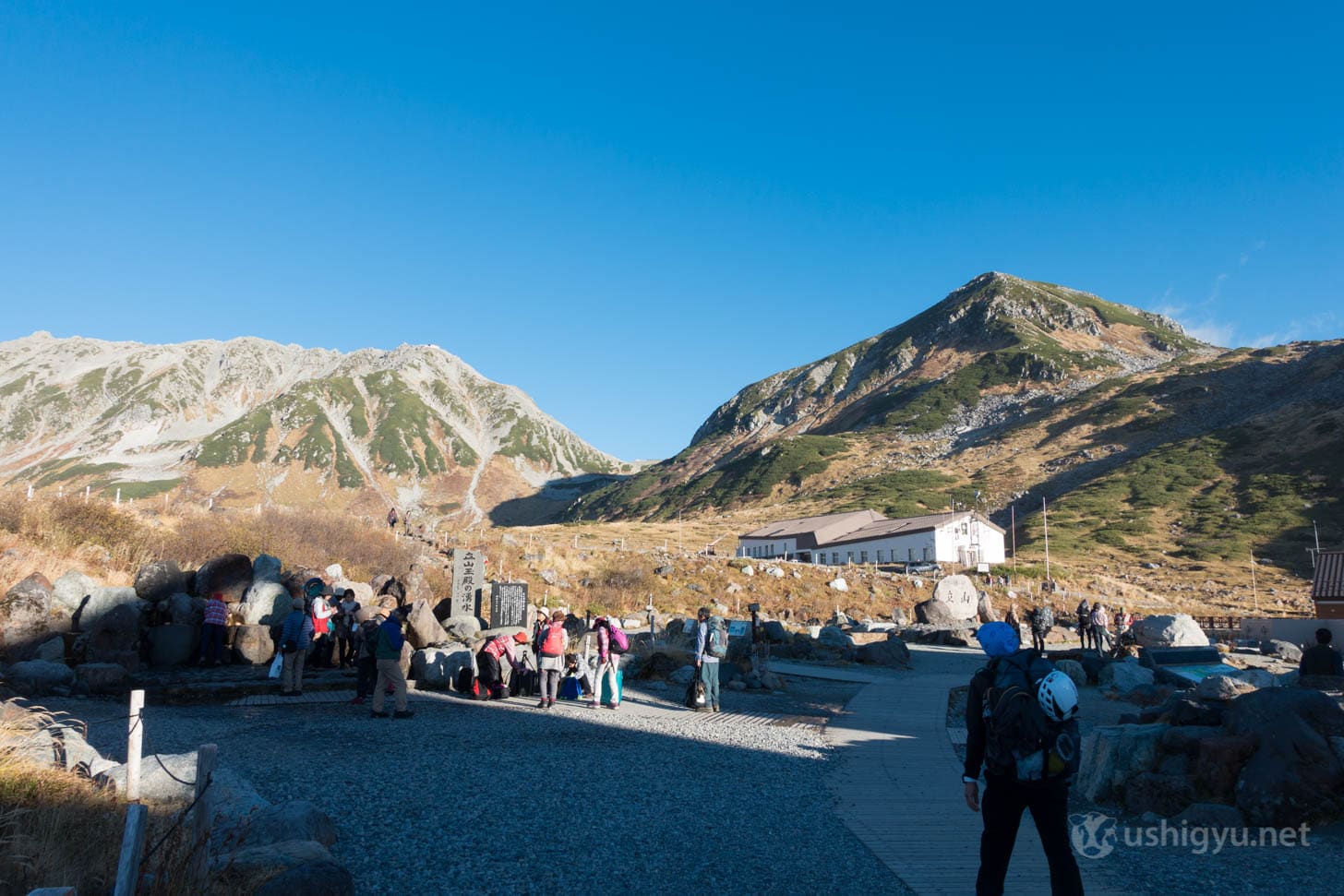
Stepping outside the station revealed this view! The steep face of Tateyama.
But the high elevation means it’s quite cold. Even in early October, temperatures can be in the single digits, so proper winter clothing is necessary.
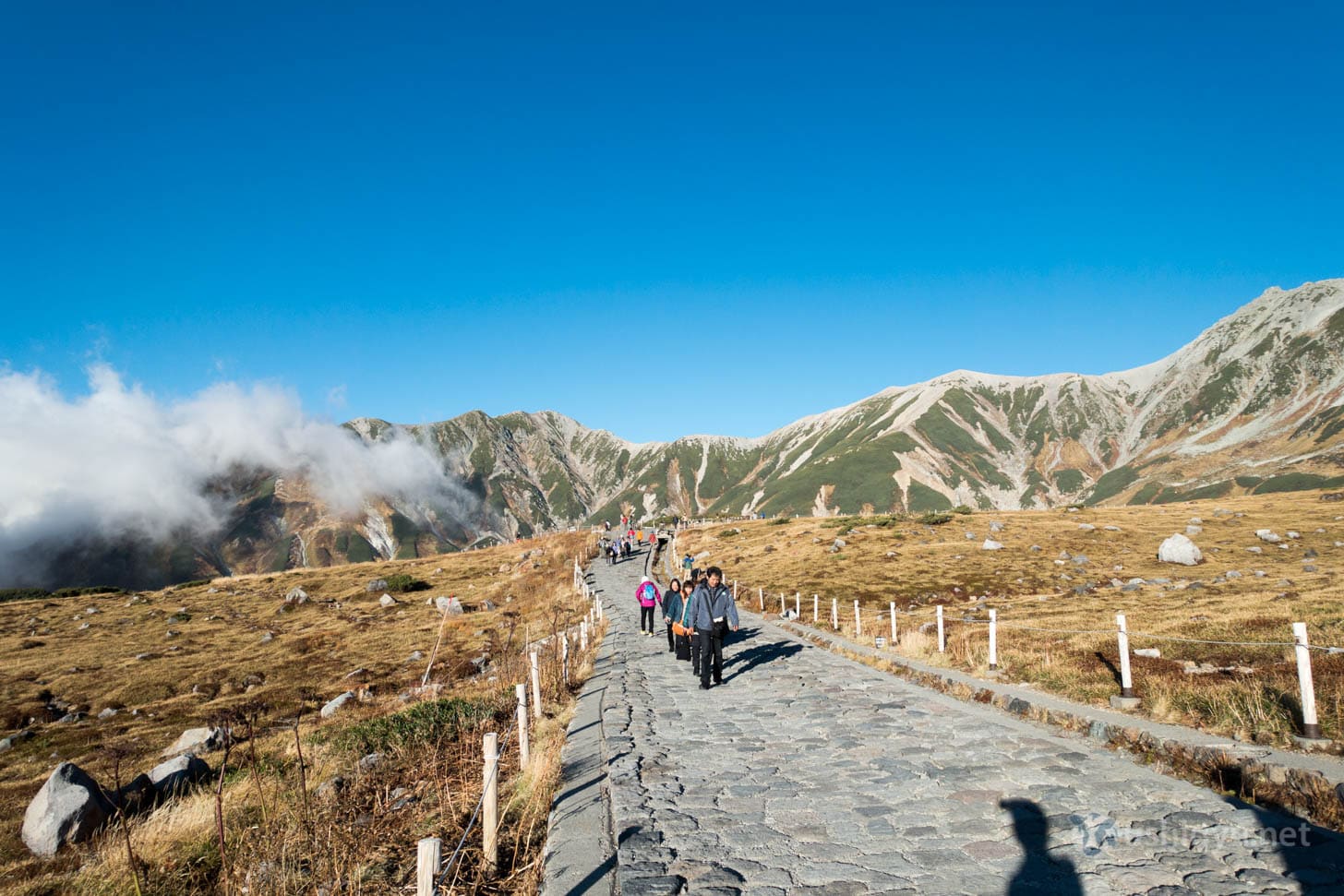
Many hikers headed toward the steep mountain.
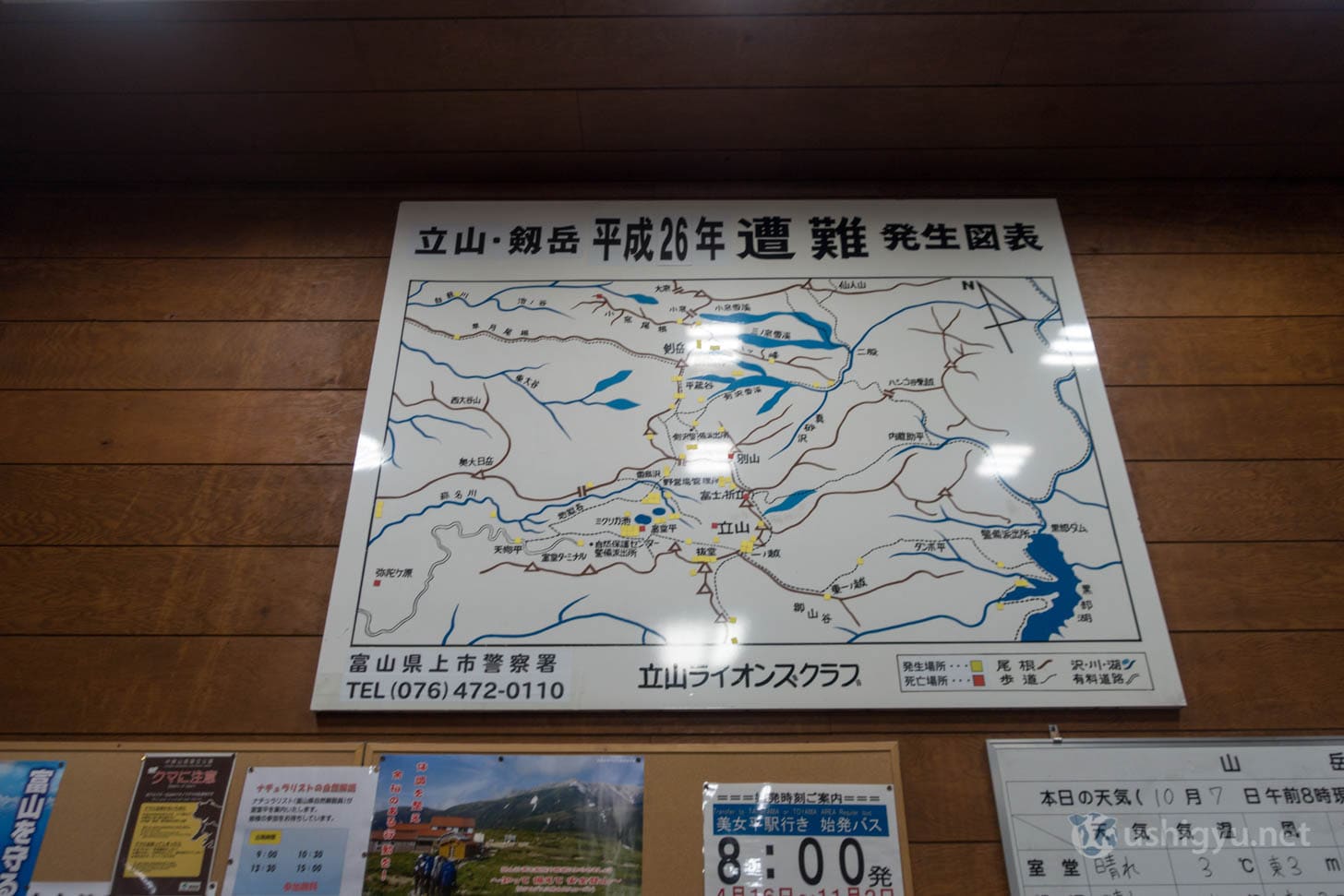
Accidents occur relatively frequently here, and an incident map was posted.
When mountaineering, ensure equipment and physical condition are optimal, and don’t forget to check the weather forecast.
From here, I took a trolley bus to Daikaenbou. Interestingly, there’s another famous viewpoint with the same name in Aso, Kumamoto.
(I recalled when my navigation system suddenly aimed for Toyama when I was trying to reach Aso’s Daikaenbou.)
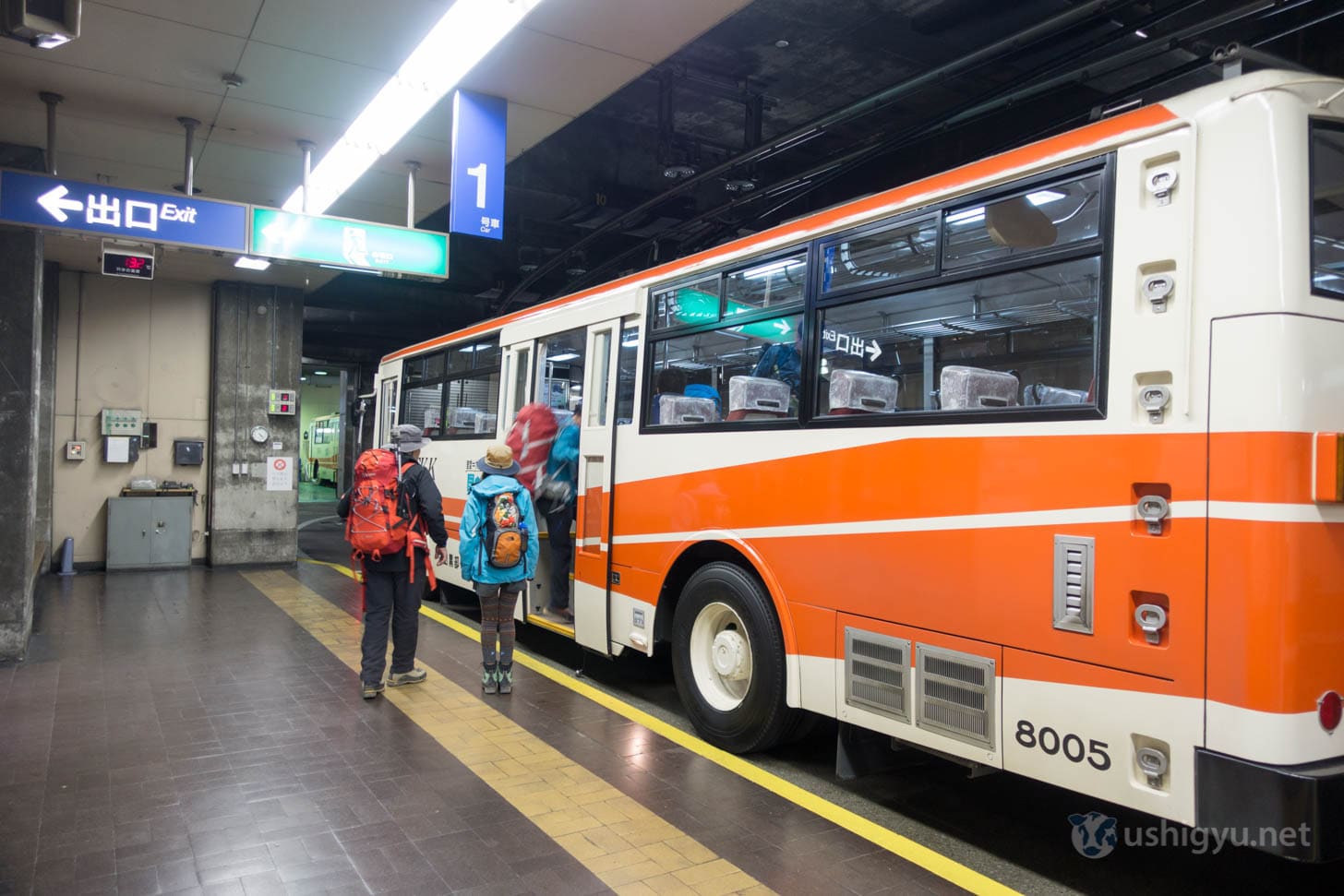
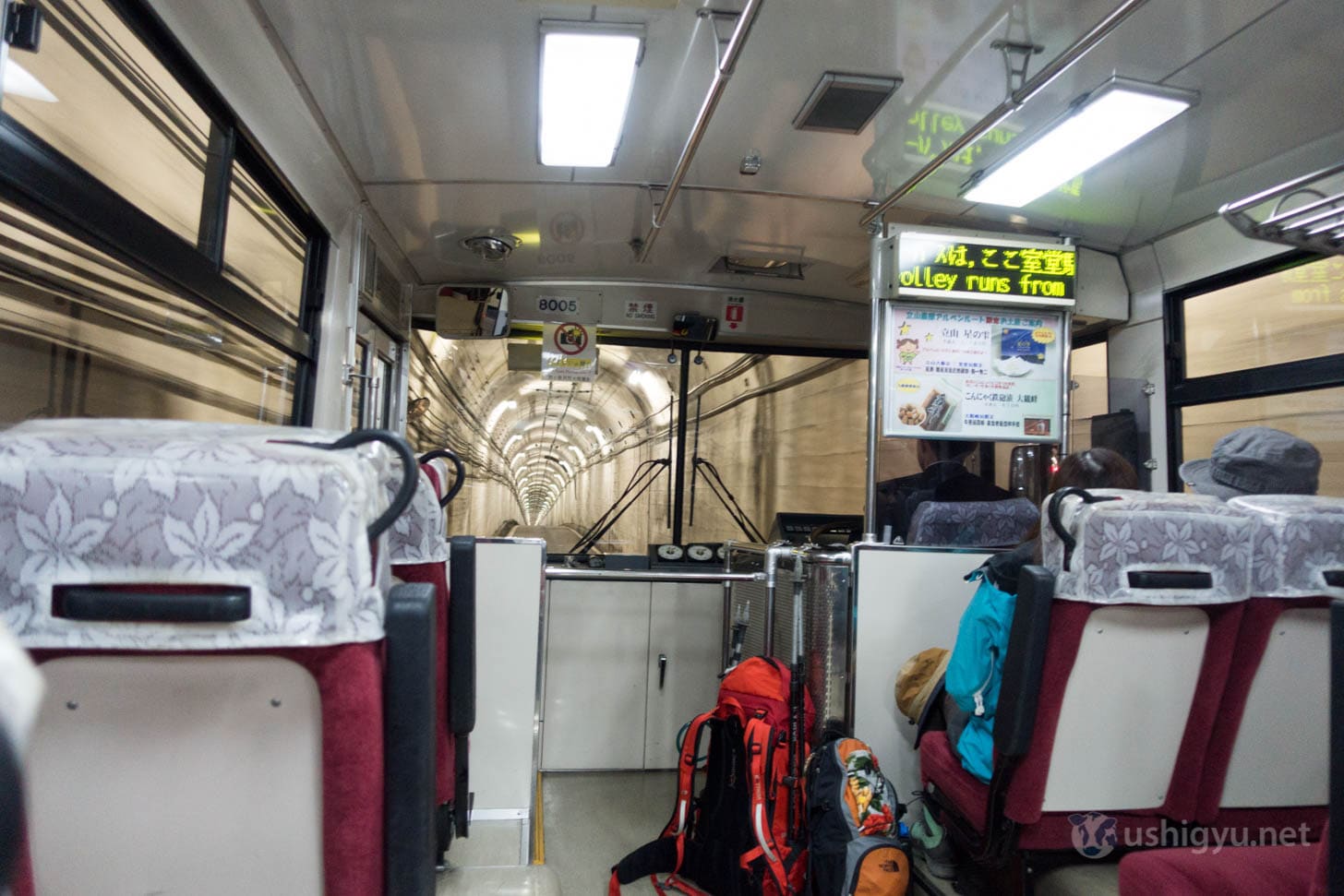
This trolley bus is unique in Japan—it’s the only place where this vehicle operates. Like trains, it draws power from overhead wires. The sensation is oddly between a train and a bus. Of course, it can only travel on designated routes.
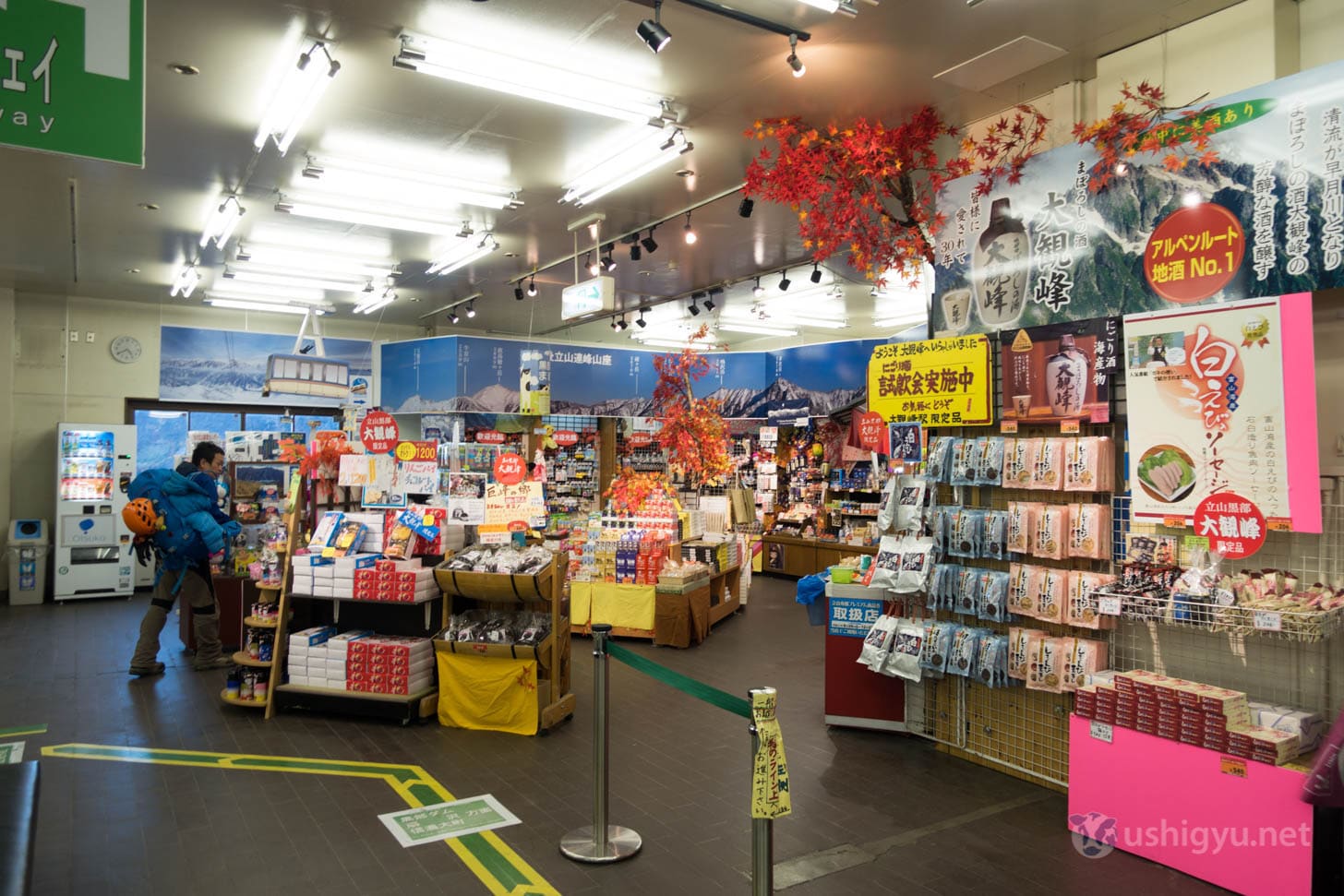
The Daikaenbou stop is relatively small. However, souvenir shops operate normally.
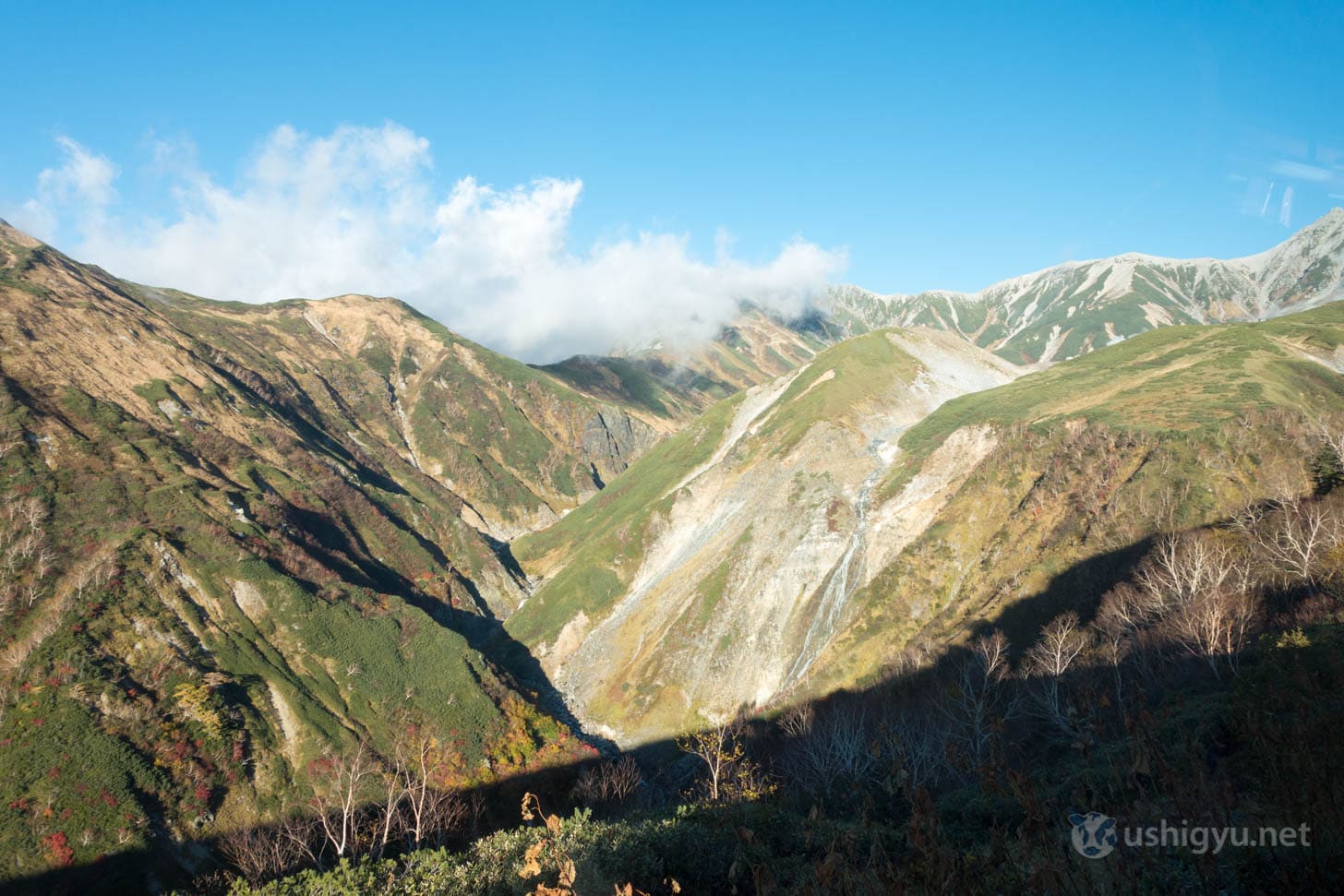
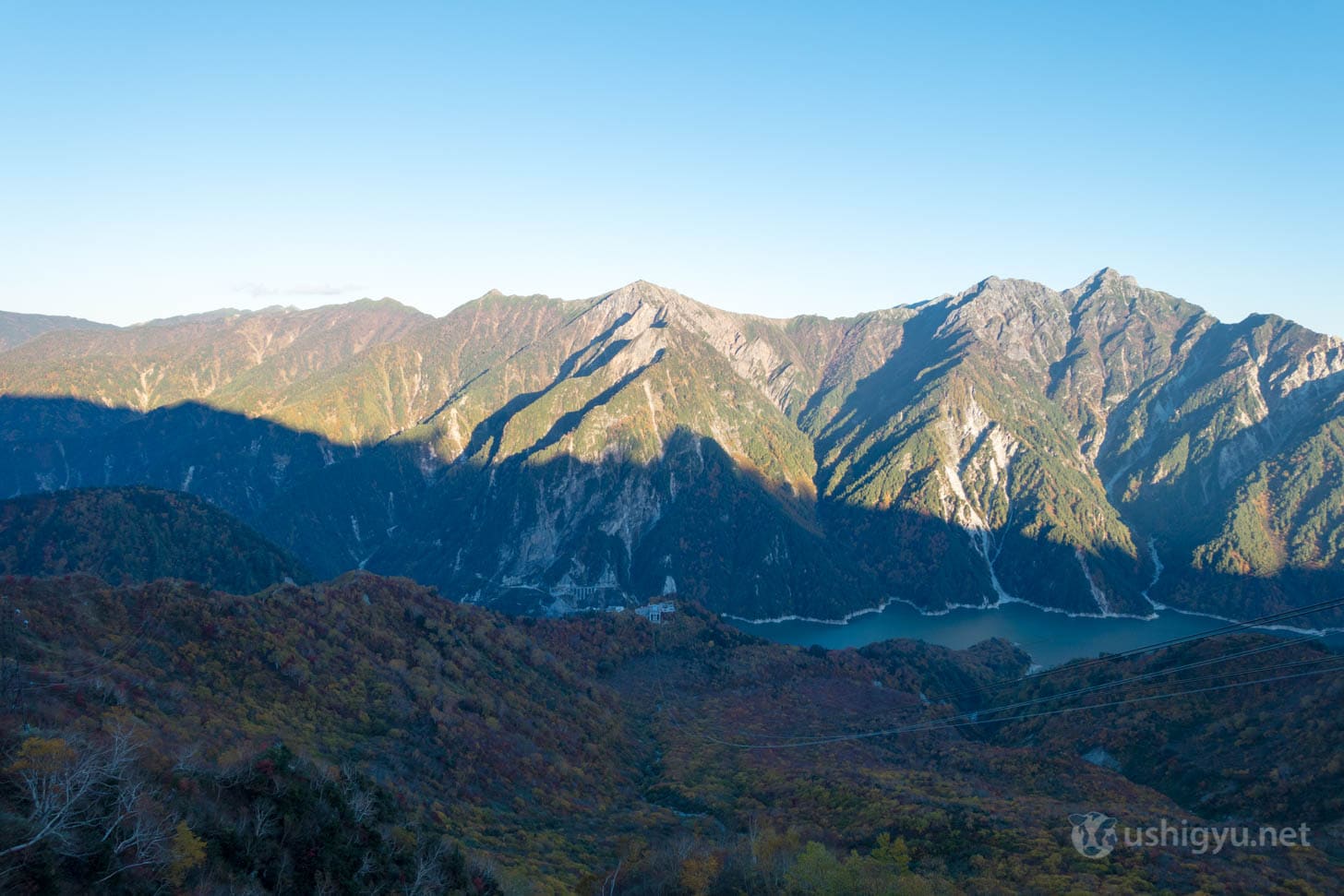
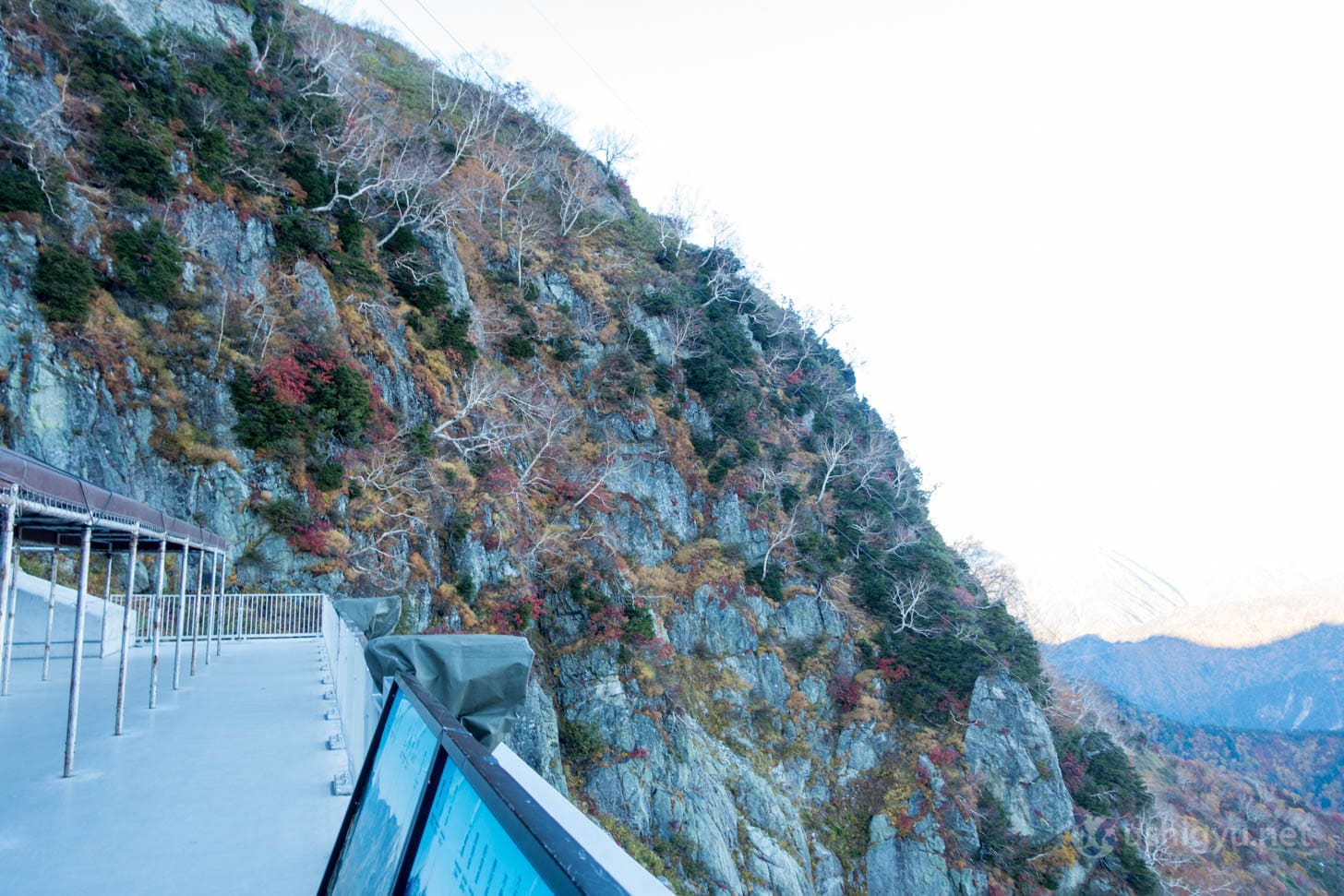
Stepping outside during the brief transfer time revealed this view! Living up to the name “Daikaenbou,” the vista was magnificent.
Though the sun angle was less than ideal at that time, I could see the majestic natural beauty of the Northern Alps.
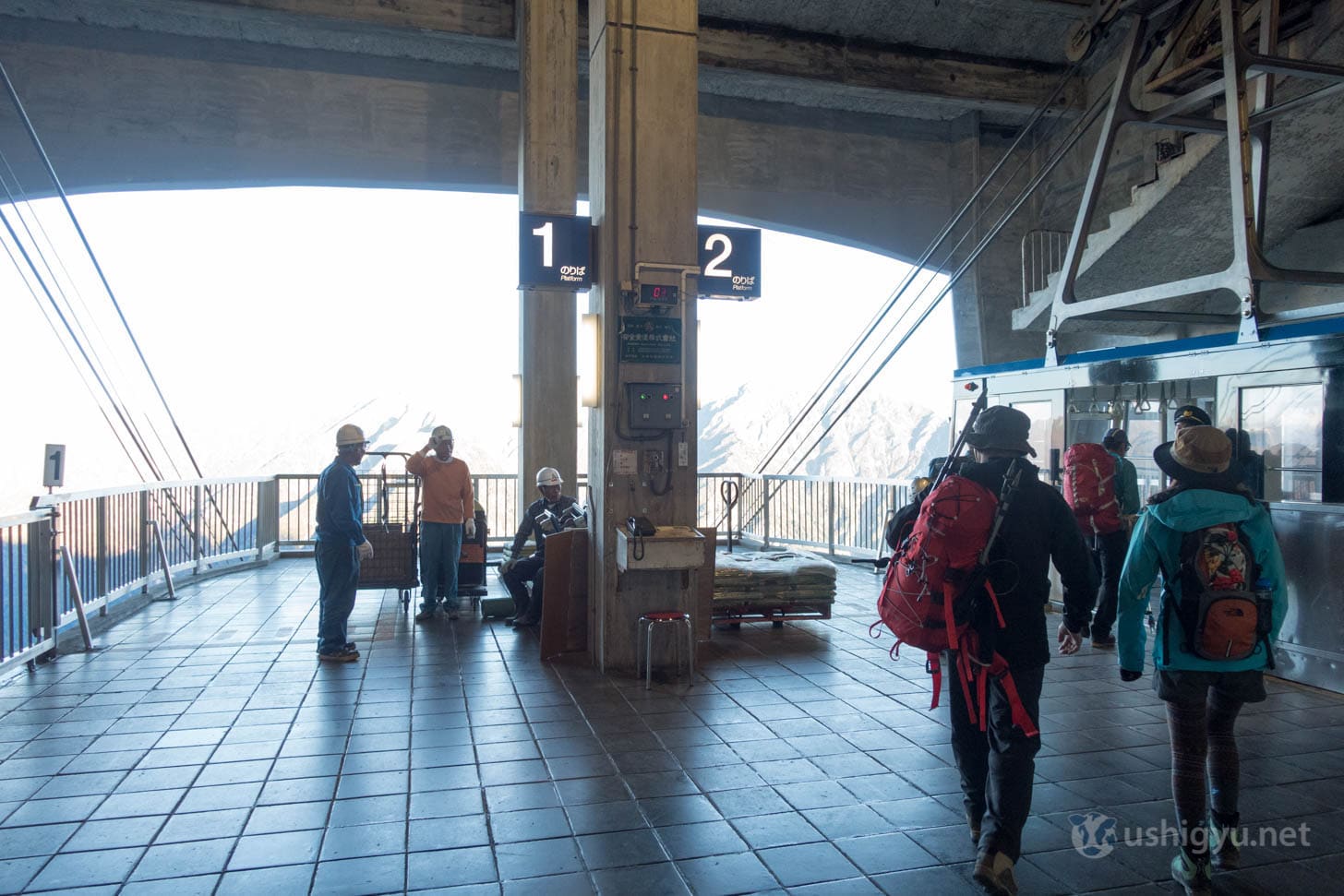
With limited time, I skipped detailed sightseeing and headed to the ropeway station.
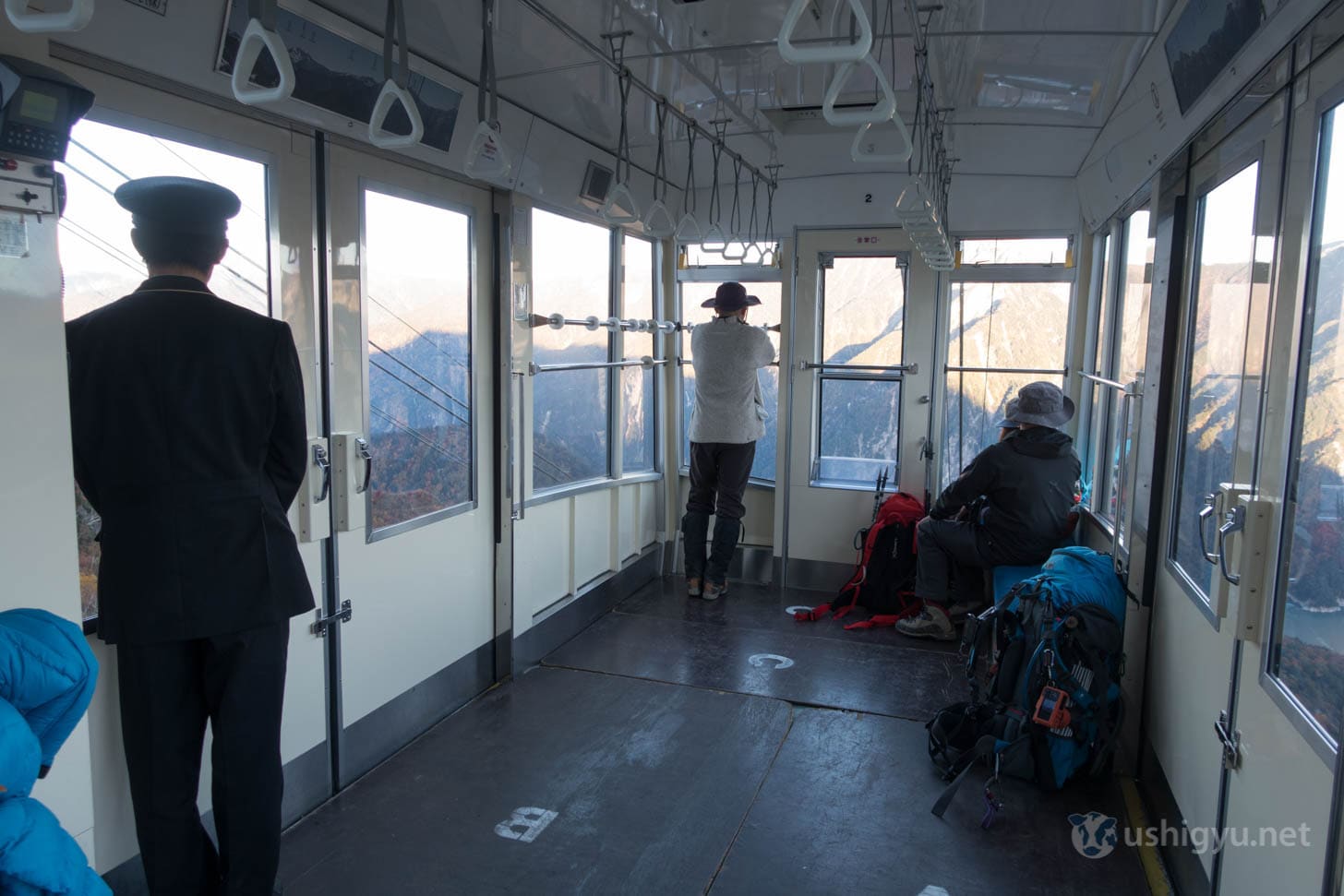
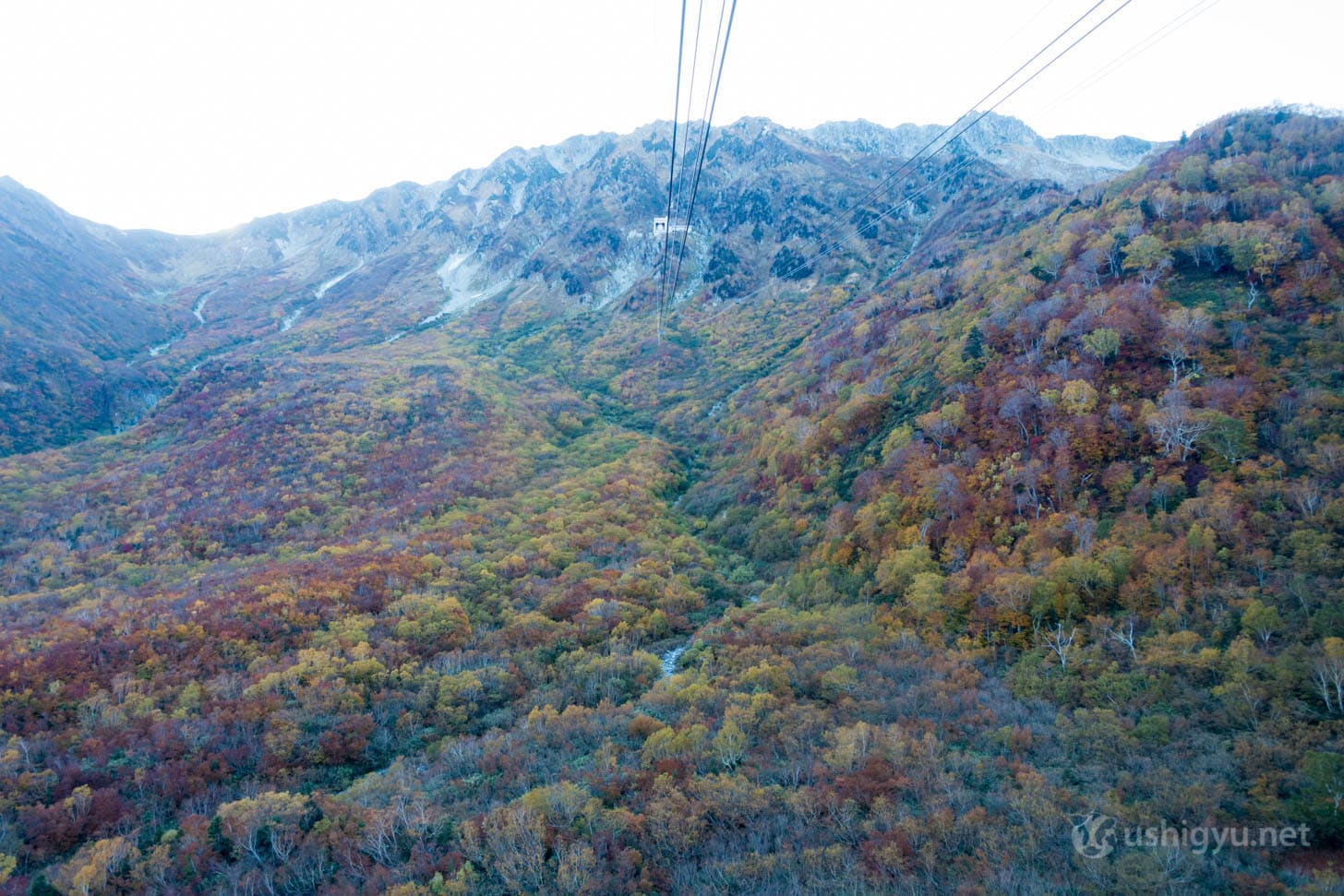
Gazing at autumn foliage-colored mountains far below, we proceed onward. At this evening hour, everything was in shadow. Yet still beautiful.
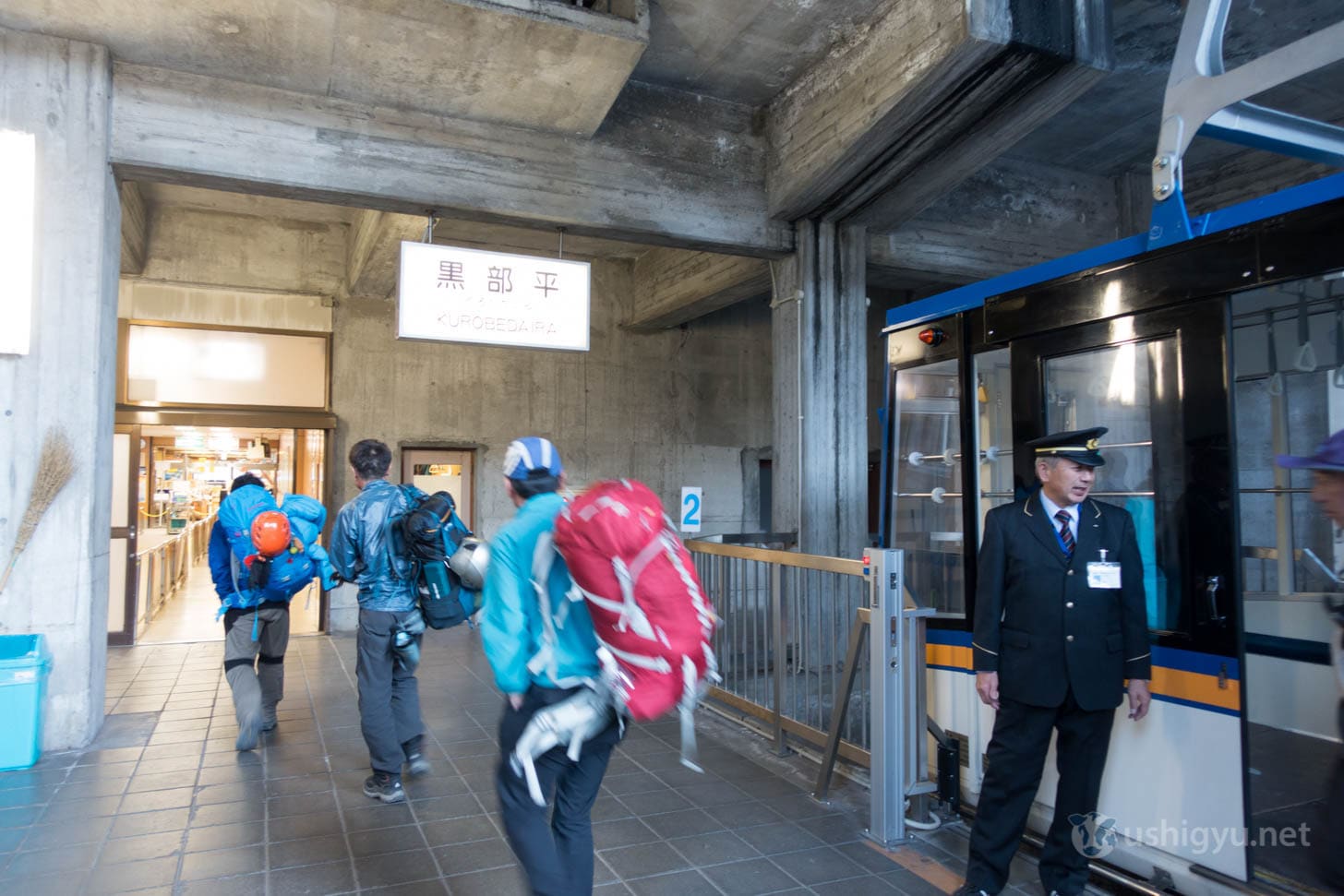
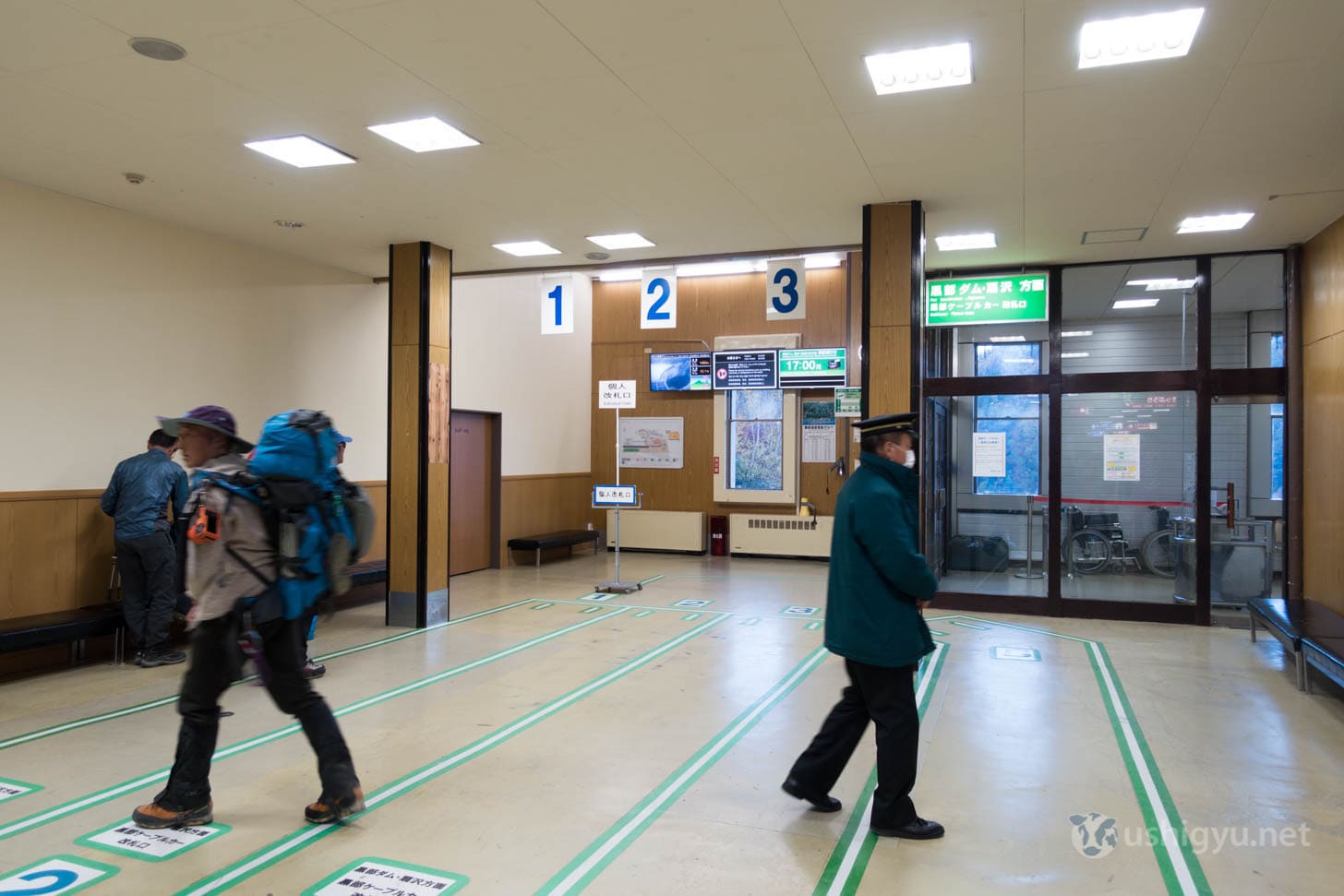
Arrived at Kurobe Daira. With closing time near, fewer people were around.
Even on Clear Days, Evening Lighting at Kurobe Daira-Kurobe Lake Isn’t Ideal. Morning Visits Recommended
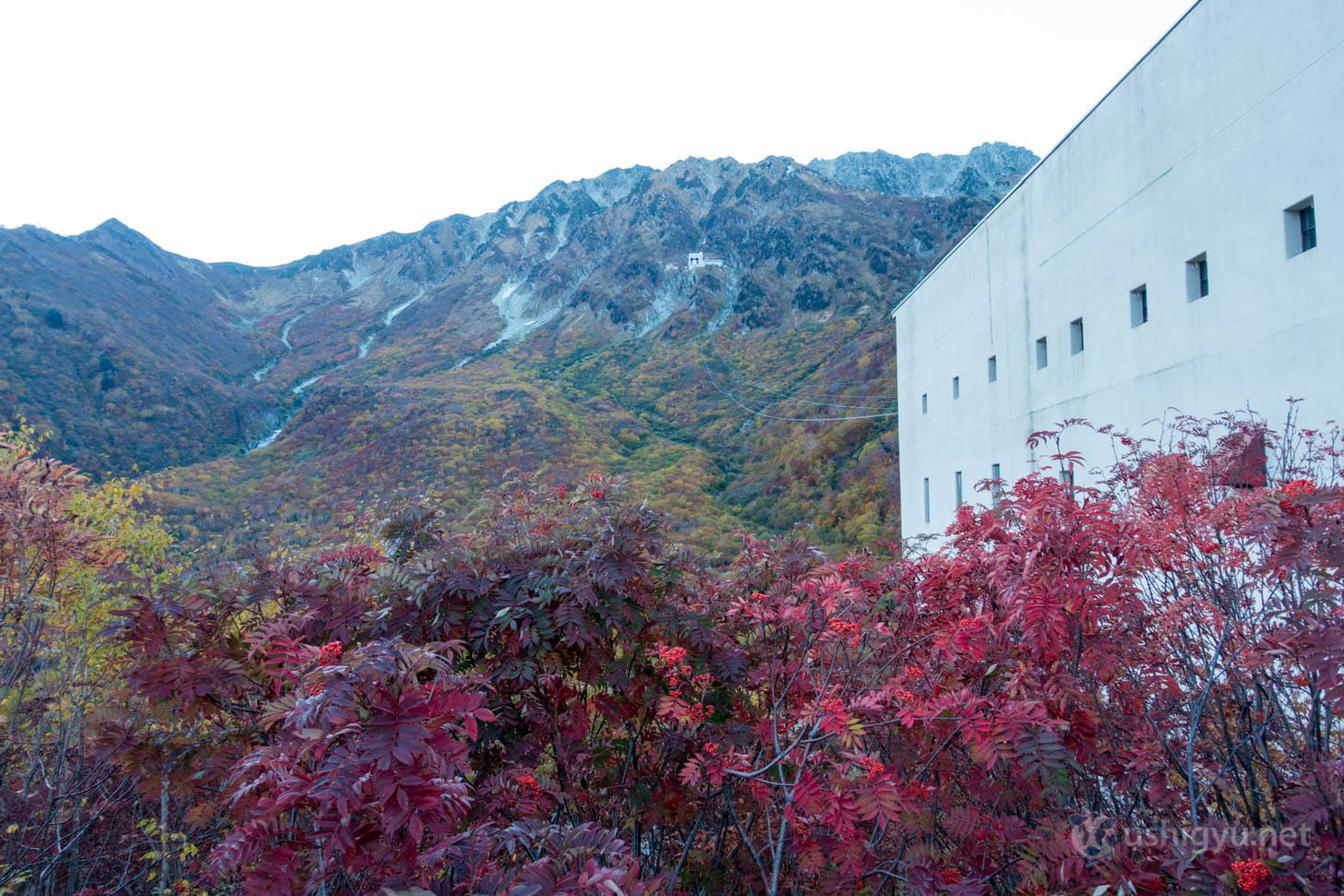
Outside the station, reddened trees and mountains were visible, but the sun angle made them appear suboptimal. This too would be saved for tomorrow.
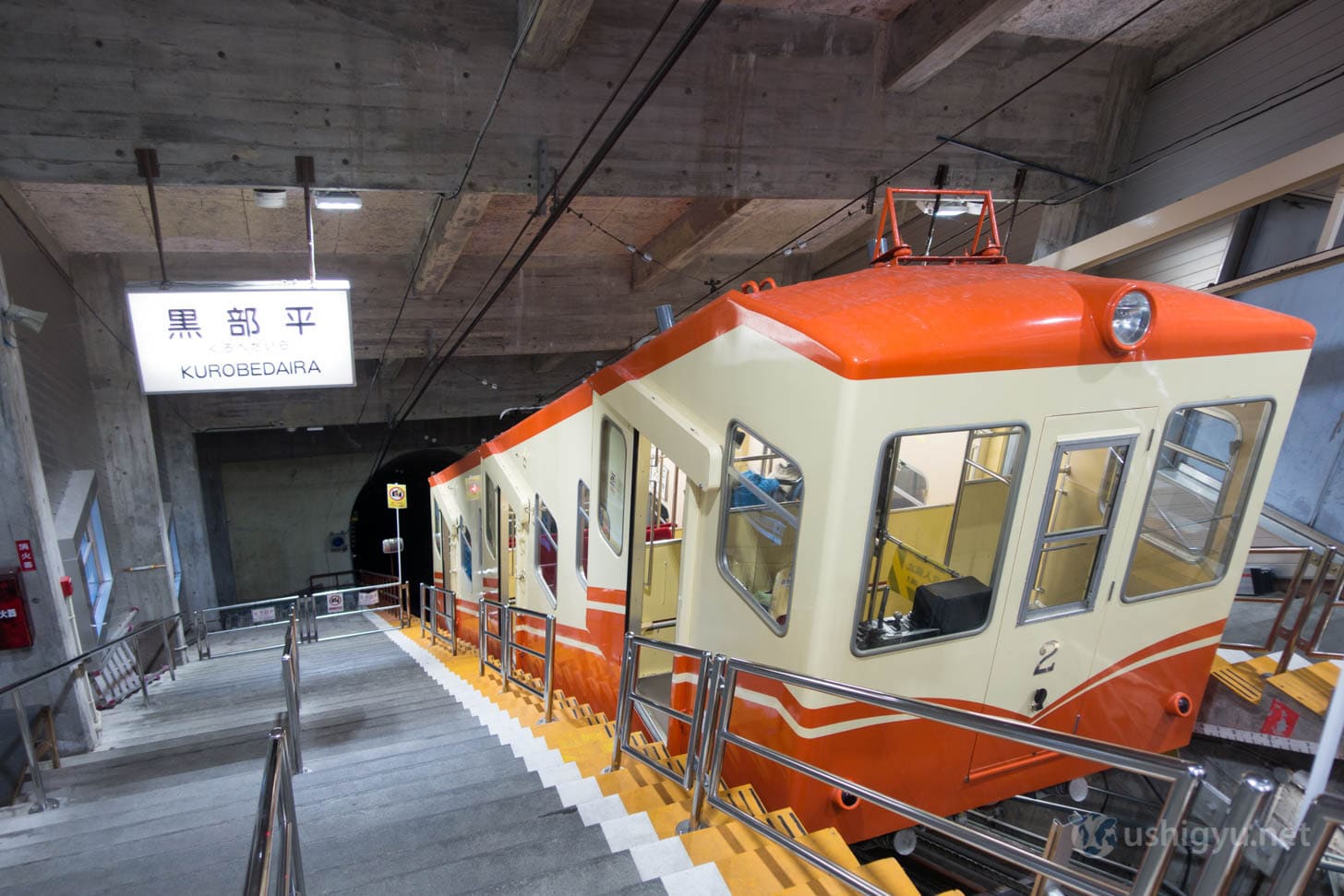
From here, a cable car descends toward Kurobe Lake.
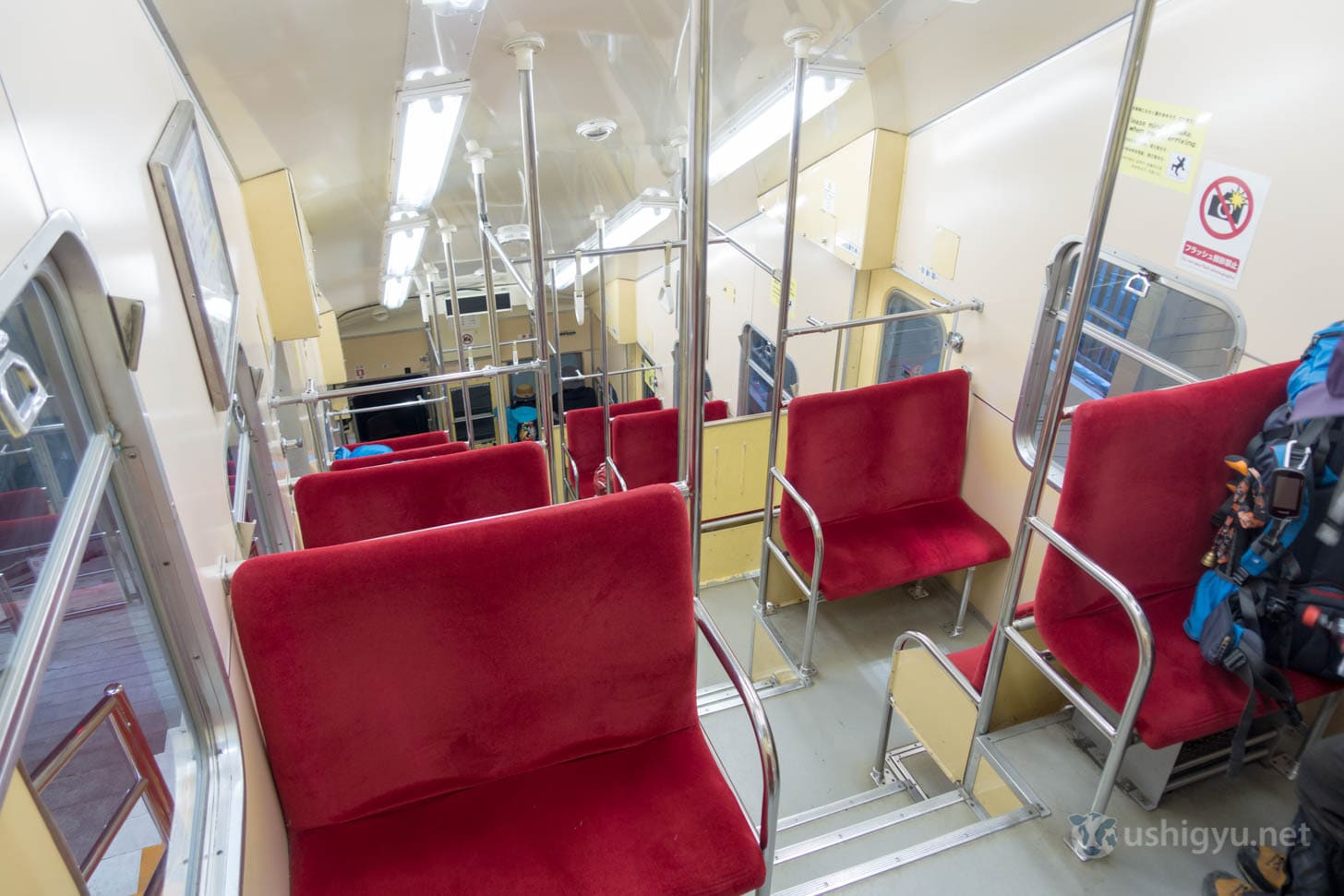
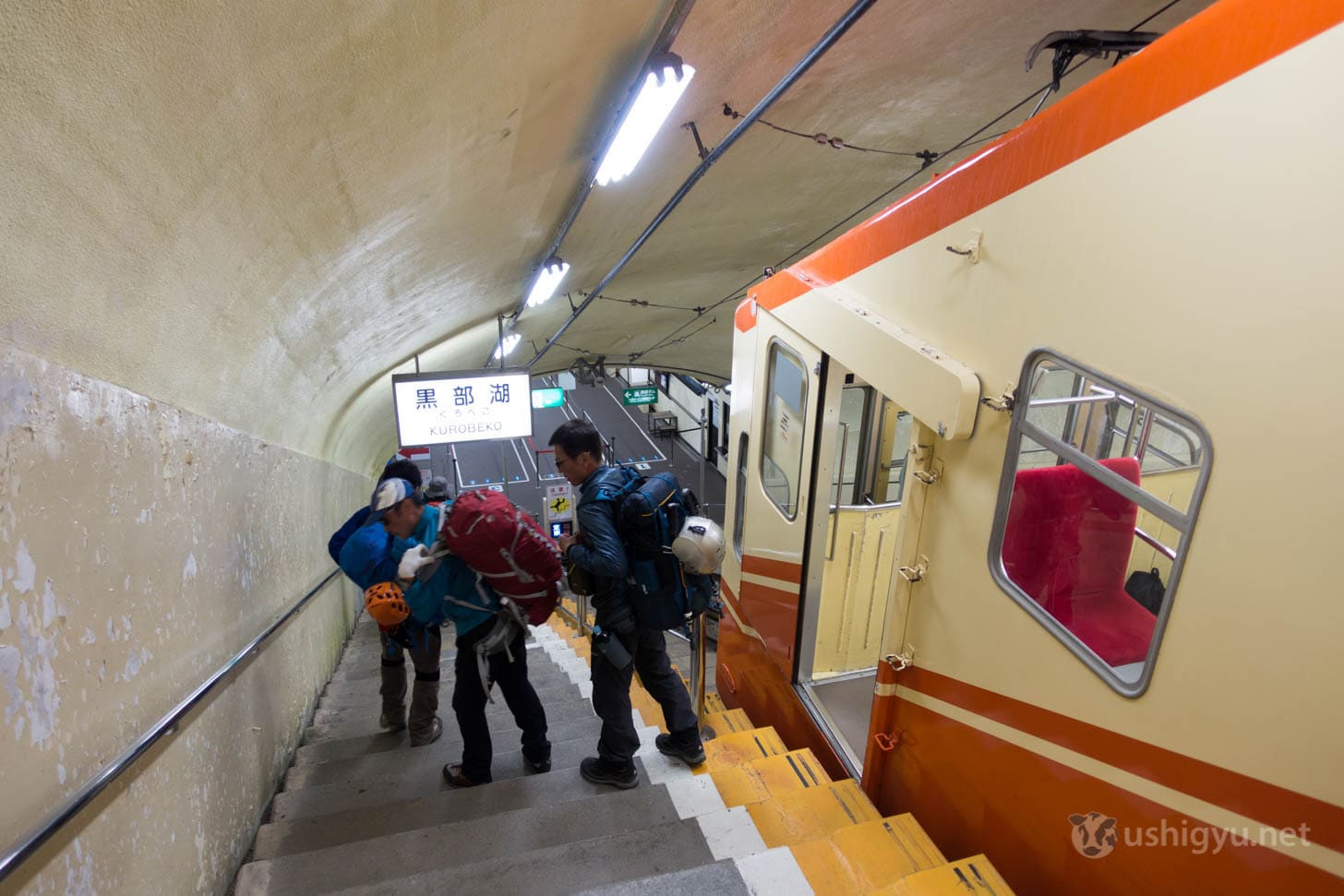
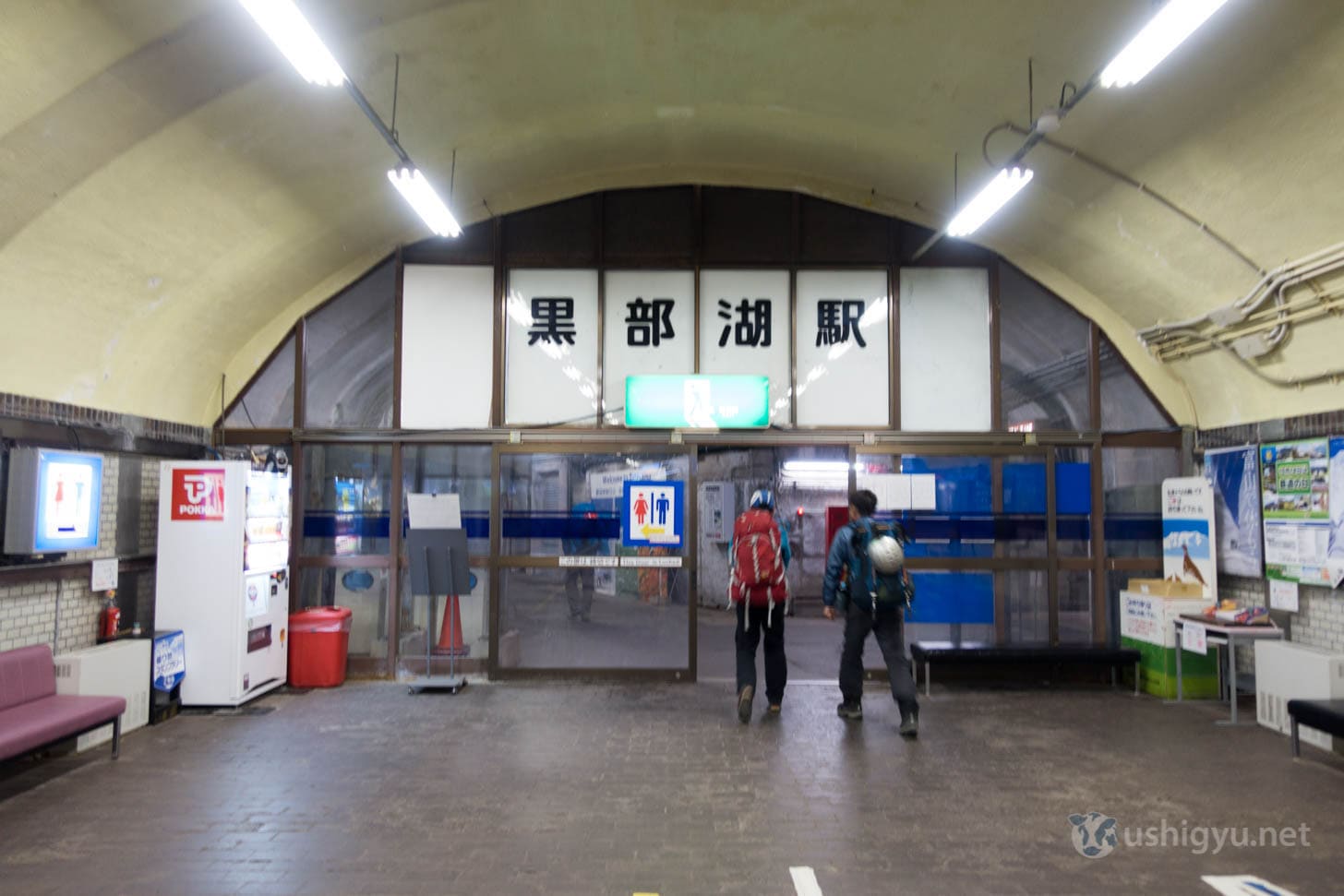
Kurobe Lake Station is one of the Alpine Route’s premier tourist attractions—you can actually walk across the famous Kurobe Dam.
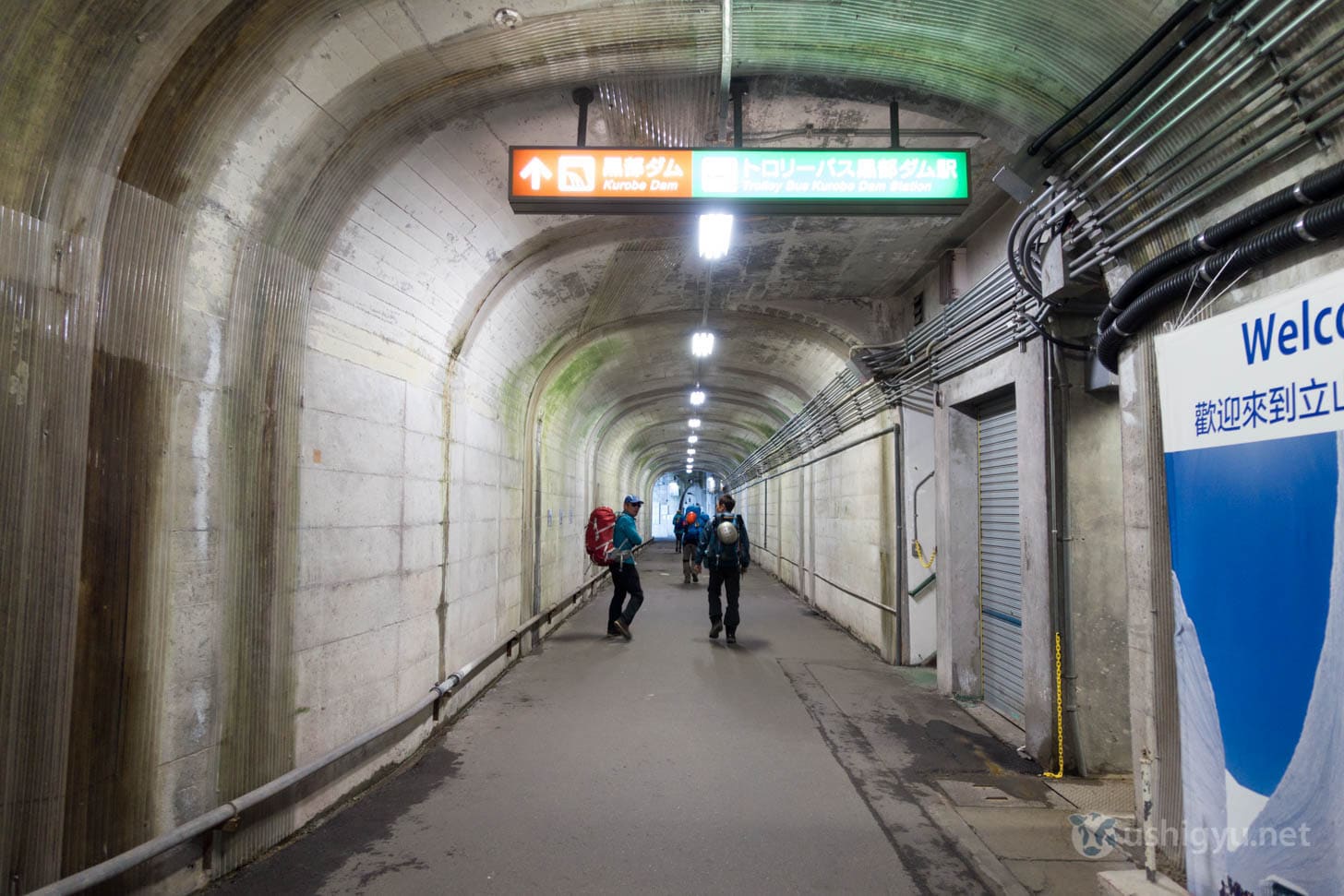
Passing through a stone tunnel…
There it is—Kurobe Dam!
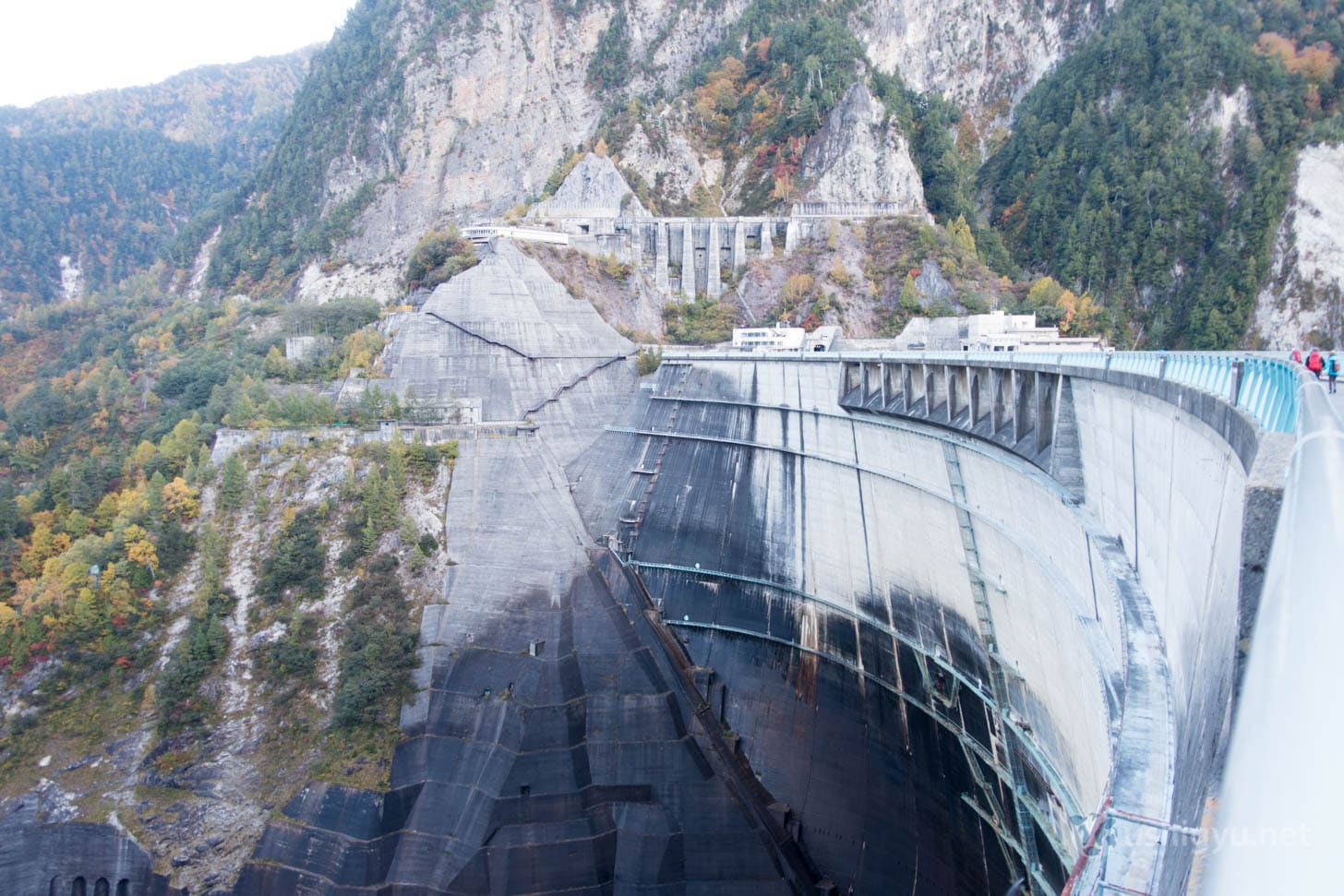
…But again, poor lighting!
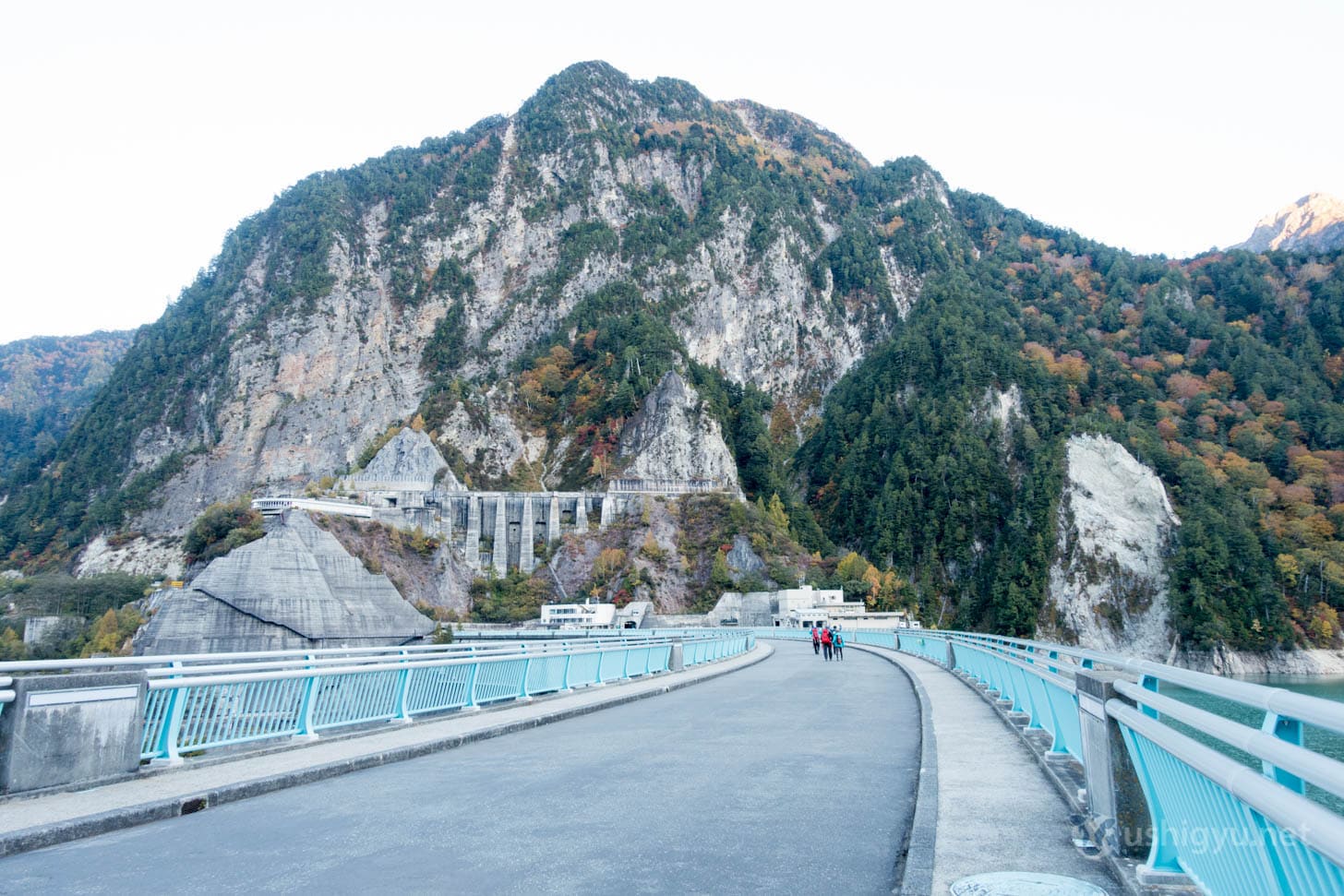
The next day I returned and saw a beautifully lit Kurobe Dam.
With the final connection to Nagano Prefecture’s Ogizawa Station approaching, I hurried through the dam and back to the station.
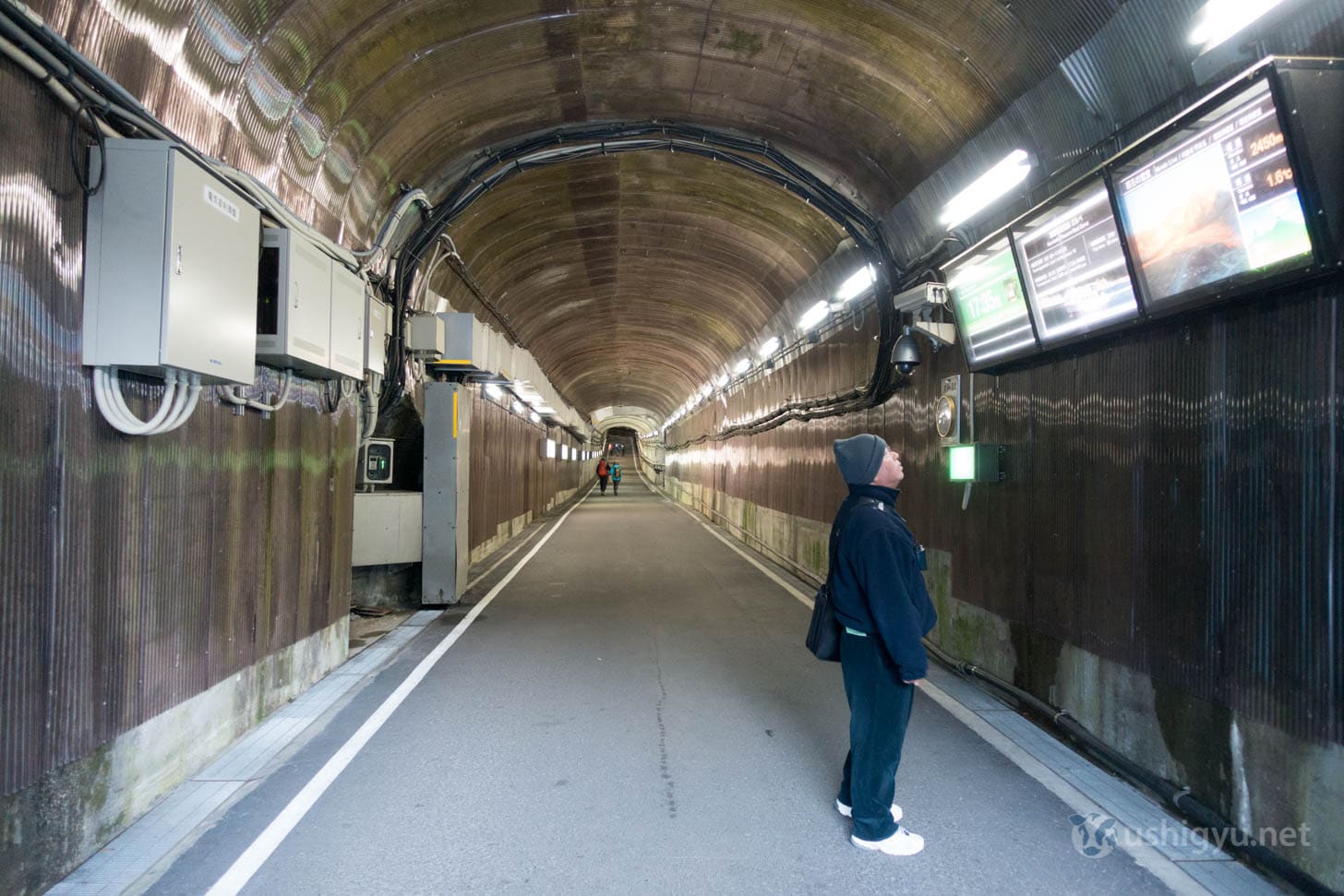
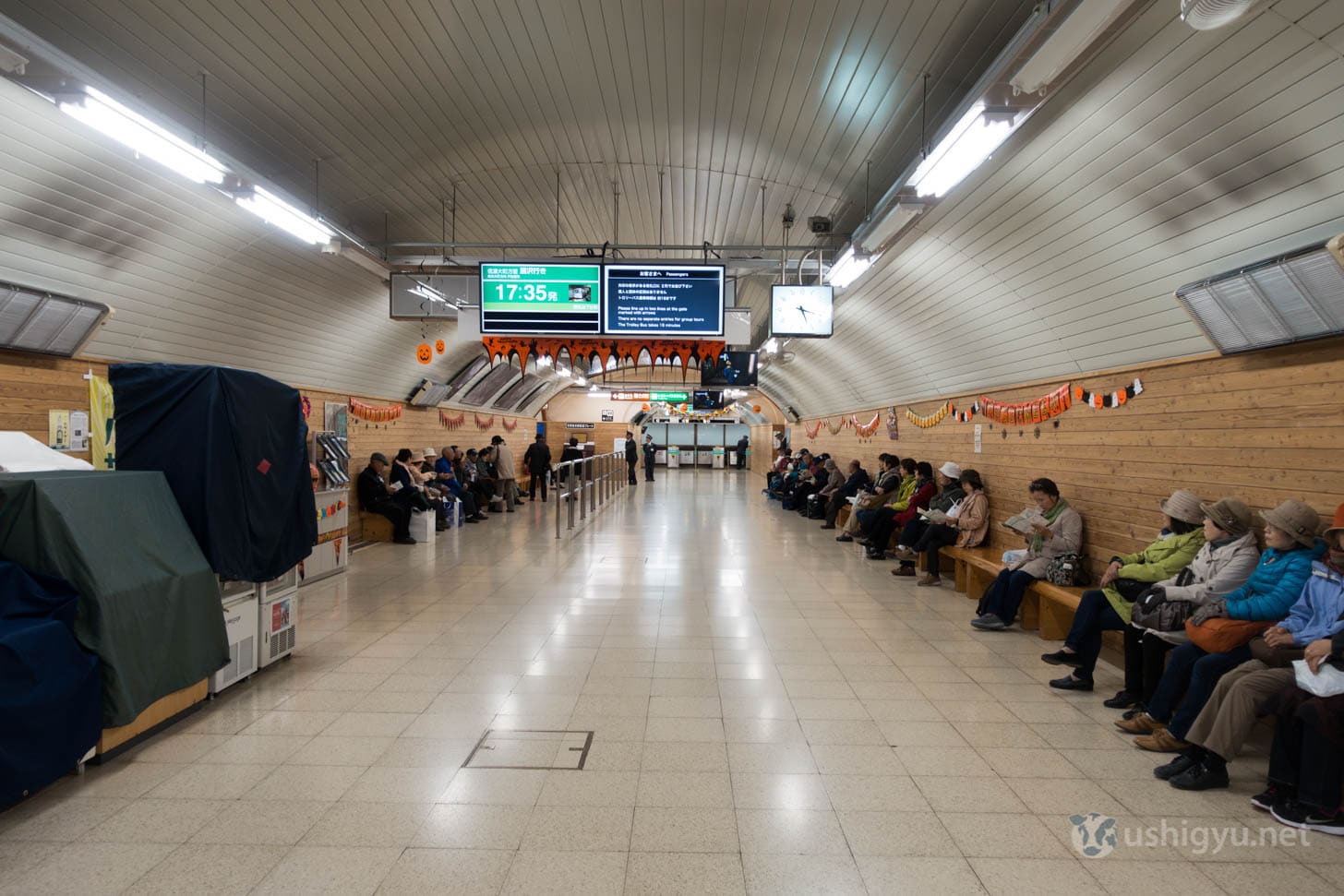
Kurobe Dam was the filming location for actor Yujiro Ishihara’s movies and programs like Project X. This crucial facility, built through arduous and dangerous construction efforts, supported Japan during the high-growth economic period.
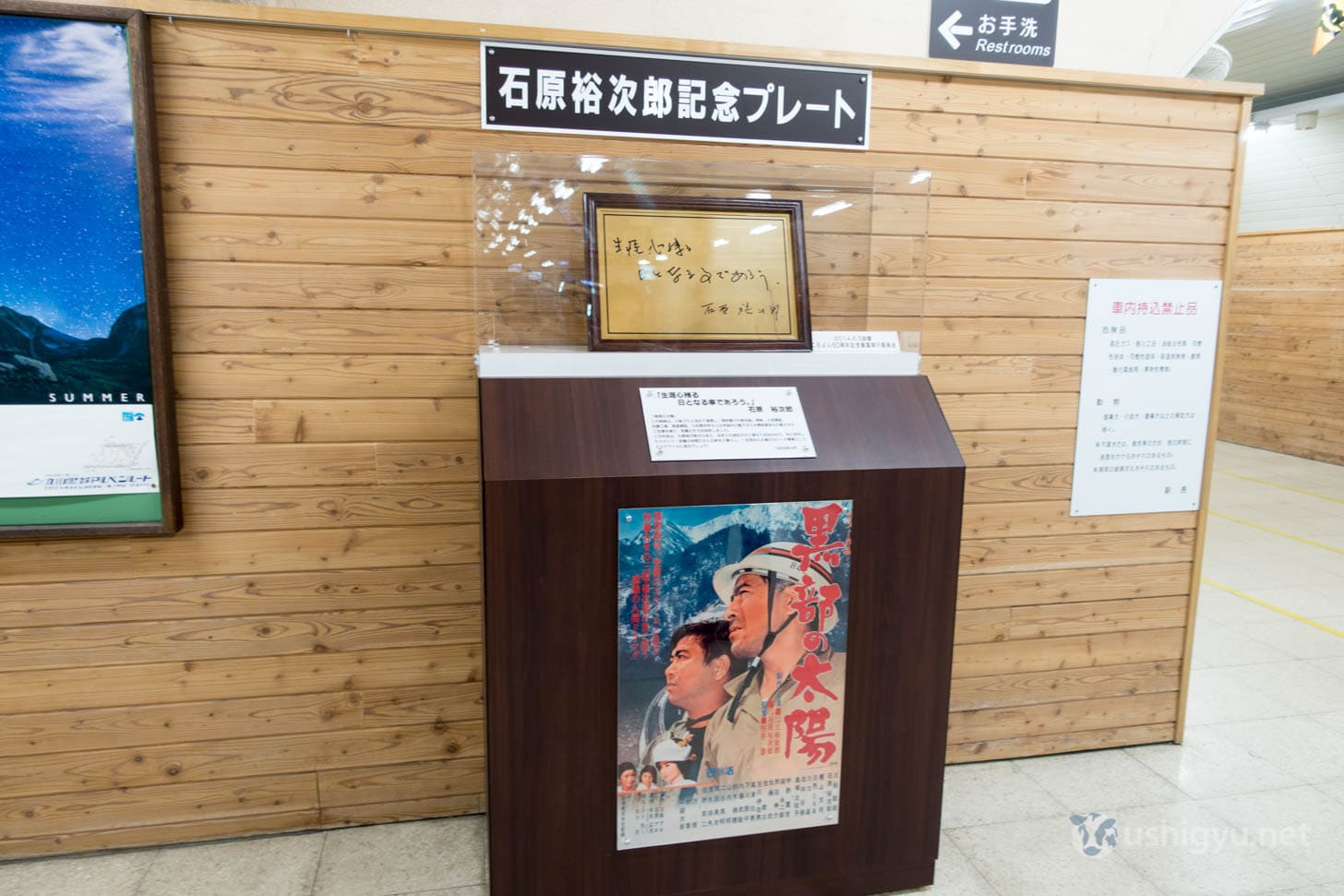
Overnight Stay at Omachi Onsen Area on the Nagano Side
From Kurobe Dam to Ogizawa Station, I took a trolley bus again, crossing the prefectural border between Toyama and Nagano.
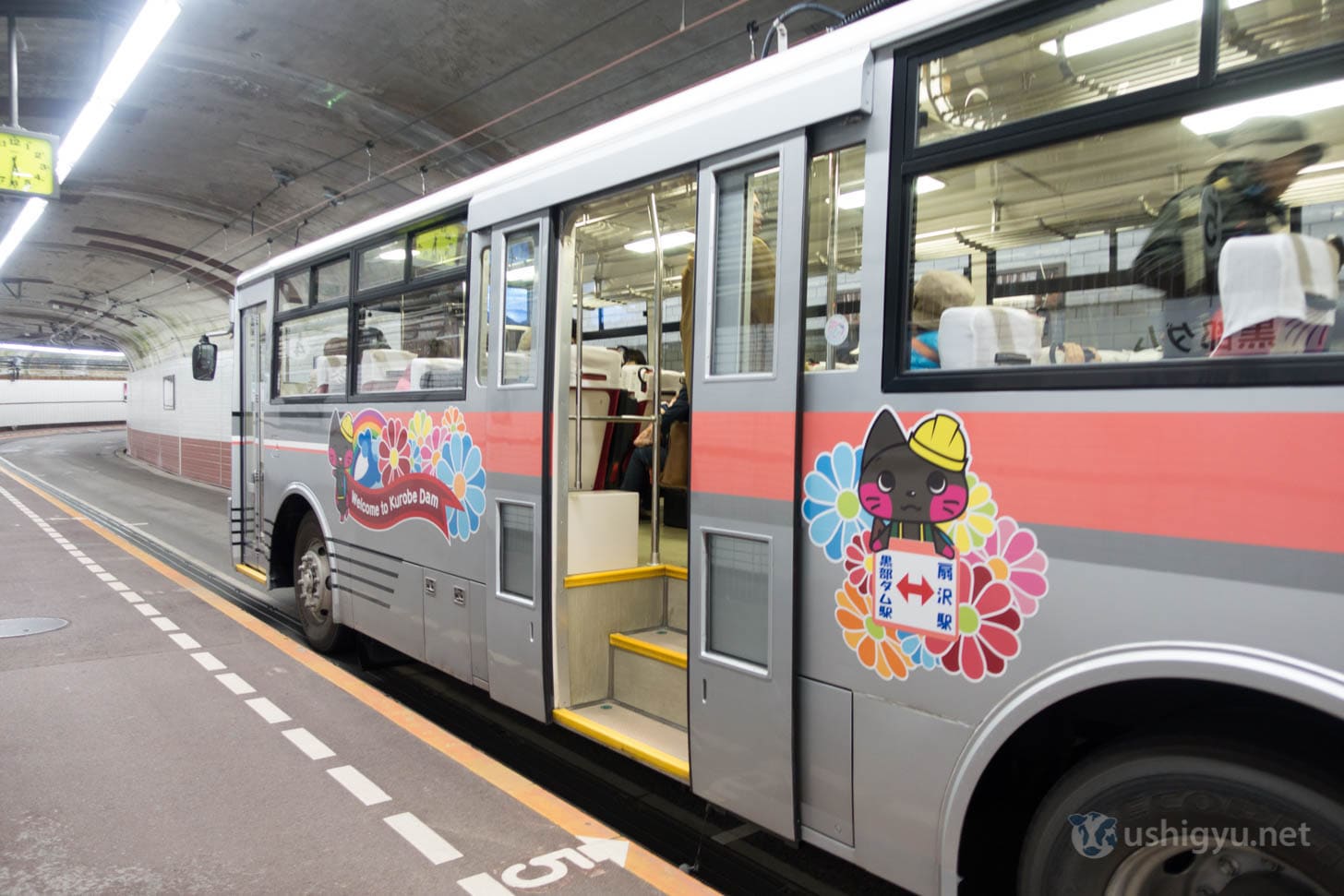
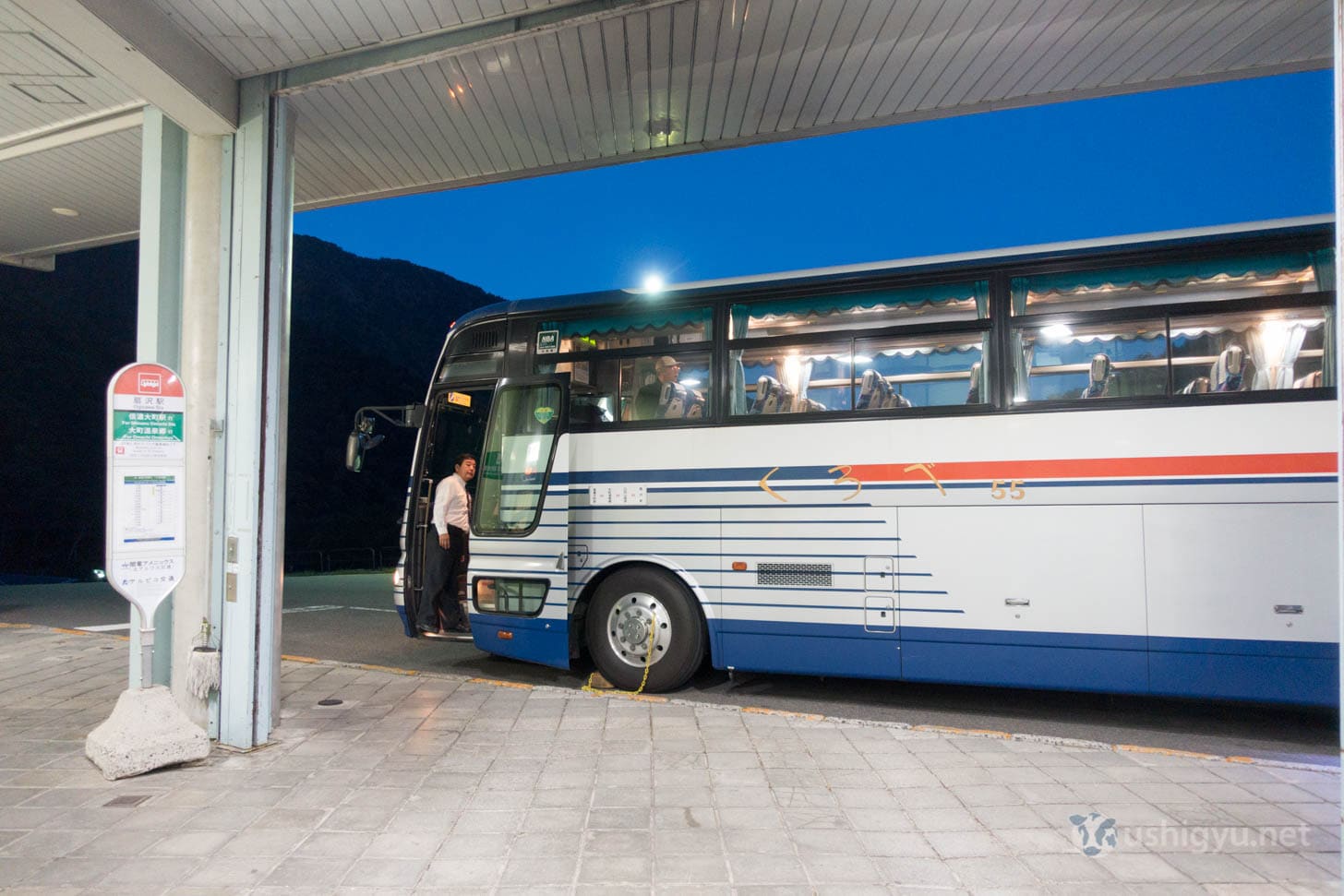
From Ogizawa Station, buses transport passengers down to the town below. I had accommodation in nearby Omachi Onsen, so I headed there.
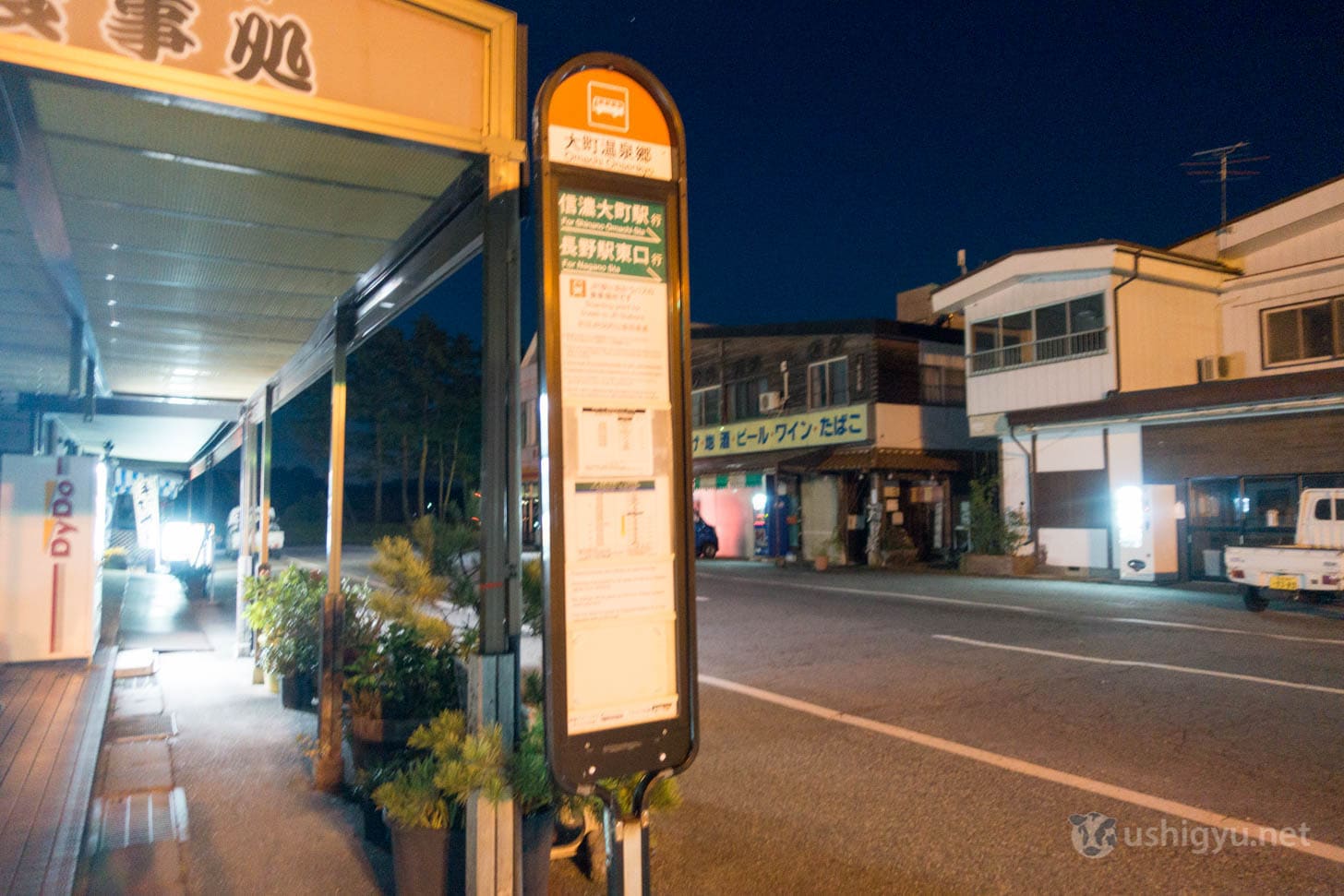
Despite being called an onsen resort, it was quite small and quiet. I walked to the accommodation.
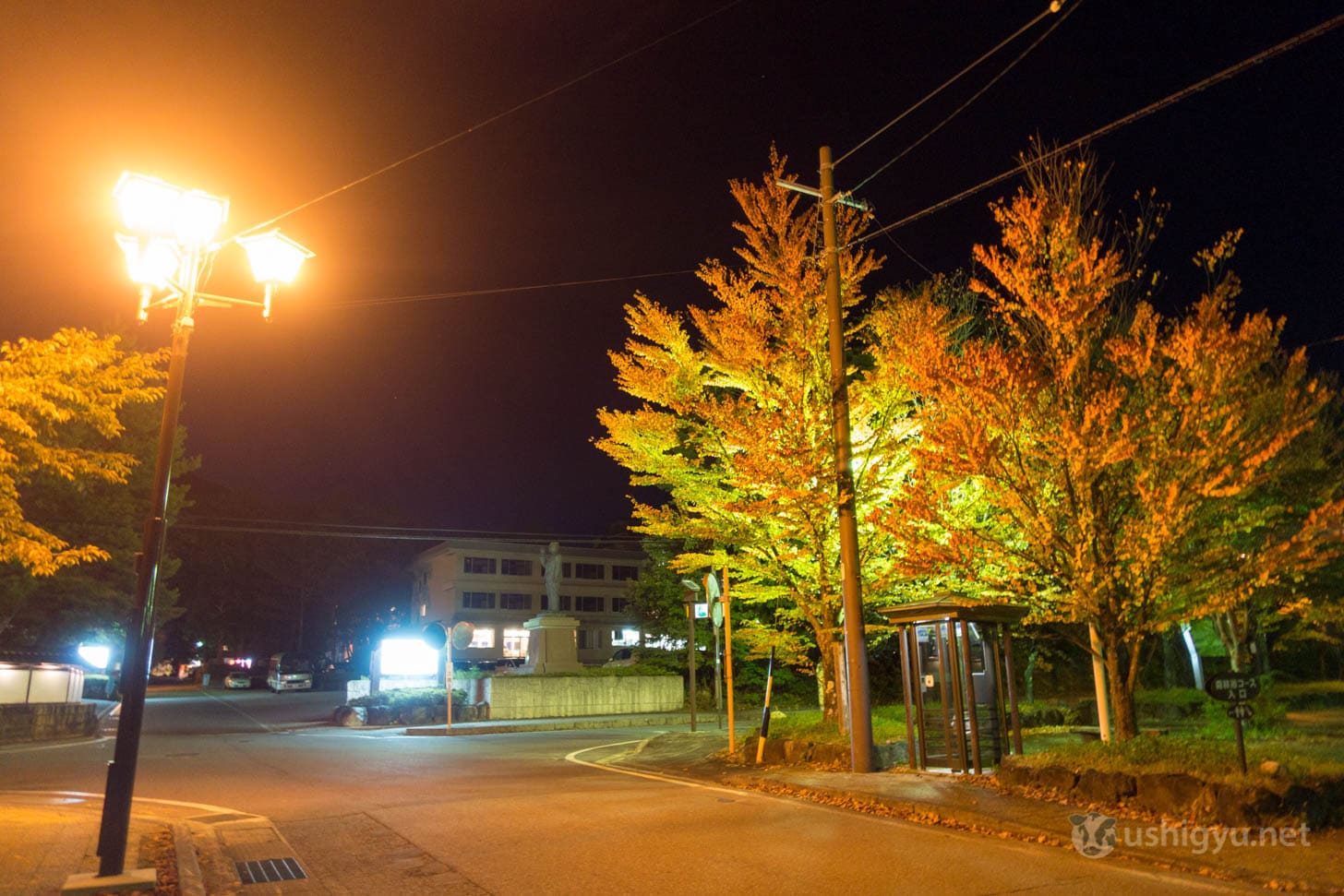
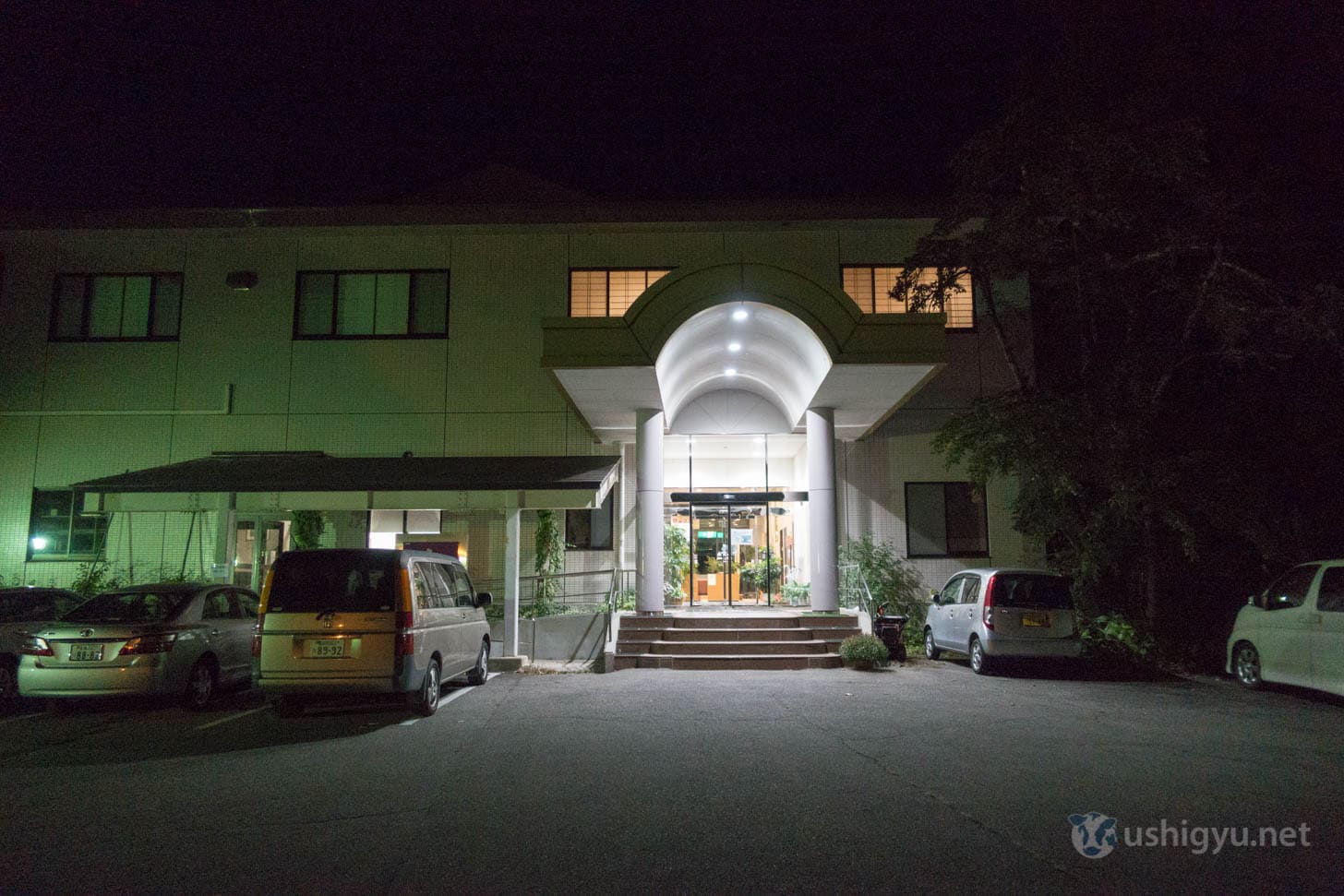
I stayed at the highly-rated Hotel Yume no Yu.
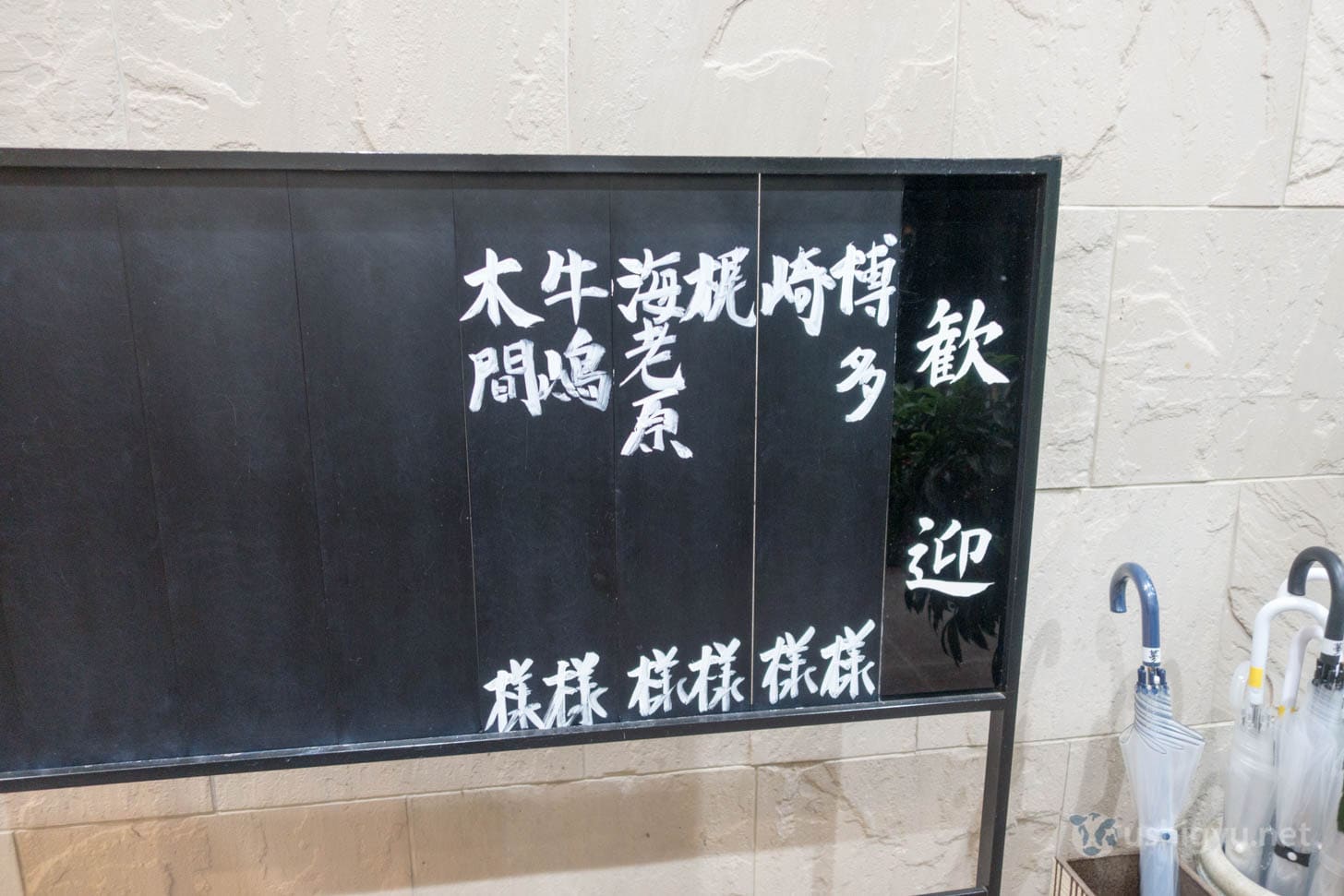
I was momentarily surprised seeing “Hakata” on the reservation, thinking I was booked under my hometown name!
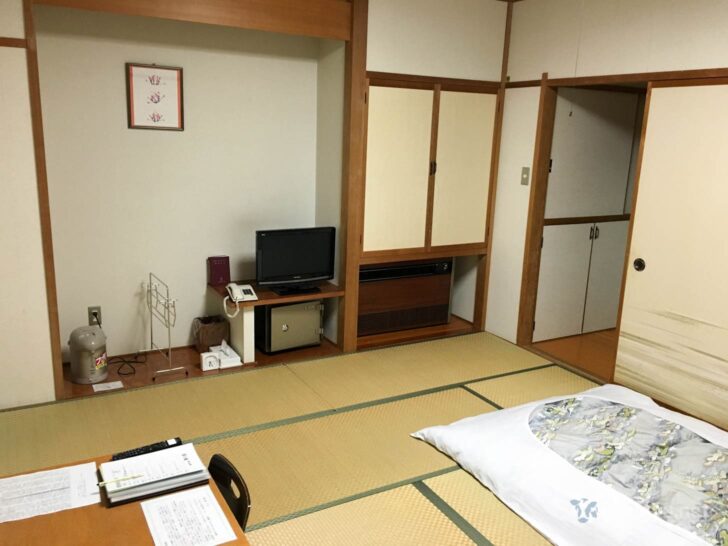
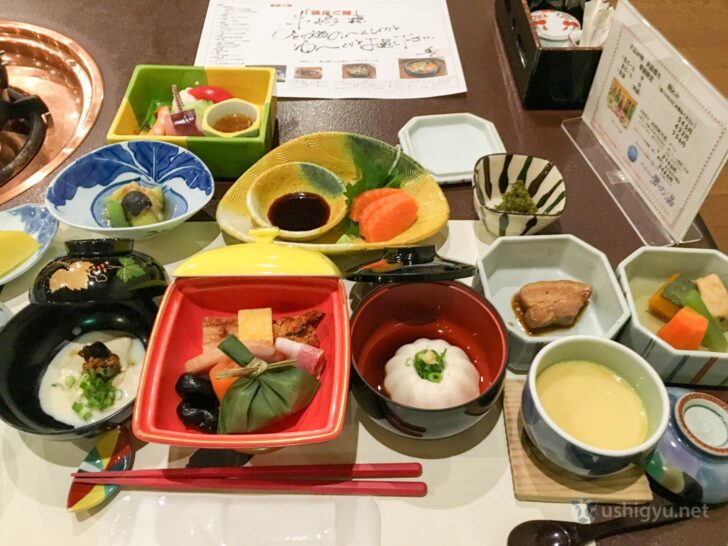
Though I booked an economical plan, I enjoyed delicious meals including sukiyaki and hot springs. After quite a bit of walking, I slept soundly.

Returning to Kurobe Lake – Morning Sunshine Reveals Panoramic Alpine Treasures
The next day, I took a bus again from Omachi Onsen to Ogizawa Station, then a trolley bus to Kurobe Dam.
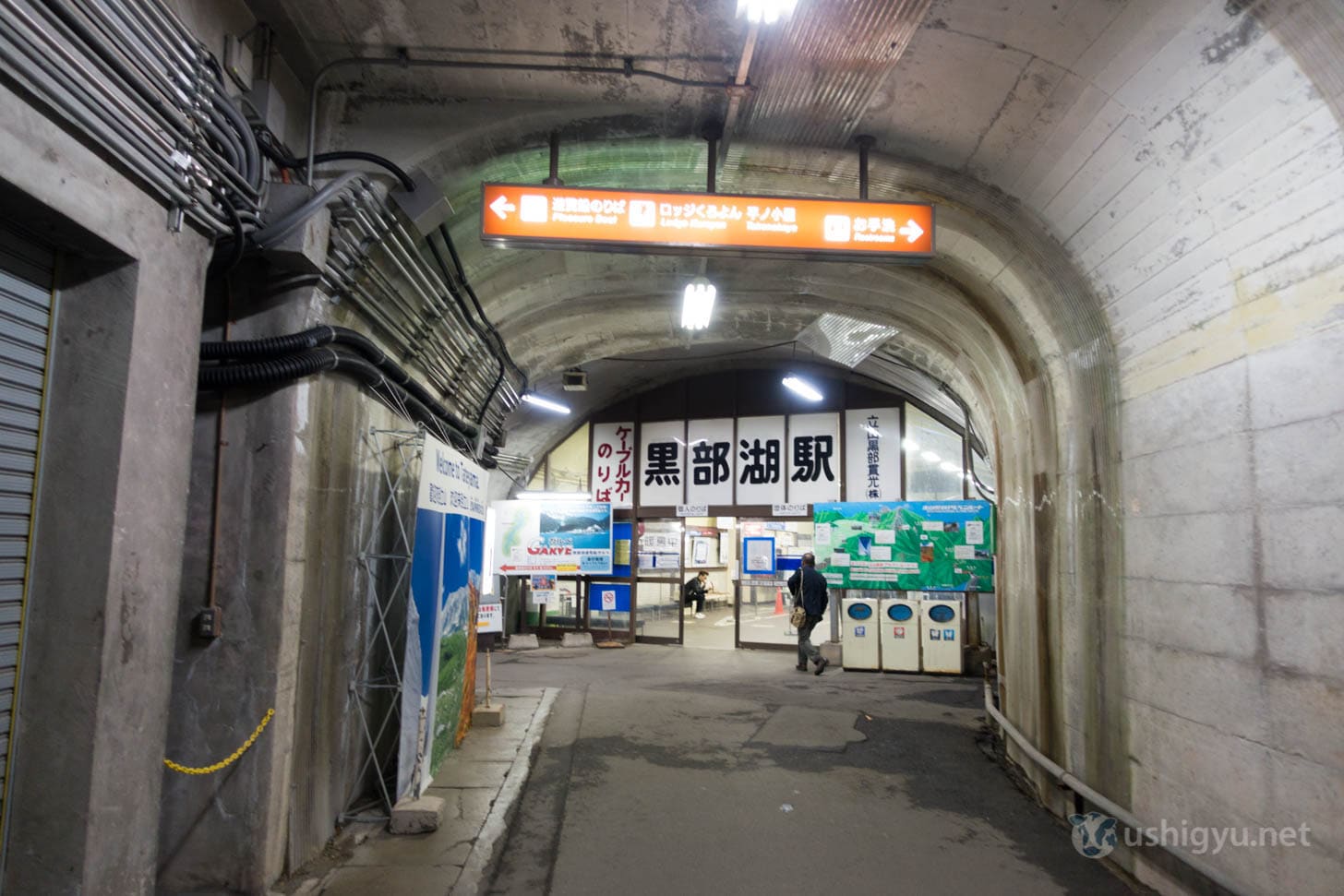
On a sunny morning, Kurobe Dam was nothing short of spectacular. If you’re planning to visit, pay attention not just to the weather, but also to the time of day.

Retracing yesterday’s route in reverse, I next headed to Kurobe Daira. The weather was excellent, and I could take in an unobstructed view of the connected Northern Alps peaks. Absolutely gorgeous!
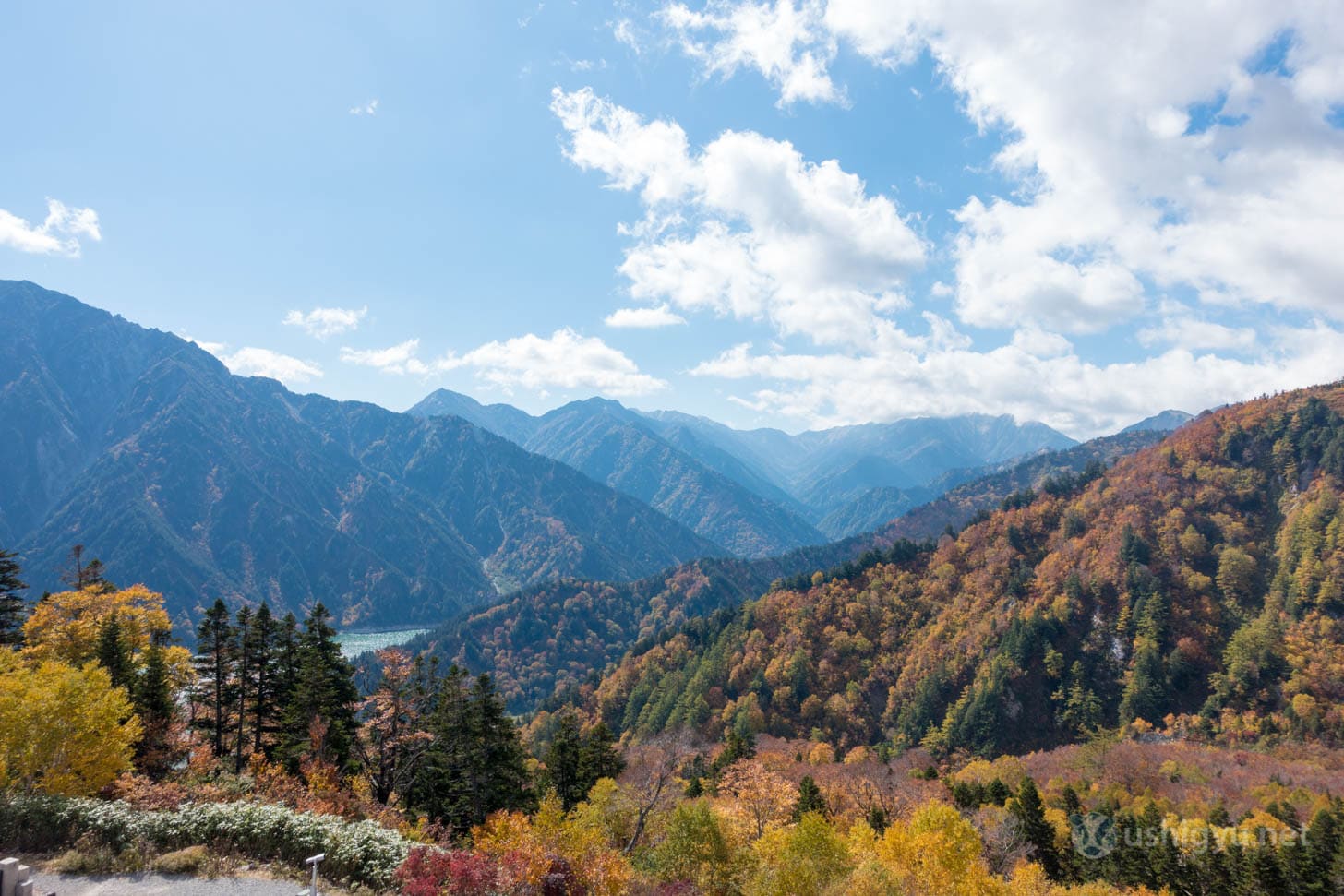
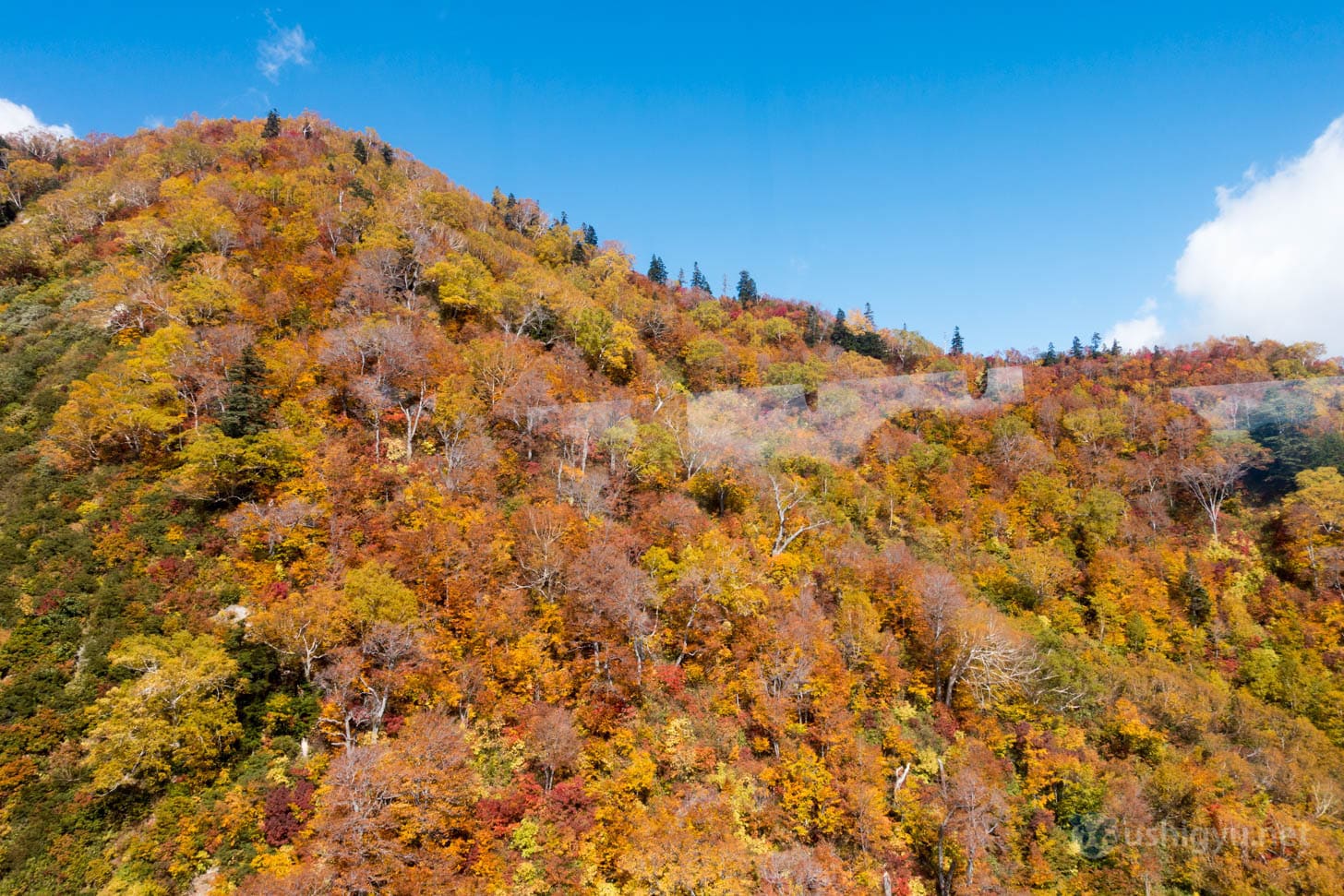
Early October, with foliage just beginning, offers a beautiful gradient of red, yellow, and green.
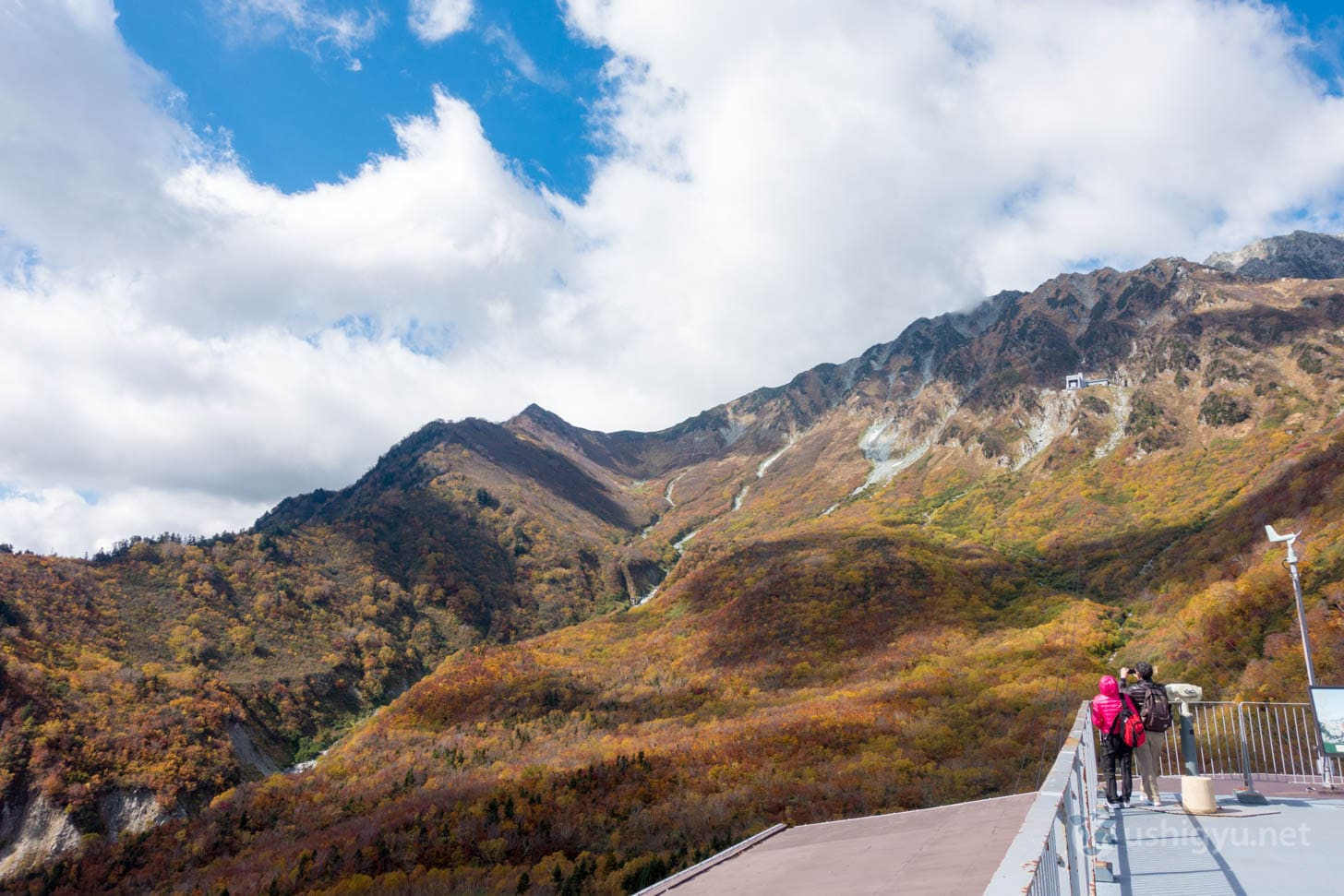
Earlier in the season, everything would be lush green; later, the reds and yellows would be more vivid. It’s a place worth visiting multiple times.
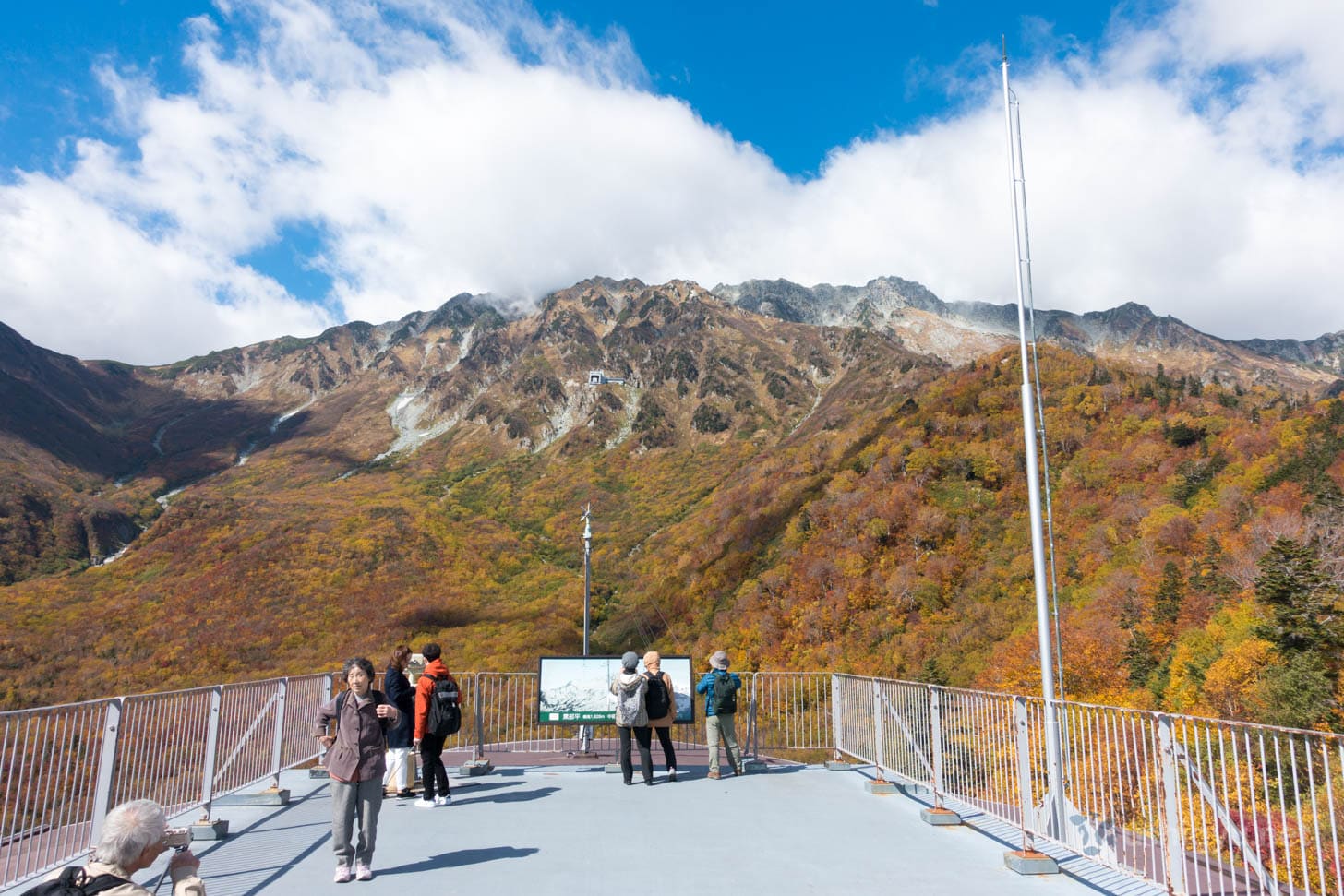
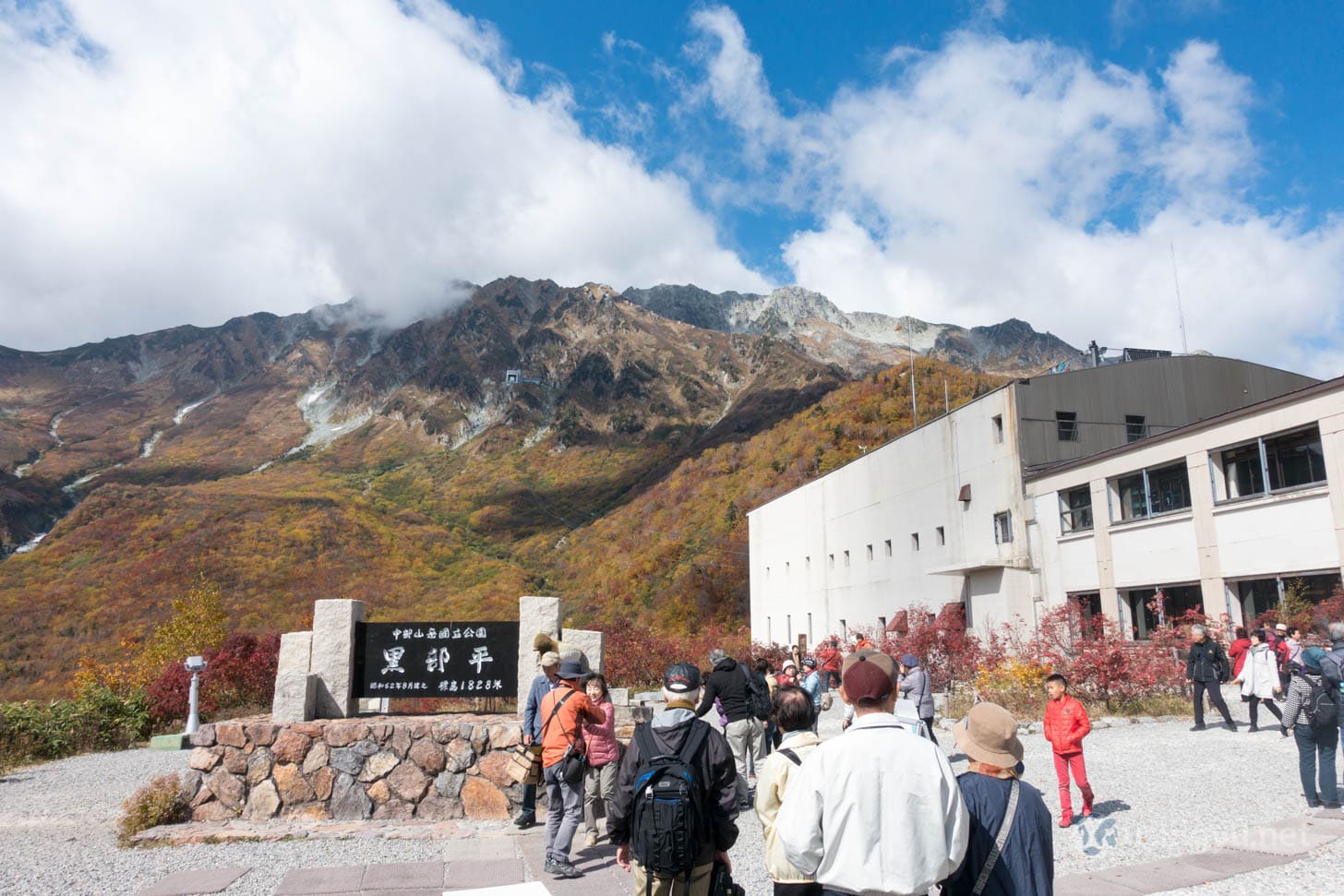
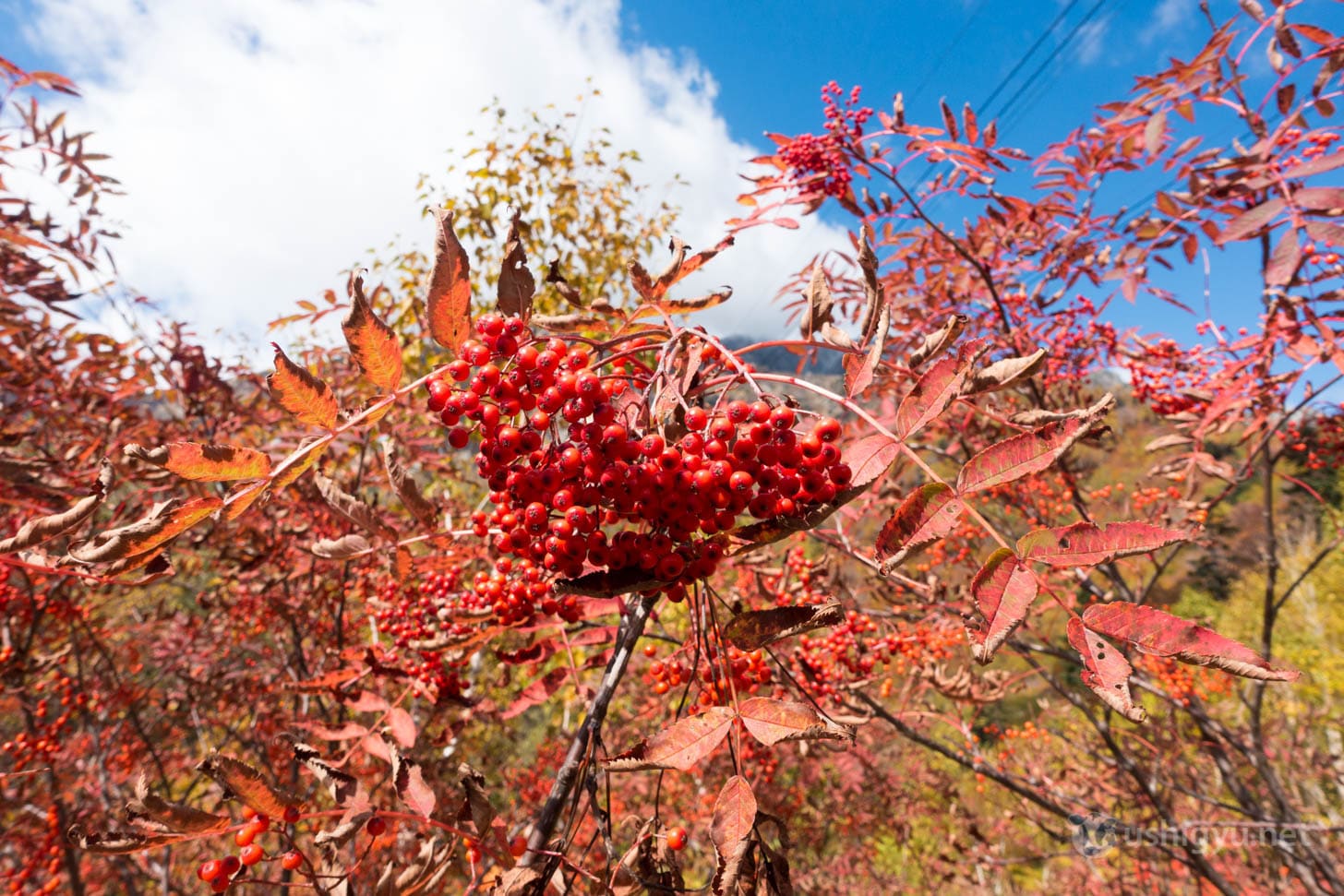
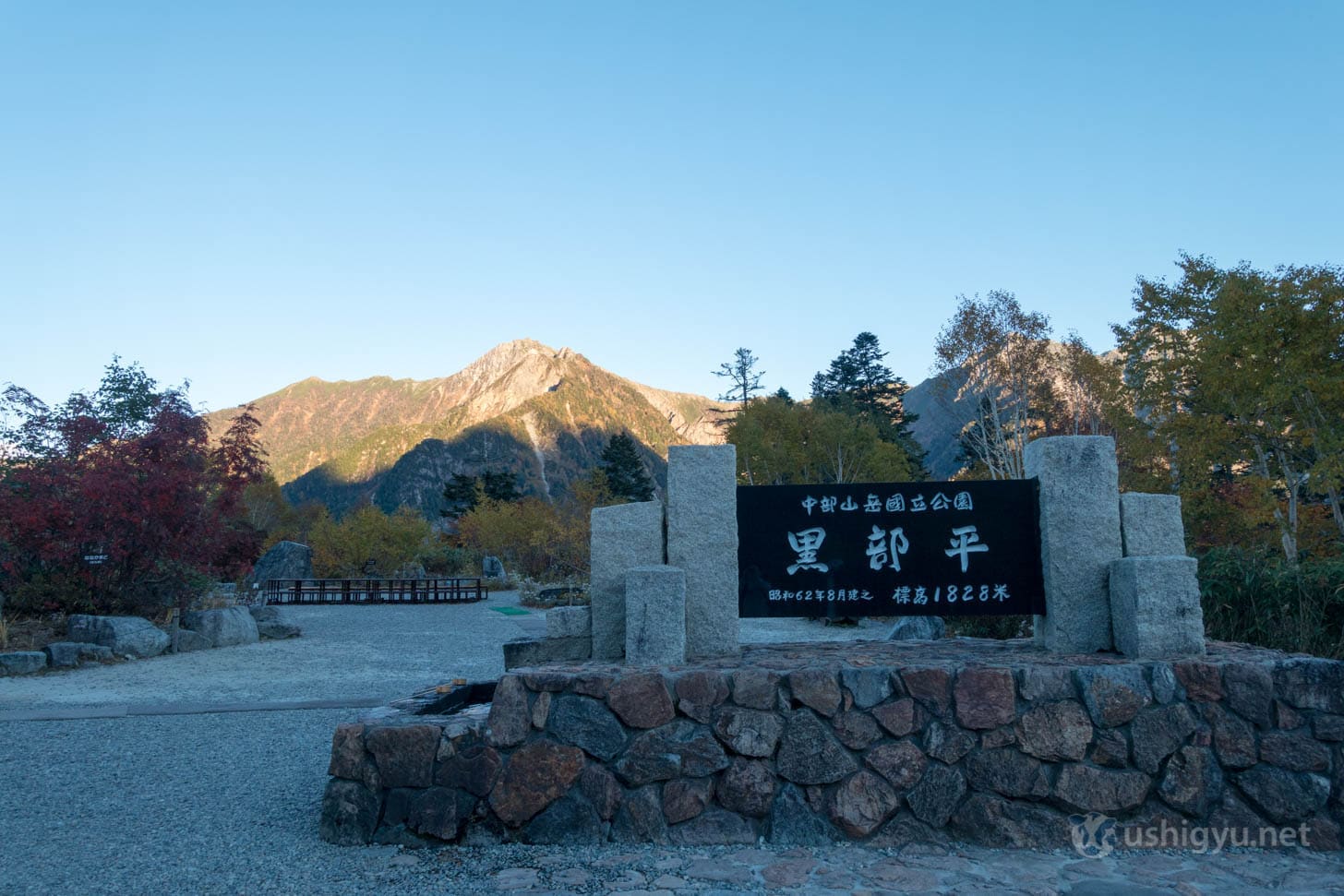
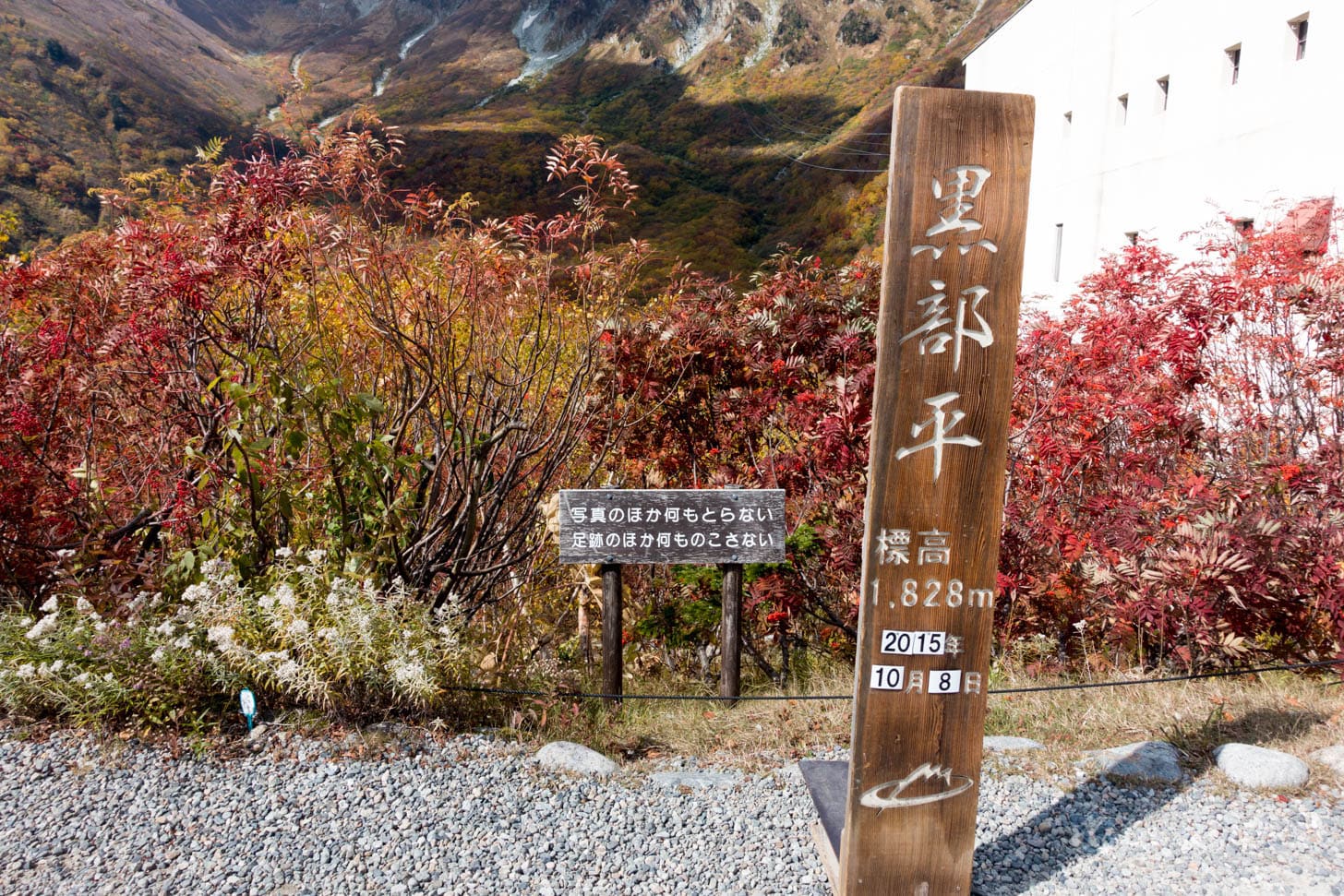
Kurobe Daira sits at 1,828m elevation. The highest peak in Kyushu (excluding islands) is Kujusan in Oita at 1,791m—so this location alone is higher! Truly worthy of the Japanese Alps designation.
The signage read “Take only photographs, leave only footprints,” so I strolled around and captured photos accordingly.
Another charm of Kurobe Daira is viewing the passing ropeway from below.
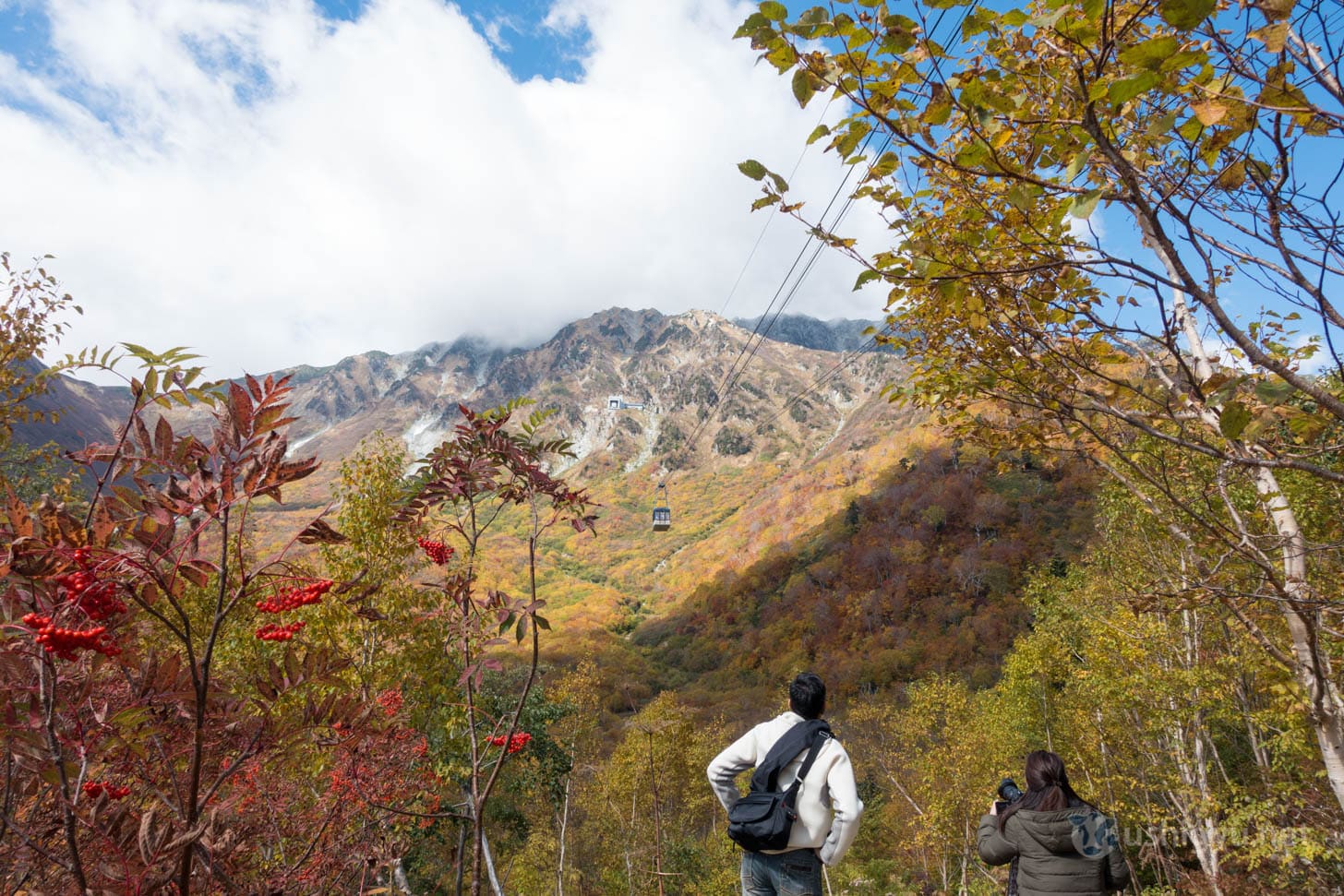
Boarding the ropeway while gazing at autumn mountains, I headed to Daikaenbou.
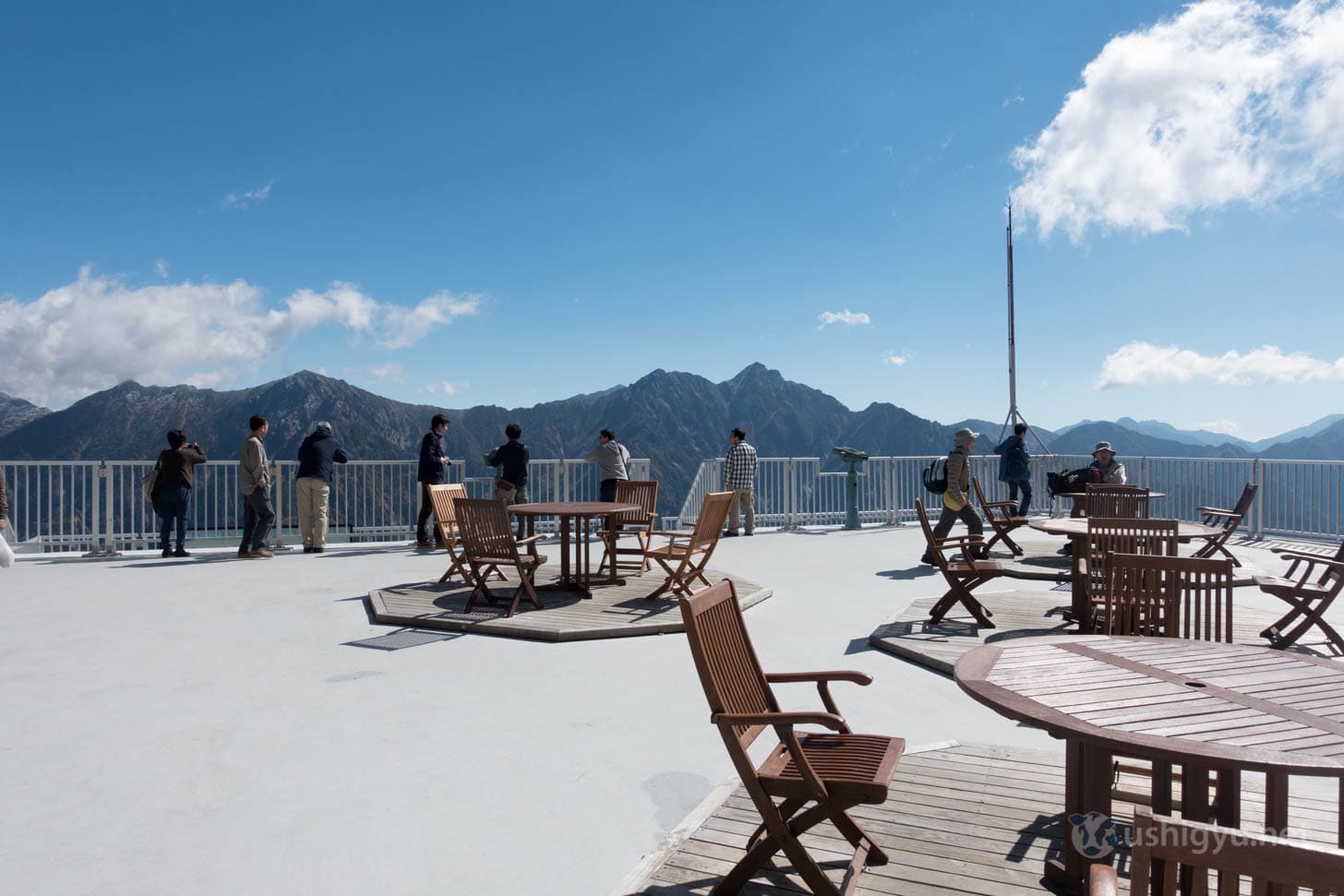
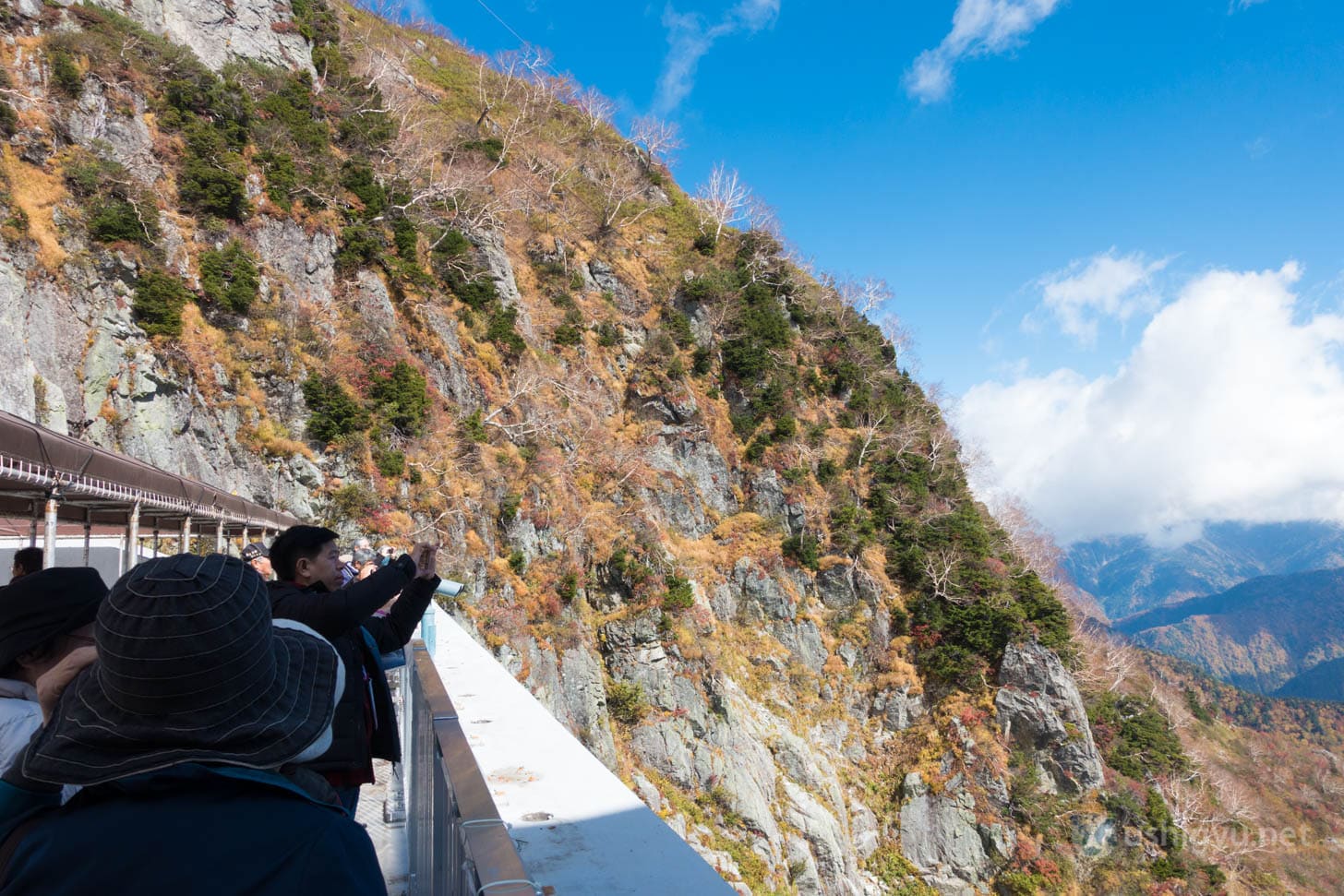
At an even higher elevation of 2,316m, the terrace views here were similarly exceptional.
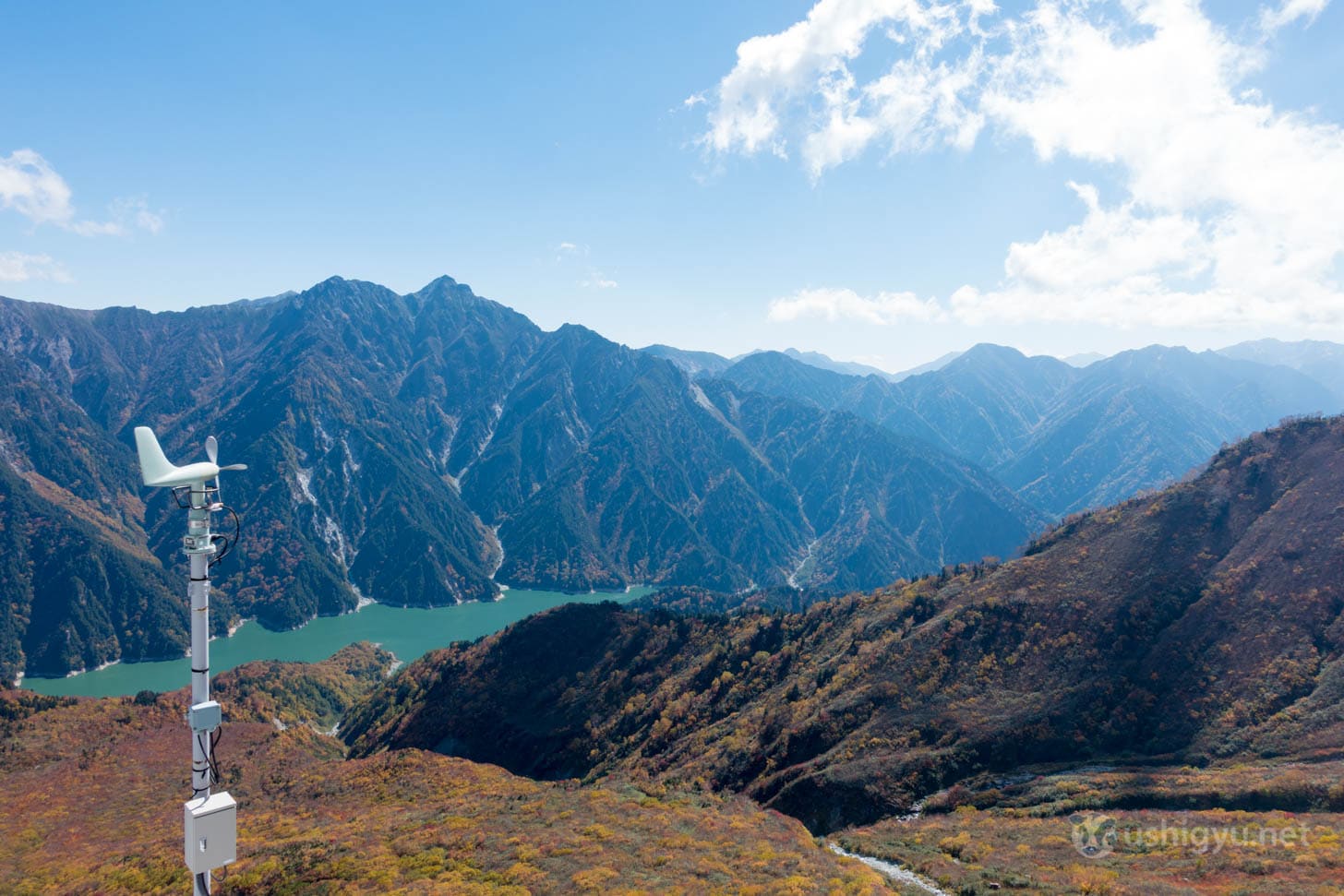
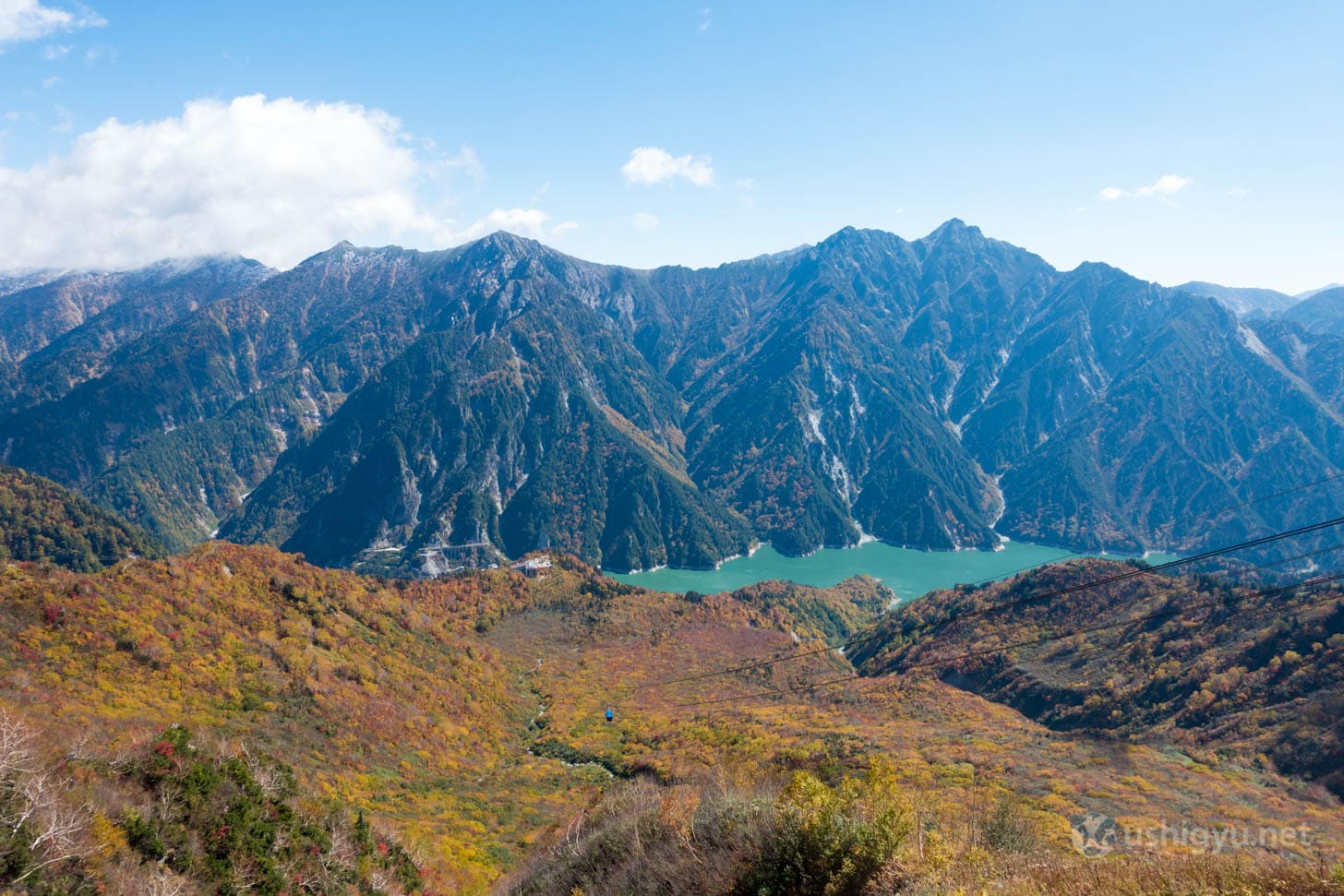
The green visible below is Kurobe Lake. It’s hard to believe this massive lake is man-made.
Steep mountains surround it on all sides.
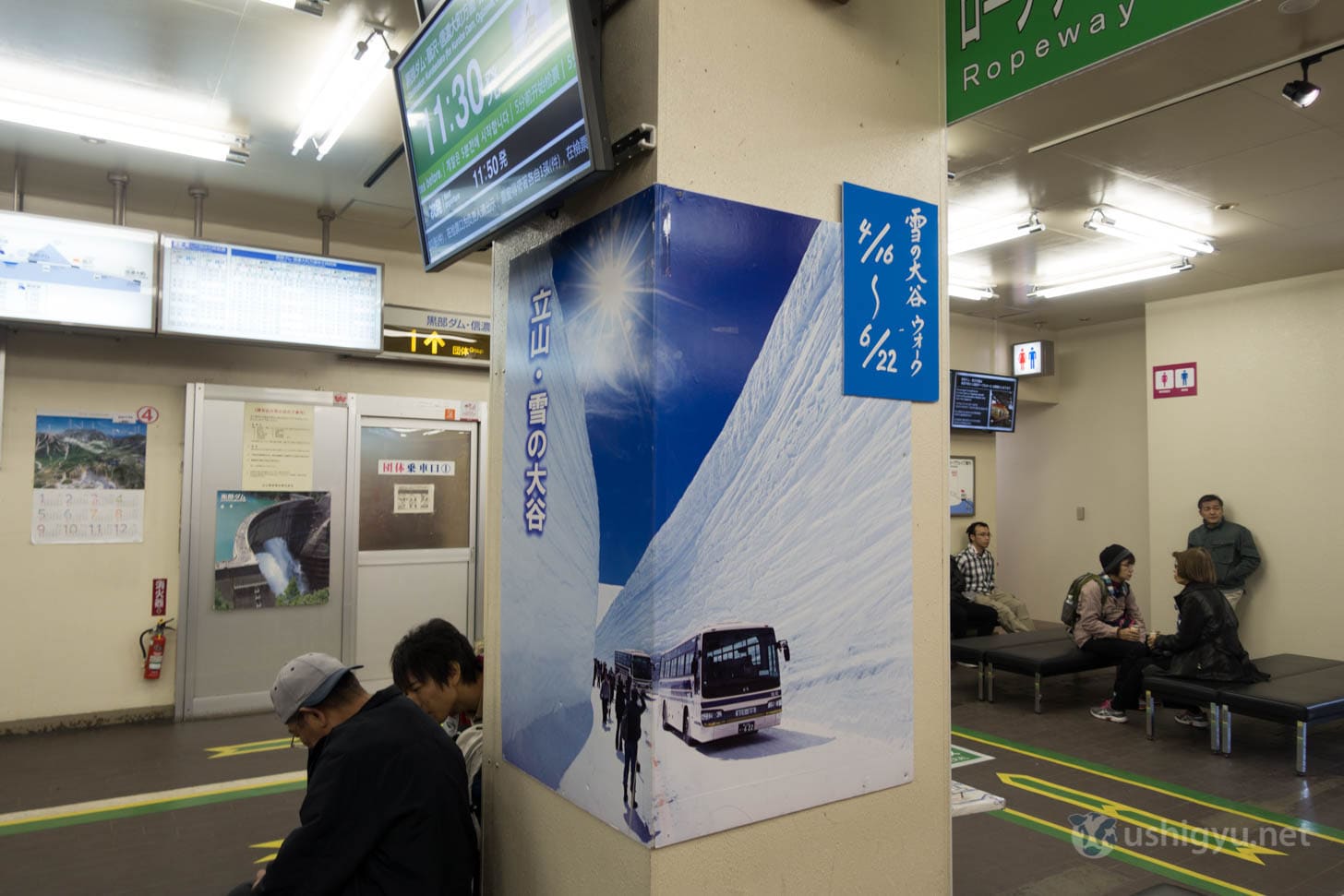
I hadn’t noticed the day before, but there were also photos of the famous “Snow Valley Walk,” visible April through June. This unique experience of walking alongside towering walls of snow is something I’d like to experience someday.
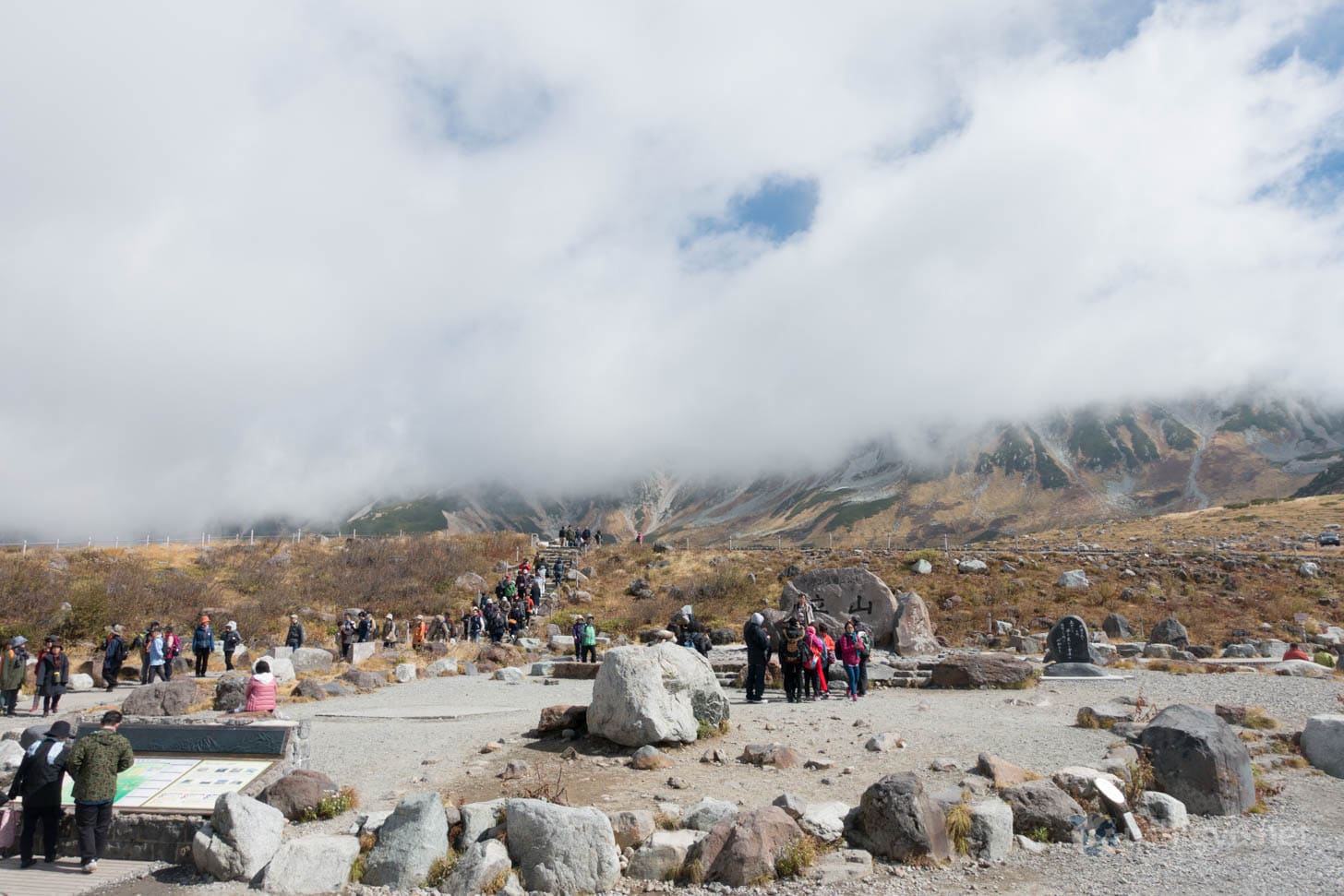
At Murodo, like the previous day, I peeked at the mountain climbing route entrance, but dense fog obscured everything. Mountain weather changes rapidly.
Taking the opportunity, I also visited Midagahara along the route.
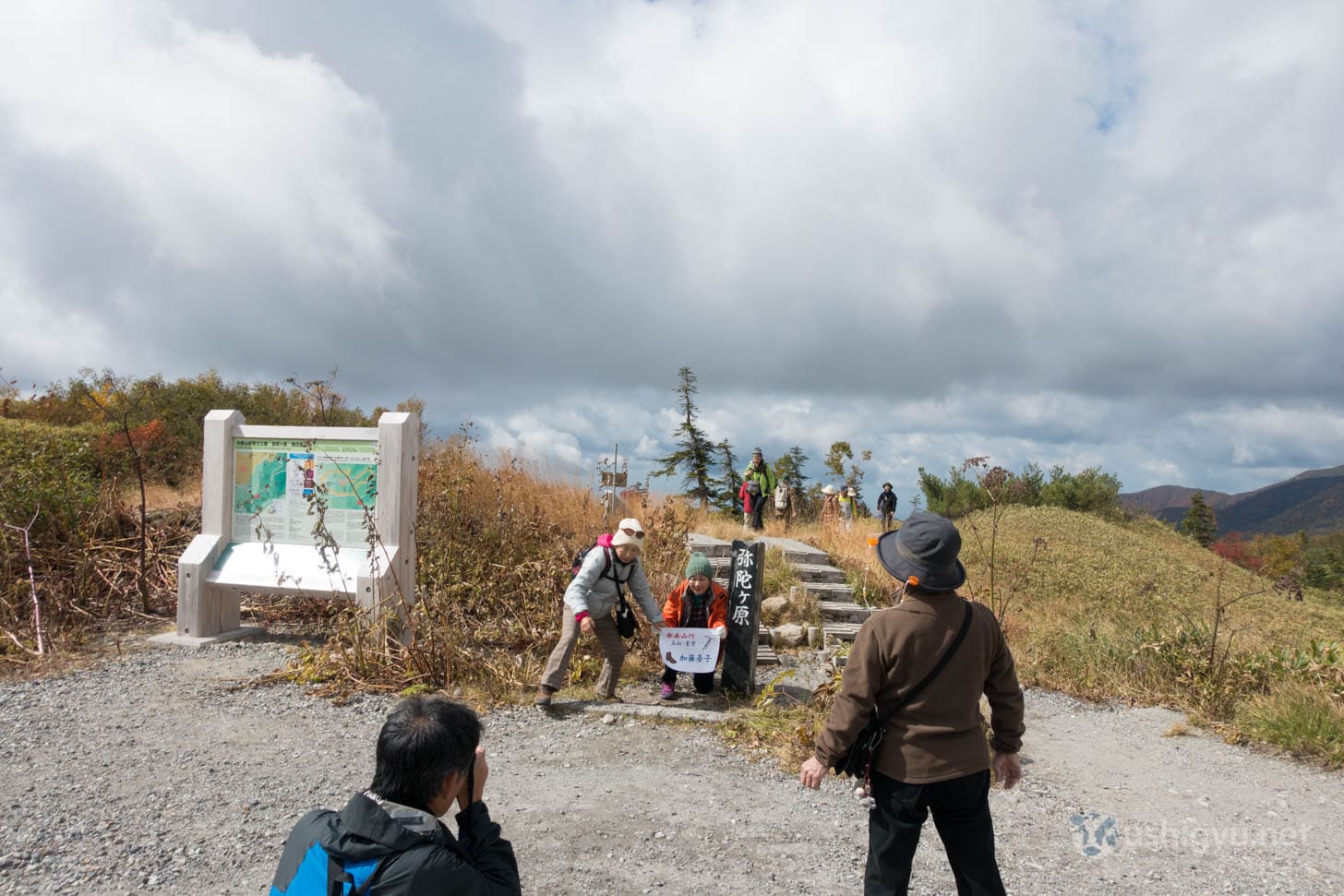
Walking the nature trail alongside well-equipped mountaineers.
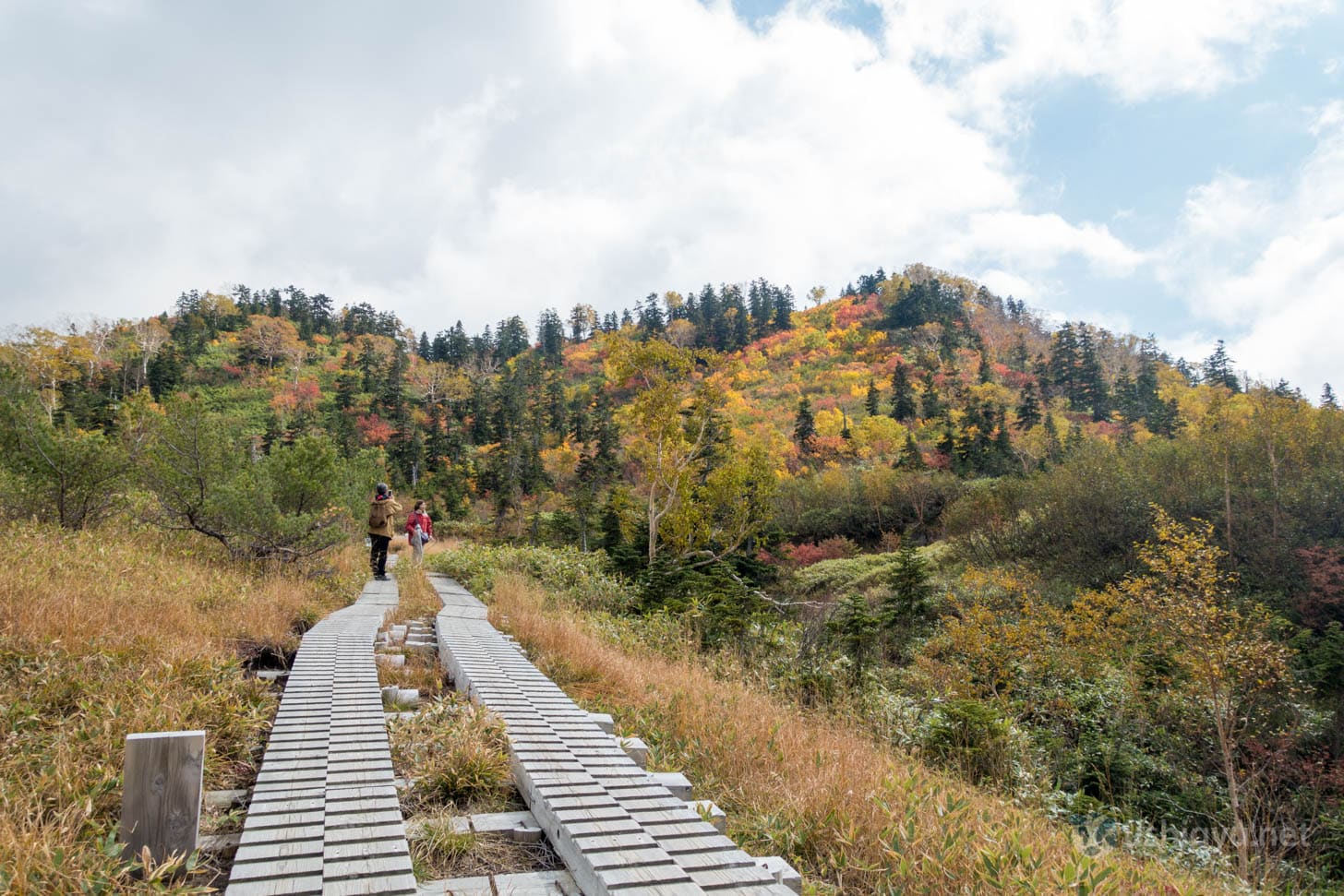
The trail appeared to extend quite far inland, so considering my light equipment and time constraints, I turned back early.
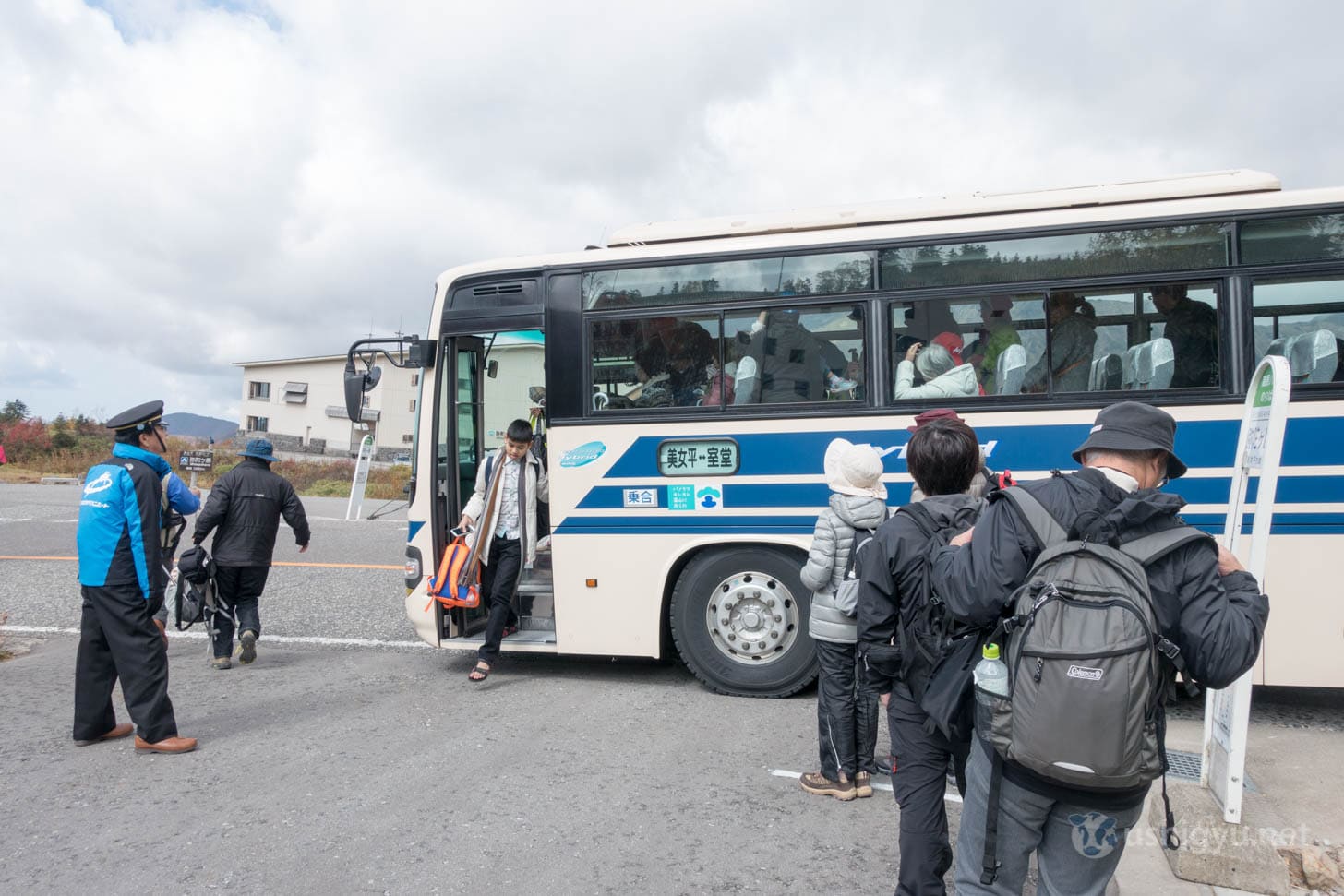
Heading back to Bijodaira.
Finally, via cable car back to Tateyama Station. What a fantastic experience!
Final Thoughts
Majestic nature, humanity’s engineering marvel in the form of a massive dam and artificial lake, enjoyable variety of transportation modes—it was a journey that never grew dull.
Among Japan’s tourist attractions, I believe this is truly one worth visiting. Pick a nice weather day and definitely make the trip!

Comments